


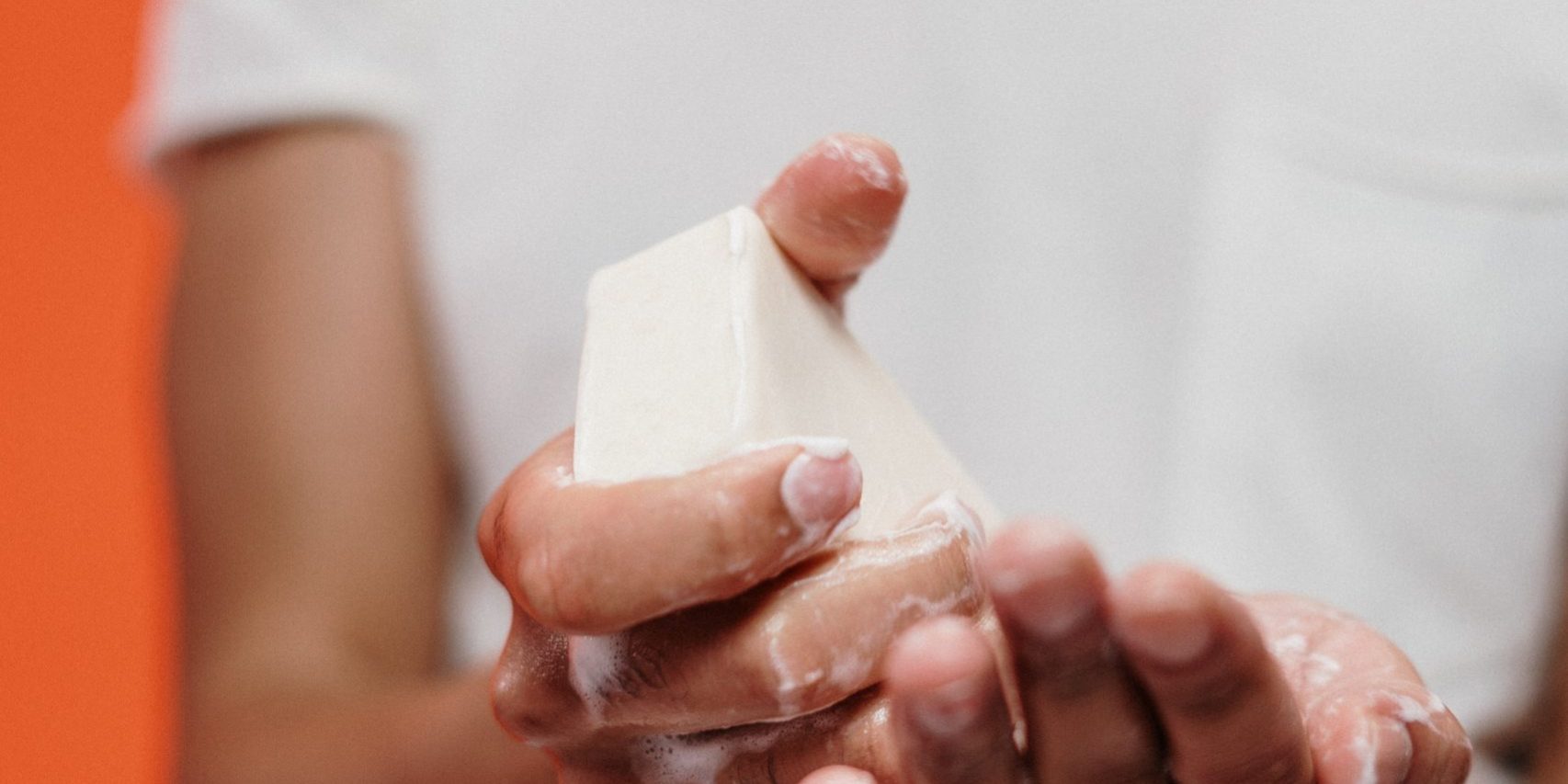
What is the history of hyigiene practices? In the past that kind of rituals were not so common. During Neolithic times, people used to wash themselves and trasport water with leather earthen, shell containers and other objects, boiled on hot stones. In ancien Egypt a lot of people used to bath using jugs full of water, transported by servants to their master’s body. In ancient egyptian tombs there were found perfumes and soap: people usually rubbed themselvers daily after bathing with a mixture of unguent, vegetable oil or animal excerpt. This practise was very useful to protect from drying out in the harsh climate.
Romans built bathouses and considered them as a centre of their social lives, where they used to conspire and organize political plots too. The rich palaces and mansions were connected by pipes to the aqueducts, and washing was a daily ritual with soaps made with olive oli.
Cleaning clothes is another chapter. That is because the practice of cleaning them was not so common in ancient times. Most peopole usually washed clothes with urine, which acted like a sanitiser thanks to ammonia.
During Renaissance, the Black Plague and other contagions produced bathhouses’ death: people thought that, during the bath, skin pores opened and illnesses were able to enter in the organism. For this reason a lot of people didn’t wash themselves: they tried to protect with dirt.
In the Middle Ages the advent of early Christians reduced bath rituals because of the idea of a promiscuous practices during the common experience in the water. Christians wanted to separated themselves from Romans habits. For this reason, wash off dirt and grime was considered a bad habit.
Writers used to warn peopole about correct and hygenical practices, like don’t blow the nose on their hands and not wipe it on the clothes or brush the teeth and the face daily. Rich people required to wash their hands before a meal and they bonded their clothes with sweet smelling roots and boiled them in water to perfume them. That is because before the late 1800s the scents were very useful to cover bad smells.
The first shampoo was introduced by the Bengali entrepreneur Shekh Din Muhammad in 1814: it is demonstrated that the habit of cleanliness was imported from Asia.
Bath ritual is normally a family affair in the lower classes, and a collective affair in upper classes, which involved a lot of servants or slaves. The process was long: first the men, then the women, then the children and the babies. They used the same water in a big tub, with self evident bad hygenic conditions.
The first soap was launched in 1884, it was called Sunlight. Thanks to Industrial Revolution and the birth of microbiological and macrobiological sciences, people changed their mind about hygenical rituals. They are been included to personal and public healthcare in the first half of the 20th century. In 1911, five-and-a-half-millions visitors went to the first International Hygiene Exhibition in Dresden, Germany.