

Skip to content
Kleanoo
The Eco-Network
KleanooKleanoo
  • Compra & VendiIn modo semplice, veloce e sicuro
  • Portale NotizieTecnologie, innovazioni e normative
  • Pronta ConsegnaVeicoli in pronta consegna by Vakoom
  • ContattiHai un dubbio o una domanda?
Chiudi Menu
  • Compra & VendiIn modo semplice, veloce e sicuro
  • Portale NotizieTecnologie, innovazioni e normative
  • Pronta ConsegnaVeicoli in pronta consegna by Vakoom
  • ContattiHai un dubbio o una domanda?

Industrial Decarbonization Pact: accordo tra i settori più energivori in Italia

You are here:
  1. Home
  2. Associazioni
  3. Industrial Decarbonization Pact: accordo tra…
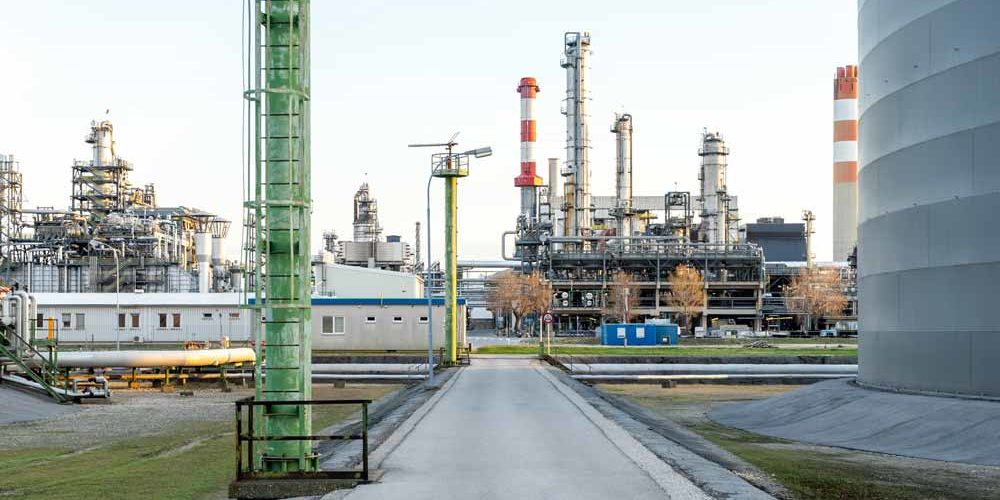
AssociazioniEcologiaingresso di un impianto

La necessità di avviare il percorso di transizione energetica si fa sentire sempre di più, per questo motivo i sette settori più energivori in Italia hanno deciso di siglare il loro impegno attraverso l’Industrial Decarbonization Pact: un accordo che comprende le industrie dei settori dell’acciaio, carta, cemento, ceramica, chimica, fonderie e vetro.

Questi settori hanno un’importanza strategica per il raggiungimento degli obiettivi italiani di decarbonizzazione e degli obiettivi europei previsti dal Green Deal. Si tratta dei settori più importanti in Italia, in quanto ogni anno generano circa 88 miliardi di valore aggiunto, danno lavoro a più di 700 mila persone (sia in modo diretto, sia in modo indiretto) e più della metà del loro fatturato è dovuto alle attività di esportazione.

L’obiettivo dell’accordo è di impegnarsi a decarbonizzare queste filiere, preservando al tempo stesso la competitività sui mercati internazionali. Solamente in questo modo sarà possibile assicurare una transizione ecologia rapida e inclusiva.

In occasione dell’evento, è stato presentato lo studio sulla decarbonizzazione di questi settori, realizzato da Boston Consulting Group, da cui emergono 3 operazioni su cui fare leva per raggiungere gli obiettivi di lungo termine: cattura della CO2, elettrificazione e carburanti green (idrogeno e biometano). Secondo lo studio, infatti, nel 2050 queste tre leve potrebbero garantire una riduzione delle emissioni totali dell’80%, mentre le restanti leve (economia circolare, efficientamento energetico e combustibili low carbon) potrebbero supportare la riduzione della maggior parte delle emissioni rimanenti.

Si tratta di un piano di decarbonizzazione importante, che necessità però di un forte supporto istituzionale al fine di garantire fondi e riforme adeguate, nonché il sostegno a progetti di ricerca e sviluppo.


Redazione Kleanoo
Kleanoo © 2025 — Vietata la riproduzione
Condividi questo articolo
Share on FacebookShare on Facebook Share on XShare on X Share on LinkedInShare on LinkedIn Share on WhatsAppShare on WhatsApp

Leggi anche

bidoni differenziata
Pubblicati i nuovi CAM per i rifiuti urbani
9 August 2022
raccolta carta e cartone
Nuovo record per la raccolta di carta e cartone nel 2021
2 August 2022
trattamento acque reflue
Depurare le acque reflue per produrre idrogeno verde
26 July 2022
digitalizzazione
R.E.N.T.Ri al Waste Management Europe
19 July 2022
silos di acque reflue
Veritas restituisce all’ambiente il 99,6% di acque depurate
14 June 2022
irrigazione in agricoltura
Acque reflue depurate per combattere la siccità
7 June 2022
Ricerca Articoli
Ultime notizie
  • bidoni differenziata
    Pubblicati i nuovi CAM per i rifiuti urbani
    9 August 2022
  • bidoni differenziata
    New MEC for municipal waste
    9 August 2022
  • raccolta carta e cartone
    Nuovo record per la raccolta di carta e cartone nel 2021
    2 August 2022
  • raccolta carta e cartone
    New record for paper and cardboard collection in 2021
    2 August 2022
  • trattamento acque reflue
    Treat wastewater to produce green hydrogen
    26 July 2022
  • trattamento acque reflue
    Treat wastewater to produce green hydrogen
    26 July 2022
  • trattamento acque reflue
    Depurare le acque reflue per produrre idrogeno verde
    26 July 2022
  • trattamento acque reflue
    Treat wastewater to produce green hydrogen
    26 July 2022
  • trattamento acque reflue
    Treat wastewater to produce green hydrogen
    26 July 2022
  • trattamento acque reflue
    Treat wastewater to produce green hydrogen
    26 July 2022

Industrial Decarbonization Pact: agreement between the most energy-intensive sectors in Italy

You are here:
  1. Home
  2. Environment
  3. Industrial Decarbonization Pact: agreement between…
EnvironmentProfessional and Trade Associationsentrance of a plant

The need to start the energy transition process is making itself felt more and more, for this reason the seven most energy-intensive sectors in Italy have decided to sign their commitment through the Industrial Decarbonization Pact: an agreement that includes the industries of the steel, paper, concrete, ceramics, chemicals, foundries and glass.

These sectors are of strategic importance for the achievement of the Italian decarbonization goals and the European goals set by the Green Deal. These are the most important sectors in Italy, as each year they generate about 88 billion of added value, employ more than 700,000 people (both directly and indirectly) and more than half of their turnover is due to export business.

The aim of the agreement is to commit to decarbonizing these supply chains, while at the same time preserving competitiveness on international markets. Only in this way will it be possible to ensure a rapid and inclusive ecological transition.

On the occasion of the event, the study on the decarbonization of these sectors, carried out by Boston Consulting Group, was presented, from which 3 operations to leverage on emerged in order to achieve long-term objectives: CO2 capture, electrification and green fuels (hydrogen and biomethane). According to the study, in fact, in 2050 these three levers could guarantee a reduction in total emissions of 80%, while the remaining levers (circular economy, energy efficiency and low carbon fuels) could support the reduction of most of the remaining emissions.

This is an important decarbonization plan; however, it needs a strong institutional support in order to guarantee adequate funds and reforms, as well as support for research and development projects.

Kleanoo Editorial Staff
Kleanoo © 2025 — Reproduction prohibited
Condividi questo articolo
Share on FacebookShare on Facebook Share on XShare on X Share on LinkedInShare on LinkedIn Share on WhatsAppShare on WhatsApp

Leggi anche

bidoni differenziata
New MEC for municipal waste
9 August 2022
raccolta carta e cartone
New record for paper and cardboard collection in 2021
2 August 2022
trattamento acque reflue
Treat wastewater to produce green hydrogen
26 July 2022
digitalizzazione
R.E.N.T.Ri at Waste Management Europe
19 July 2022
wastewater containers
Veritas returnes 99.6% of purified water to the environment
14 June 2022
irrigazione in agricoltura
Purified wastewater to fight drought
7 June 2022

Industrial Decarbonization Pact: agreement between the most energy-intensive sectors in Italy

You are here:
  1. Home
  2. Associations
  3. Industrial Decarbonization Pact: agreement between…
AssociationsÉcologieingresso di un impianto

The need to start the energy transition process is making itself felt more and more, for this reason the seven most energy-intensive sectors in Italy have decided to sign their commitment through the Industrial Decarbonization Pact: an agreement that includes the industries of the steel, paper, concrete, ceramics, chemicals, foundries and glass.

These sectors are of strategic importance for the achievement of the Italian decarbonization goals and the European goals set by the Green Deal. These are the most important sectors in Italy, as each year they generate about 88 billion of added value, employ more than 700,000 people (both directly and indirectly) and more than half of their turnover is due to export business.

The aim of the agreement is to commit to decarbonizing these supply chains, while at the same time preserving competitiveness on international markets. Only in this way will it be possible to ensure a rapid and inclusive ecological transition.

On the occasion of the event, the study on the decarbonization of these sectors, carried out by Boston Consulting Group, was presented, from which 3 operations to leverage on emerged in order to achieve long-term objectives: CO2 capture, electrification and green fuels (hydrogen and biomethane). According to the study, in fact, in 2050 these three levers could guarantee a reduction in total emissions of 80%, while the remaining levers (circular economy, energy efficiency and low carbon fuels) could support the reduction of most of the remaining emissions.

This is an important decarbonization plan; however, it needs a strong institutional support in order to guarantee adequate funds and reforms, as well as support for research and development projects.

Kleanoo Editorial Staff
Kleanoo © 2025 — Reproduction prohibited
Condividi questo articolo
Share on FacebookShare on Facebook Share on XShare on X Share on LinkedInShare on LinkedIn Share on WhatsAppShare on WhatsApp

Leggi anche

trattamento acque reflue
Treat wastewater to produce green hydrogen
26 July 2022
silos di acque reflue
Veritas returnes 99.6% of purified water to the environment
14 June 2022
irrigazione in agricoltura
Purified wastewater to fight drought
7 June 2022
ladurner equipment full electric
Full electric vehicles of Ladurner Equipment in Naples: waste collection changes
24 May 2022
emissioni industriali
Producing energy from waste: first italian zero-emission biorefinery
17 May 2022
asfalto con impronte di scarpe
Modified asphalts: new life for ELT-recycled rubber
10 May 2022

Industrial Decarbonization Pact: agreement between the most energy-intensive sectors in Italy

You are here:
  1. Home
  2. Ökologie
  3. Industrial Decarbonization Pact: agreement between…
ÖkologieVereineingresso di un impianto

The need to start the energy transition process is making itself felt more and more, for this reason the seven most energy-intensive sectors in Italy have decided to sign their commitment through the Industrial Decarbonization Pact: an agreement that includes the industries of the steel, paper, concrete, ceramics, chemicals, foundries and glass.

These sectors are of strategic importance for the achievement of the Italian decarbonization goals and the European goals set by the Green Deal. These are the most important sectors in Italy, as each year they generate about 88 billion of added value, employ more than 700,000 people (both directly and indirectly) and more than half of their turnover is due to export business.

The aim of the agreement is to commit to decarbonizing these supply chains, while at the same time preserving competitiveness on international markets. Only in this way will it be possible to ensure a rapid and inclusive ecological transition.

On the occasion of the event, the study on the decarbonization of these sectors, carried out by Boston Consulting Group, was presented, from which 3 operations to leverage on emerged in order to achieve long-term objectives: CO2 capture, electrification and green fuels (hydrogen and biomethane). According to the study, in fact, in 2050 these three levers could guarantee a reduction in total emissions of 80%, while the remaining levers (circular economy, energy efficiency and low carbon fuels) could support the reduction of most of the remaining emissions.

This is an important decarbonization plan; however, it needs a strong institutional support in order to guarantee adequate funds and reforms, as well as support for research and development projects.

Kleanoo Editorial Staff
Kleanoo © 2025 — Reproduction prohibited
Condividi questo articolo
Share on FacebookShare on Facebook Share on XShare on X Share on LinkedInShare on LinkedIn Share on WhatsAppShare on WhatsApp

Leggi anche

trattamento acque reflue
Treat wastewater to produce green hydrogen
26 July 2022
silos di acque reflue
Veritas returnes 99.6% of purified water to the environment
14 June 2022
irrigazione in agricoltura
Purified wastewater to fight drought
7 June 2022
ladurner equipment full electric
Full electric vehicles of Ladurner Equipment in Naples: waste collection changes
24 May 2022
emissioni industriali
Producing energy from waste: first italian zero-emission biorefinery
17 May 2022
asfalto con impronte di scarpe
Modified asphalts: new life for ELT-recycled rubber
10 May 2022

Industrial Decarbonization Pact: agreement between the most energy-intensive sectors in Italy

You are here:
  1. Home
  2. Associações Comerciais
  3. Industrial Decarbonization Pact: agreement between…
Associações ComerciaisMeio Ambiente/Sustentabilidadeingresso di un impianto

The need to start the energy transition process is making itself felt more and more, for this reason the seven most energy-intensive sectors in Italy have decided to sign their commitment through the Industrial Decarbonization Pact: an agreement that includes the industries of the steel, paper, concrete, ceramics, chemicals, foundries and glass.

These sectors are of strategic importance for the achievement of the Italian decarbonization goals and the European goals set by the Green Deal. These are the most important sectors in Italy, as each year they generate about 88 billion of added value, employ more than 700,000 people (both directly and indirectly) and more than half of their turnover is due to export business.

The aim of the agreement is to commit to decarbonizing these supply chains, while at the same time preserving competitiveness on international markets. Only in this way will it be possible to ensure a rapid and inclusive ecological transition.

On the occasion of the event, the study on the decarbonization of these sectors, carried out by Boston Consulting Group, was presented, from which 3 operations to leverage on emerged in order to achieve long-term objectives: CO2 capture, electrification and green fuels (hydrogen and biomethane). According to the study, in fact, in 2050 these three levers could guarantee a reduction in total emissions of 80%, while the remaining levers (circular economy, energy efficiency and low carbon fuels) could support the reduction of most of the remaining emissions.

This is an important decarbonization plan; however, it needs a strong institutional support in order to guarantee adequate funds and reforms, as well as support for research and development projects.

Kleanoo Editorial Staff
Kleanoo © 2025 — Reproduction prohibited
Condividi questo articolo
Share on FacebookShare on Facebook Share on XShare on X Share on LinkedInShare on LinkedIn Share on WhatsAppShare on WhatsApp

Leggi anche

trattamento acque reflue
Treat wastewater to produce green hydrogen
26 July 2022
silos di acque reflue
Veritas returnes 99.6% of purified water to the environment
14 June 2022
irrigazione in agricoltura
Purified wastewater to fight drought
7 June 2022
ladurner equipment full electric
Full electric vehicles of Ladurner Equipment in Naples: waste collection changes
24 May 2022
emissioni industriali
Producing energy from waste: first italian zero-emission biorefinery
17 May 2022
asfalto con impronte di scarpe
Modified asphalts: new life for ELT-recycled rubber
10 May 2022

Industrial Decarbonization Pact: agreement between the most energy-intensive sectors in Italy

You are here:
  1. Home
  2. Asociaciones
  3. Industrial Decarbonization Pact: agreement between…
AsociacionesEcologíaingresso di un impianto

The need to start the energy transition process is making itself felt more and more, for this reason the seven most energy-intensive sectors in Italy have decided to sign their commitment through the Industrial Decarbonization Pact: an agreement that includes the industries of the steel, paper, concrete, ceramics, chemicals, foundries and glass.

These sectors are of strategic importance for the achievement of the Italian decarbonization goals and the European goals set by the Green Deal. These are the most important sectors in Italy, as each year they generate about 88 billion of added value, employ more than 700,000 people (both directly and indirectly) and more than half of their turnover is due to export business.

The aim of the agreement is to commit to decarbonizing these supply chains, while at the same time preserving competitiveness on international markets. Only in this way will it be possible to ensure a rapid and inclusive ecological transition.

On the occasion of the event, the study on the decarbonization of these sectors, carried out by Boston Consulting Group, was presented, from which 3 operations to leverage on emerged in order to achieve long-term objectives: CO2 capture, electrification and green fuels (hydrogen and biomethane). According to the study, in fact, in 2050 these three levers could guarantee a reduction in total emissions of 80%, while the remaining levers (circular economy, energy efficiency and low carbon fuels) could support the reduction of most of the remaining emissions.

This is an important decarbonization plan; however, it needs a strong institutional support in order to guarantee adequate funds and reforms, as well as support for research and development projects.

Kleanoo Editorial Staff
Kleanoo © 2025 — Reproduction prohibited
Condividi questo articolo
Share on FacebookShare on Facebook Share on XShare on X Share on LinkedInShare on LinkedIn Share on WhatsAppShare on WhatsApp

Leggi anche

trattamento acque reflue
Treat wastewater to produce green hydrogen
26 July 2022
silos di acque reflue
Veritas returnes 99.6% of purified water to the environment
14 June 2022
irrigazione in agricoltura
Purified wastewater to fight drought
7 June 2022
ladurner equipment full electric
Full electric vehicles of Ladurner Equipment in Naples: waste collection changes
24 May 2022
emissioni industriali
Producing energy from waste: first italian zero-emission biorefinery
17 May 2022
asfalto con impronte di scarpe
Modified asphalts: new life for ELT-recycled rubber
10 May 2022
Informazioni di Contatto
Utilizza i recapiti sottostanti per poterti mettere in contatto con un membro del nostro team. In alternativa puoi compilare il form per inviarci un messaggio.
  • Indirizzo
    Via Marco Beato Ongaro 11
    31015 Conegliano (TV)
  • Telefono
    +39 353 439 9515
    +39 0438 1963696
  • E-mail
    info@kleanoo.com

    Kleanoo
    Kleanoo © 2025
    Kleanoo è un marchio registrato di Vakoom Srl
    Partita IVA: IT 03945270266
    Site design by ADMP
    • Privacy Policy
    • Cookie Policy
    Menu Footer

    Go to Top