

Skip to content
Kleanoo
The Eco-Network
KleanooKleanoo
  • Compra & VendiIn modo semplice, veloce e sicuro
  • Portale NotizieTecnologie, innovazioni e normative
  • Pronta ConsegnaVeicoli in pronta consegna by Vakoom
  • ContattiHai un dubbio o una domanda?
Chiudi Menu
  • Compra & VendiIn modo semplice, veloce e sicuro
  • Portale NotizieTecnologie, innovazioni e normative
  • Pronta ConsegnaVeicoli in pronta consegna by Vakoom
  • ContattiHai un dubbio o una domanda?

DIVINA: progetto per ridurre le emissioni nell’industria del vetro

You are here:
  1. Home
  2. Associazioni
  3. DIVINA: progetto per ridurre le…
AssociazioniEcologiaTecnologiafusione del vetro

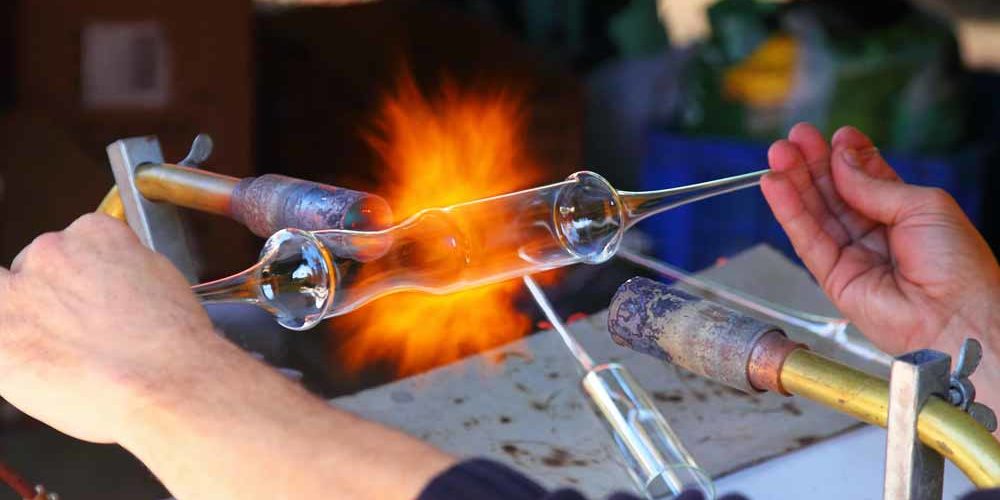
È stato avviato il progetto “Divina” (Decarbonizzazione dell’Industria Vetraria: Idrogeno e Nuovi Assetti), il cui obiettivo è di dimezzare le emissioni di questo settore. Il progetto è promosso da un gruppo interamente italiano, il quale ha dato vita ad una collaborazione in un settore estremamente energivoro allo scopo di ridurre le emissioni nella fase di fusione del vetro, che rappresenta più del 50% del consumo energetico complessivo di tutto il processo di produzione.

In quest’ambito, l’impiego dell’idrogeno può rappresentare una soluzione valida se si ottimizza l’uso in termini energetici ed emissivi e se si gestiscono le sfide legate alla produzione e al trasporto.

Tramite questa iniziativa sarà possibile valutare, nel breve e lungo periodo, il risultato dell’introduzione di una percentuale crescente d’idrogeno miscelato al gas naturale in forni fusori esistenti e in regolare regime di produzione. Sarà possibile, inoltre, verificare la compatibilità della combustione a base d’idrogeno mescolato al gas naturale in contesti di produzione industriale.

Attualmente, in seguito all’utilizzo del gas naturale, le emissioni di CO2 si attestano a circa 1.500.000 tonnellate annue. Utilizzando, invece, una miscela con il 30% d’idrogeno, le emissioni diminuirebbero di 200.000 tonnellate.

Nell’ambito del progetto, vi è anche la progettazione dei futuri “Forni 4.0”, i quali saranno in grado di fornire prestazioni migliori con percentuali di idrogeno maggiori, fino ad arrivare al 100% di idrogeno.


Redazione Kleanoo
Kleanoo © 2025 — Vietata la riproduzione
Condividi questo articolo
Share on FacebookShare on Facebook Share on XShare on X Share on LinkedInShare on LinkedIn Share on WhatsAppShare on WhatsApp

Leggi anche

bidoni differenziata
Pubblicati i nuovi CAM per i rifiuti urbani
9 August 2022
raccolta carta e cartone
Nuovo record per la raccolta di carta e cartone nel 2021
2 August 2022
trattamento acque reflue
Depurare le acque reflue per produrre idrogeno verde
26 July 2022
digitalizzazione
R.E.N.T.Ri al Waste Management Europe
19 July 2022
impianto depurazione reflui
Soluzioni digitali per il ciclo dell’acqua
12 July 2022
eeconic mercedes benz
IFAT 2022: presentato l’eEconic di Mercedes
28 June 2022
Ricerca Articoli
Ultime notizie
  • bidoni differenziata
    Pubblicati i nuovi CAM per i rifiuti urbani
    9 August 2022
  • bidoni differenziata
    New MEC for municipal waste
    9 August 2022
  • raccolta carta e cartone
    Nuovo record per la raccolta di carta e cartone nel 2021
    2 August 2022
  • raccolta carta e cartone
    New record for paper and cardboard collection in 2021
    2 August 2022
  • trattamento acque reflue
    Treat wastewater to produce green hydrogen
    26 July 2022
  • trattamento acque reflue
    Treat wastewater to produce green hydrogen
    26 July 2022
  • trattamento acque reflue
    Depurare le acque reflue per produrre idrogeno verde
    26 July 2022
  • trattamento acque reflue
    Treat wastewater to produce green hydrogen
    26 July 2022
  • trattamento acque reflue
    Treat wastewater to produce green hydrogen
    26 July 2022
  • trattamento acque reflue
    Treat wastewater to produce green hydrogen
    26 July 2022

DIVINA: project to reduce emissions in the glass industry

You are here:
  1. Home
  2. Environment
  3. DIVINA: project to reduce emissions…
EnvironmentProfessional and Trade AssociationsTechnologyglass melting phase

The “Divina” project (Decarbonization of the Glass Industry: Hydrogen and New Assets) was recently launched, with the aim to halve the emissions of this sector. The project is promoted by an entirely Italian group, which has created a collaboration in an extremely energy-intensive sector in order to reduce emissions in the glass melting phase, which represents more than 50% of the total energy consumption of the entire process of production.

In this context, the use of hydrogen can be a viable solution if the use is optimized in terms of energy and emissions and if the challenges related to production and transport are well managed.

Through this initiative it will be possible to evaluate, in the short and long term, the result of the introduction of an increasing percentage of hydrogen mixed with natural gas in existing melting furnaces and in regular production conditions. It will also be possible to verify the compatibility of hydrogen-based combustion mixed with natural gas in industrial production contexts.

Currently, following the use of natural gas, CO2 emissions are around 1,500,000 tons per year. However, by using a mixture of 30% hydrogen, emissions would decrease by 200,000 tons.

As part of the project, there is also the design of the future “Furnaces 4.0”, which will be able to provide better performance with higher percentages of hydrogen, up to 100% hydrogen.

Kleanoo Editorial Staff
Kleanoo © 2025 — Reproduction prohibited
Condividi questo articolo
Share on FacebookShare on Facebook Share on XShare on X Share on LinkedInShare on LinkedIn Share on WhatsAppShare on WhatsApp

Leggi anche

bidoni differenziata
New MEC for municipal waste
9 August 2022
raccolta carta e cartone
New record for paper and cardboard collection in 2021
2 August 2022
trattamento acque reflue
Treat wastewater to produce green hydrogen
26 July 2022
digitalizzazione
R.E.N.T.Ri at Waste Management Europe
19 July 2022
impianto depurazione reflui
Digital solutions for the water cycle
12 July 2022
eeconic mercedes benz
IFAT 2022: Mercedes’ eEconic unveiled
28 June 2022

DIVINA: project to reduce emissions in the glass industry

You are here:
  1. Home
  2. Associations
  3. DIVINA: project to reduce emissions…
AssociationsÉcologieTechnologiefusione del vetro

The “Divina” project (Decarbonization of the Glass Industry: Hydrogen and New Assets) was recently launched, with the aim to halve the emissions of this sector. The project is promoted by an entirely Italian group, which has created a collaboration in an extremely energy-intensive sector in order to reduce emissions in the glass melting phase, which represents more than 50% of the total energy consumption of the entire process of production.

In this context, the use of hydrogen can be a viable solution if the use is optimized in terms of energy and emissions and if the challenges related to production and transport are well managed.

Through this initiative it will be possible to evaluate, in the short and long term, the result of the introduction of an increasing percentage of hydrogen mixed with natural gas in existing melting furnaces and in regular production conditions. It will also be possible to verify the compatibility of hydrogen-based combustion mixed with natural gas in industrial production contexts.

Currently, following the use of natural gas, CO2 emissions are around 1,500,000 tons per year. However, by using a mixture of 30% hydrogen, emissions would decrease by 200,000 tons.

As part of the project, there is also the design of the future “Furnaces 4.0”, which will be able to provide better performance with higher percentages of hydrogen, up to 100% hydrogen.

Kleanoo Editorial Staff
Kleanoo © 2025 — Reproduction prohibited
Condividi questo articolo
Share on FacebookShare on Facebook Share on XShare on X Share on LinkedInShare on LinkedIn Share on WhatsAppShare on WhatsApp

Leggi anche

trattamento acque reflue
Treat wastewater to produce green hydrogen
26 July 2022
impianto depurazione reflui
Digital solutions for the water cycle
12 July 2022
eeconic mercedes benz
IFAT 2022: Mercedes’ eEconic unveiled
28 June 2022
raccolta differenziata carta e cartone
India supports the development of technological solutions for waste management
21 June 2022
silos di acque reflue
Veritas returnes 99.6% of purified water to the environment
14 June 2022
irrigazione in agricoltura
Purified wastewater to fight drought
7 June 2022

DIVINA: project to reduce emissions in the glass industry

You are here:
  1. Home
  2. Ökologie
  3. DIVINA: project to reduce emissions…
ÖkologieTechnologieVereinefusione del vetro

The “Divina” project (Decarbonization of the Glass Industry: Hydrogen and New Assets) was recently launched, with the aim to halve the emissions of this sector. The project is promoted by an entirely Italian group, which has created a collaboration in an extremely energy-intensive sector in order to reduce emissions in the glass melting phase, which represents more than 50% of the total energy consumption of the entire process of production.

In this context, the use of hydrogen can be a viable solution if the use is optimized in terms of energy and emissions and if the challenges related to production and transport are well managed.

Through this initiative it will be possible to evaluate, in the short and long term, the result of the introduction of an increasing percentage of hydrogen mixed with natural gas in existing melting furnaces and in regular production conditions. It will also be possible to verify the compatibility of hydrogen-based combustion mixed with natural gas in industrial production contexts.

Currently, following the use of natural gas, CO2 emissions are around 1,500,000 tons per year. However, by using a mixture of 30% hydrogen, emissions would decrease by 200,000 tons.

As part of the project, there is also the design of the future “Furnaces 4.0”, which will be able to provide better performance with higher percentages of hydrogen, up to 100% hydrogen.

Kleanoo Editorial Staff
Kleanoo © 2025 — Reproduction prohibited
Condividi questo articolo
Share on FacebookShare on Facebook Share on XShare on X Share on LinkedInShare on LinkedIn Share on WhatsAppShare on WhatsApp

Leggi anche

trattamento acque reflue
Treat wastewater to produce green hydrogen
26 July 2022
impianto depurazione reflui
Digital solutions for the water cycle
12 July 2022
eeconic mercedes benz
IFAT 2022: Mercedes’ eEconic unveiled
28 June 2022
raccolta differenziata carta e cartone
India supports the development of technological solutions for waste management
21 June 2022
silos di acque reflue
Veritas returnes 99.6% of purified water to the environment
14 June 2022
irrigazione in agricoltura
Purified wastewater to fight drought
7 June 2022

DIVINA: project to reduce emissions in the glass industry

You are here:
  1. Home
  2. Associações Comerciais
  3. DIVINA: project to reduce emissions…
Associações ComerciaisMeio Ambiente/SustentabilidadeTecnologiafusione del vetro

The “Divina” project (Decarbonization of the Glass Industry: Hydrogen and New Assets) was recently launched, with the aim to halve the emissions of this sector. The project is promoted by an entirely Italian group, which has created a collaboration in an extremely energy-intensive sector in order to reduce emissions in the glass melting phase, which represents more than 50% of the total energy consumption of the entire process of production.

In this context, the use of hydrogen can be a viable solution if the use is optimized in terms of energy and emissions and if the challenges related to production and transport are well managed.

Through this initiative it will be possible to evaluate, in the short and long term, the result of the introduction of an increasing percentage of hydrogen mixed with natural gas in existing melting furnaces and in regular production conditions. It will also be possible to verify the compatibility of hydrogen-based combustion mixed with natural gas in industrial production contexts.

Currently, following the use of natural gas, CO2 emissions are around 1,500,000 tons per year. However, by using a mixture of 30% hydrogen, emissions would decrease by 200,000 tons.

As part of the project, there is also the design of the future “Furnaces 4.0”, which will be able to provide better performance with higher percentages of hydrogen, up to 100% hydrogen.

Kleanoo Editorial Staff
Kleanoo © 2025 — Reproduction prohibited
Condividi questo articolo
Share on FacebookShare on Facebook Share on XShare on X Share on LinkedInShare on LinkedIn Share on WhatsAppShare on WhatsApp

Leggi anche

trattamento acque reflue
Treat wastewater to produce green hydrogen
26 July 2022
impianto depurazione reflui
Digital solutions for the water cycle
12 July 2022
eeconic mercedes benz
IFAT 2022: Mercedes’ eEconic unveiled
28 June 2022
raccolta differenziata carta e cartone
India supports the development of technological solutions for waste management
21 June 2022
silos di acque reflue
Veritas returnes 99.6% of purified water to the environment
14 June 2022
irrigazione in agricoltura
Purified wastewater to fight drought
7 June 2022

DIVINA: project to reduce emissions in the glass industry

You are here:
  1. Home
  2. Asociaciones
  3. DIVINA: project to reduce emissions…
AsociacionesEcologíaTecnologíafusione del vetro

The “Divina” project (Decarbonization of the Glass Industry: Hydrogen and New Assets) was recently launched, with the aim to halve the emissions of this sector. The project is promoted by an entirely Italian group, which has created a collaboration in an extremely energy-intensive sector in order to reduce emissions in the glass melting phase, which represents more than 50% of the total energy consumption of the entire process of production.

In this context, the use of hydrogen can be a viable solution if the use is optimized in terms of energy and emissions and if the challenges related to production and transport are well managed.

Through this initiative it will be possible to evaluate, in the short and long term, the result of the introduction of an increasing percentage of hydrogen mixed with natural gas in existing melting furnaces and in regular production conditions. It will also be possible to verify the compatibility of hydrogen-based combustion mixed with natural gas in industrial production contexts.

Currently, following the use of natural gas, CO2 emissions are around 1,500,000 tons per year. However, by using a mixture of 30% hydrogen, emissions would decrease by 200,000 tons.

As part of the project, there is also the design of the future “Furnaces 4.0”, which will be able to provide better performance with higher percentages of hydrogen, up to 100% hydrogen.

Kleanoo Editorial Staff
Kleanoo © 2025 — Reproduction prohibited
Condividi questo articolo
Share on FacebookShare on Facebook Share on XShare on X Share on LinkedInShare on LinkedIn Share on WhatsAppShare on WhatsApp

Leggi anche

trattamento acque reflue
Treat wastewater to produce green hydrogen
26 July 2022
impianto depurazione reflui
Digital solutions for the water cycle
12 July 2022
eeconic mercedes benz
IFAT 2022: Mercedes’ eEconic unveiled
28 June 2022
raccolta differenziata carta e cartone
India supports the development of technological solutions for waste management
21 June 2022
silos di acque reflue
Veritas returnes 99.6% of purified water to the environment
14 June 2022
irrigazione in agricoltura
Purified wastewater to fight drought
7 June 2022
Informazioni di Contatto
Utilizza i recapiti sottostanti per poterti mettere in contatto con un membro del nostro team. In alternativa puoi compilare il form per inviarci un messaggio.
  • Indirizzo
    Via Marco Beato Ongaro 11
    31015 Conegliano (TV)
  • Telefono
    +39 353 439 9515
    +39 0438 1963696
  • E-mail
    info@kleanoo.com

    Kleanoo
    Kleanoo © 2025
    Kleanoo è un marchio registrato di Vakoom Srl
    Partita IVA: IT 03945270266
    Site design by ADMP
    • Privacy Policy
    • Cookie Policy
    Menu Footer

    Go to Top