


Skip to content
Kleanoo
The Eco-Network
KleanooKleanoo
  • Compra & VendiIn modo semplice, veloce e sicuro
  • Portale NotizieTecnologie, innovazioni e normative
  • Pronta ConsegnaVeicoli in pronta consegna by Vakoom
  • ContattiHai un dubbio o una domanda?
Chiudi Menu
  • Compra & VendiIn modo semplice, veloce e sicuro
  • Portale NotizieTecnologie, innovazioni e normative
  • Pronta ConsegnaVeicoli in pronta consegna by Vakoom
  • ContattiHai un dubbio o una domanda?

Biocarburante con microalghe provenienti da acque reflue

You are here:
  1. Home
  2. Ecologia
  3. Biocarburante con microalghe provenienti da…
EcologiaTecnologiavasca depurazione reflui

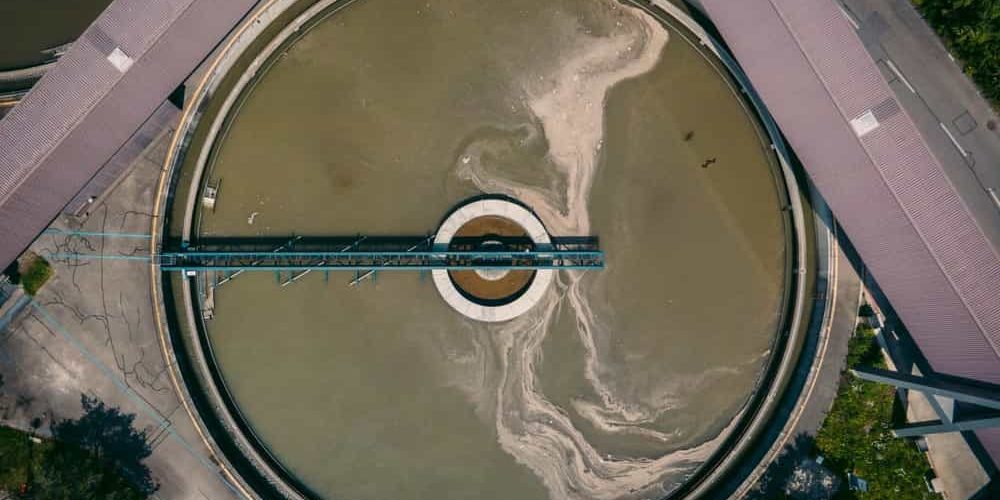
Presso l’Australian Flinders University, gli esperti di salute ambientale stanno effettuando una ricerca in merito al riciclaggio sostenibile delle acque reflue, al fine di trovare un modo sostenibile per estrarre biomassa microalgare da poter utilizzare nei biocarburanti.

La ricerca si basa sul modello HRAP (High Rate Algal Pond) che prevede l’utilizzo di alghe e batteri per trattare le acque reflue. La ricerca è condotta in due impianti di trattamento nel Sud dell’Australia, più precisamente a Kingston-on-Murray e Peterborough.

Gli esperti hanno presentato un modello basato sull’utilizzo della concentrazione di calce spenta e magnesio per raggruppare i biosolidi ricchi di microalghe. Il sistema elaborato ha dimostrato di avere successo non solo nella raccolta dei biosolidi, ma anche nella riduzione di torbidità, nutrienti e contaminazione da E. coli.

Il sistema elaborato dai ricercatori dell’Australian Flinders University risulta molto conveniente da gestire. Il costo di costruzione corrisponde a circa il 40% del sistema precedente e sono leggermente più alti rispetto ai sistemi di acque nere. Tuttavia, il vantaggio maggiore è quello riguardante il tempo necessario al trattamento delle acque: mentre con un sistema convenzionale sono necessari 66 giorni per trattare le acque reflue, con il modello HRAP sono necessari solo 5-10 giorni.


Redazione Kleanoo
Kleanoo © 2025 — Vietata la riproduzione
Condividi questo articolo
Share on FacebookShare on Facebook Share on XShare on X Share on LinkedInShare on LinkedIn Share on WhatsAppShare on WhatsApp

Leggi anche

bidoni differenziata
Pubblicati i nuovi CAM per i rifiuti urbani
9 August 2022
raccolta carta e cartone
Nuovo record per la raccolta di carta e cartone nel 2021
2 August 2022
trattamento acque reflue
Depurare le acque reflue per produrre idrogeno verde
26 July 2022
digitalizzazione
R.E.N.T.Ri al Waste Management Europe
19 July 2022
impianto depurazione reflui
Soluzioni digitali per il ciclo dell’acqua
12 July 2022
eeconic mercedes benz
IFAT 2022: presentato l’eEconic di Mercedes
28 June 2022
Ricerca Articoli
Ultime notizie
  • bidoni differenziata
    Pubblicati i nuovi CAM per i rifiuti urbani
    9 August 2022
  • bidoni differenziata
    New MEC for municipal waste
    9 August 2022
  • raccolta carta e cartone
    Nuovo record per la raccolta di carta e cartone nel 2021
    2 August 2022
  • raccolta carta e cartone
    New record for paper and cardboard collection in 2021
    2 August 2022
  • trattamento acque reflue
    Treat wastewater to produce green hydrogen
    26 July 2022
  • trattamento acque reflue
    Treat wastewater to produce green hydrogen
    26 July 2022
  • trattamento acque reflue
    Depurare le acque reflue per produrre idrogeno verde
    26 July 2022
  • trattamento acque reflue
    Treat wastewater to produce green hydrogen
    26 July 2022
  • trattamento acque reflue
    Treat wastewater to produce green hydrogen
    26 July 2022
  • trattamento acque reflue
    Treat wastewater to produce green hydrogen
    26 July 2022

Biofuel with microalgae coming from wastewater

You are here:
  1. Home
  2. Environment
  3. Biofuel with microalgae coming from…
EnvironmentTechnologywastewater depuration tank

At Australian Flinders University, environmental health experts are researching wastewater recycling, in order to find a sustainable way to extract microalgae biomass for use in biofuels.

The research is based on the HRAP (High Rate Algal Pond) model which involves the use of algae and bacteria to treat wastewater. The research is being conducted in two treatment plants in South Australia, more specifically in Kingston-on-Murray and Peterborough.

Experts presented a model based on using the concentration of slaked lime and magnesium to group microalgae-rich biosolids. The system developed has been shown to be successful not only in harvesting biosolids, but also in reducing turbidity, nutrients and E. coli contamination.

The system developed by researchers at Australian Flinders University is very convenient to manage. The construction cost corresponds to about 40% of the previous system and they are slightly higher than the black water systems. However, the biggest advantage is the time it takes to treat the water: while with a conventional system it takes 66 days to treat the wastewater, with the HRAP model it only takes 5-10 days.

Kleanoo Editorial Staff
Kleanoo © 2025 — Reproduction prohibited
Condividi questo articolo
Share on FacebookShare on Facebook Share on XShare on X Share on LinkedInShare on LinkedIn Share on WhatsAppShare on WhatsApp

Leggi anche

bidoni differenziata
New MEC for municipal waste
9 August 2022
raccolta carta e cartone
New record for paper and cardboard collection in 2021
2 August 2022
trattamento acque reflue
Treat wastewater to produce green hydrogen
26 July 2022
digitalizzazione
R.E.N.T.Ri at Waste Management Europe
19 July 2022
impianto depurazione reflui
Digital solutions for the water cycle
12 July 2022
eeconic mercedes benz
IFAT 2022: Mercedes’ eEconic unveiled
28 June 2022

Biofuel with microalgae coming from wastewater

You are here:
  1. Home
  2. Écologie
  3. Biofuel with microalgae coming from…
ÉcologieTechnologievasca depurazione reflui

At Australian Flinders University, environmental health experts are researching wastewater recycling, in order to find a sustainable way to extract microalgae biomass for use in biofuels.

The research is based on the HRAP (High Rate Algal Pond) model which involves the use of algae and bacteria to treat wastewater. The research is being conducted in two treatment plants in South Australia, more specifically in Kingston-on-Murray and Peterborough.

Experts presented a model based on using the concentration of slaked lime and magnesium to group microalgae-rich biosolids. The system developed has been shown to be successful not only in harvesting biosolids, but also in reducing turbidity, nutrients and E. coli contamination.

The system developed by researchers at Australian Flinders University is very convenient to manage. The construction cost corresponds to about 40% of the previous system and they are slightly higher than the black water systems. However, the biggest advantage is the time it takes to treat the water: while with a conventional system it takes 66 days to treat the wastewater, with the HRAP model it only takes 5-10 days.

Kleanoo Editorial Staff
Kleanoo © 2025 — Reproduction prohibited
Condividi questo articolo
Share on FacebookShare on Facebook Share on XShare on X Share on LinkedInShare on LinkedIn Share on WhatsAppShare on WhatsApp

Leggi anche

trattamento acque reflue
Treat wastewater to produce green hydrogen
26 July 2022
impianto depurazione reflui
Digital solutions for the water cycle
12 July 2022
eeconic mercedes benz
IFAT 2022: Mercedes’ eEconic unveiled
28 June 2022
raccolta differenziata carta e cartone
India supports the development of technological solutions for waste management
21 June 2022
silos di acque reflue
Veritas returnes 99.6% of purified water to the environment
14 June 2022
irrigazione in agricoltura
Purified wastewater to fight drought
7 June 2022

Biofuel with microalgae coming from wastewater

You are here:
  1. Home
  2. Ökologie
  3. Biofuel with microalgae coming from…
ÖkologieTechnologievasca depurazione reflui

At Australian Flinders University, environmental health experts are researching wastewater recycling, in order to find a sustainable way to extract microalgae biomass for use in biofuels.

The research is based on the HRAP (High Rate Algal Pond) model which involves the use of algae and bacteria to treat wastewater. The research is being conducted in two treatment plants in South Australia, more specifically in Kingston-on-Murray and Peterborough.

Experts presented a model based on using the concentration of slaked lime and magnesium to group microalgae-rich biosolids. The system developed has been shown to be successful not only in harvesting biosolids, but also in reducing turbidity, nutrients and E. coli contamination.

The system developed by researchers at Australian Flinders University is very convenient to manage. The construction cost corresponds to about 40% of the previous system and they are slightly higher than the black water systems. However, the biggest advantage is the time it takes to treat the water: while with a conventional system it takes 66 days to treat the wastewater, with the HRAP model it only takes 5-10 days.

Kleanoo Editorial Staff
Kleanoo © 2025 — Reproduction prohibited
Condividi questo articolo
Share on FacebookShare on Facebook Share on XShare on X Share on LinkedInShare on LinkedIn Share on WhatsAppShare on WhatsApp

Leggi anche

trattamento acque reflue
Treat wastewater to produce green hydrogen
26 July 2022
impianto depurazione reflui
Digital solutions for the water cycle
12 July 2022
eeconic mercedes benz
IFAT 2022: Mercedes’ eEconic unveiled
28 June 2022
raccolta differenziata carta e cartone
India supports the development of technological solutions for waste management
21 June 2022
silos di acque reflue
Veritas returnes 99.6% of purified water to the environment
14 June 2022
irrigazione in agricoltura
Purified wastewater to fight drought
7 June 2022

Biofuel with microalgae coming from wastewater

You are here:
  1. Home
  2. Meio Ambiente/Sustentabilidade
  3. Biofuel with microalgae coming from…
Meio Ambiente/SustentabilidadeTecnologiavasca depurazione reflui

At Australian Flinders University, environmental health experts are researching wastewater recycling, in order to find a sustainable way to extract microalgae biomass for use in biofuels.

The research is based on the HRAP (High Rate Algal Pond) model which involves the use of algae and bacteria to treat wastewater. The research is being conducted in two treatment plants in South Australia, more specifically in Kingston-on-Murray and Peterborough.

Experts presented a model based on using the concentration of slaked lime and magnesium to group microalgae-rich biosolids. The system developed has been shown to be successful not only in harvesting biosolids, but also in reducing turbidity, nutrients and E. coli contamination.

The system developed by researchers at Australian Flinders University is very convenient to manage. The construction cost corresponds to about 40% of the previous system and they are slightly higher than the black water systems. However, the biggest advantage is the time it takes to treat the water: while with a conventional system it takes 66 days to treat the wastewater, with the HRAP model it only takes 5-10 days.

Kleanoo Editorial Staff
Kleanoo © 2025 — Reproduction prohibited
Condividi questo articolo
Share on FacebookShare on Facebook Share on XShare on X Share on LinkedInShare on LinkedIn Share on WhatsAppShare on WhatsApp

Leggi anche

trattamento acque reflue
Treat wastewater to produce green hydrogen
26 July 2022
impianto depurazione reflui
Digital solutions for the water cycle
12 July 2022
eeconic mercedes benz
IFAT 2022: Mercedes’ eEconic unveiled
28 June 2022
raccolta differenziata carta e cartone
India supports the development of technological solutions for waste management
21 June 2022
silos di acque reflue
Veritas returnes 99.6% of purified water to the environment
14 June 2022
irrigazione in agricoltura
Purified wastewater to fight drought
7 June 2022

Biofuel with microalgae coming from wastewater

You are here:
  1. Home
  2. Ecología
  3. Biofuel with microalgae coming from…
EcologíaTecnologíavasca depurazione reflui

At Australian Flinders University, environmental health experts are researching wastewater recycling, in order to find a sustainable way to extract microalgae biomass for use in biofuels.

The research is based on the HRAP (High Rate Algal Pond) model which involves the use of algae and bacteria to treat wastewater. The research is being conducted in two treatment plants in South Australia, more specifically in Kingston-on-Murray and Peterborough.

Experts presented a model based on using the concentration of slaked lime and magnesium to group microalgae-rich biosolids. The system developed has been shown to be successful not only in harvesting biosolids, but also in reducing turbidity, nutrients and E. coli contamination.

The system developed by researchers at Australian Flinders University is very convenient to manage. The construction cost corresponds to about 40% of the previous system and they are slightly higher than the black water systems. However, the biggest advantage is the time it takes to treat the water: while with a conventional system it takes 66 days to treat the wastewater, with the HRAP model it only takes 5-10 days.

Kleanoo Editorial Staff
Kleanoo © 2025 — Reproduction prohibited
Condividi questo articolo
Share on FacebookShare on Facebook Share on XShare on X Share on LinkedInShare on LinkedIn Share on WhatsAppShare on WhatsApp

Leggi anche

trattamento acque reflue
Treat wastewater to produce green hydrogen
26 July 2022
impianto depurazione reflui
Digital solutions for the water cycle
12 July 2022
eeconic mercedes benz
IFAT 2022: Mercedes’ eEconic unveiled
28 June 2022
raccolta differenziata carta e cartone
India supports the development of technological solutions for waste management
21 June 2022
silos di acque reflue
Veritas returnes 99.6% of purified water to the environment
14 June 2022
irrigazione in agricoltura
Purified wastewater to fight drought
7 June 2022
Informazioni di Contatto
Utilizza i recapiti sottostanti per poterti mettere in contatto con un membro del nostro team. In alternativa puoi compilare il form per inviarci un messaggio.
  • Indirizzo
    Via Marco Beato Ongaro 11
    31015 Conegliano (TV)
  • Telefono
    +39 353 439 9515
    +39 0438 1963696
  • E-mail
    info@kleanoo.com

    Kleanoo
    Kleanoo © 2025
    Kleanoo è un marchio registrato di Vakoom Srl
    Partita IVA: IT 03945270266
    Site design by ADMP
    • Privacy Policy
    • Cookie Policy
    Menu Footer

    Go to Top