

Skip to content
Kleanoo
The Eco-Network
KleanooKleanoo
  • Compra & VendiIn modo semplice, veloce e sicuro
  • Portale NotizieTecnologie, innovazioni e normative
  • Pronta ConsegnaVeicoli in pronta consegna by Vakoom
  • ContattiHai un dubbio o una domanda?
Chiudi Menu
  • Compra & VendiIn modo semplice, veloce e sicuro
  • Portale NotizieTecnologie, innovazioni e normative
  • Pronta ConsegnaVeicoli in pronta consegna by Vakoom
  • ContattiHai un dubbio o una domanda?

CHINA WILL BAN SINGLE-USE PLASTIC

You are here:
  1. Home
  2. Ökologie
  3. CHINA WILL BAN SINGLE-USE PLASTIC
ÖkologieCHINA BAN SINGLE USE PLASTIC

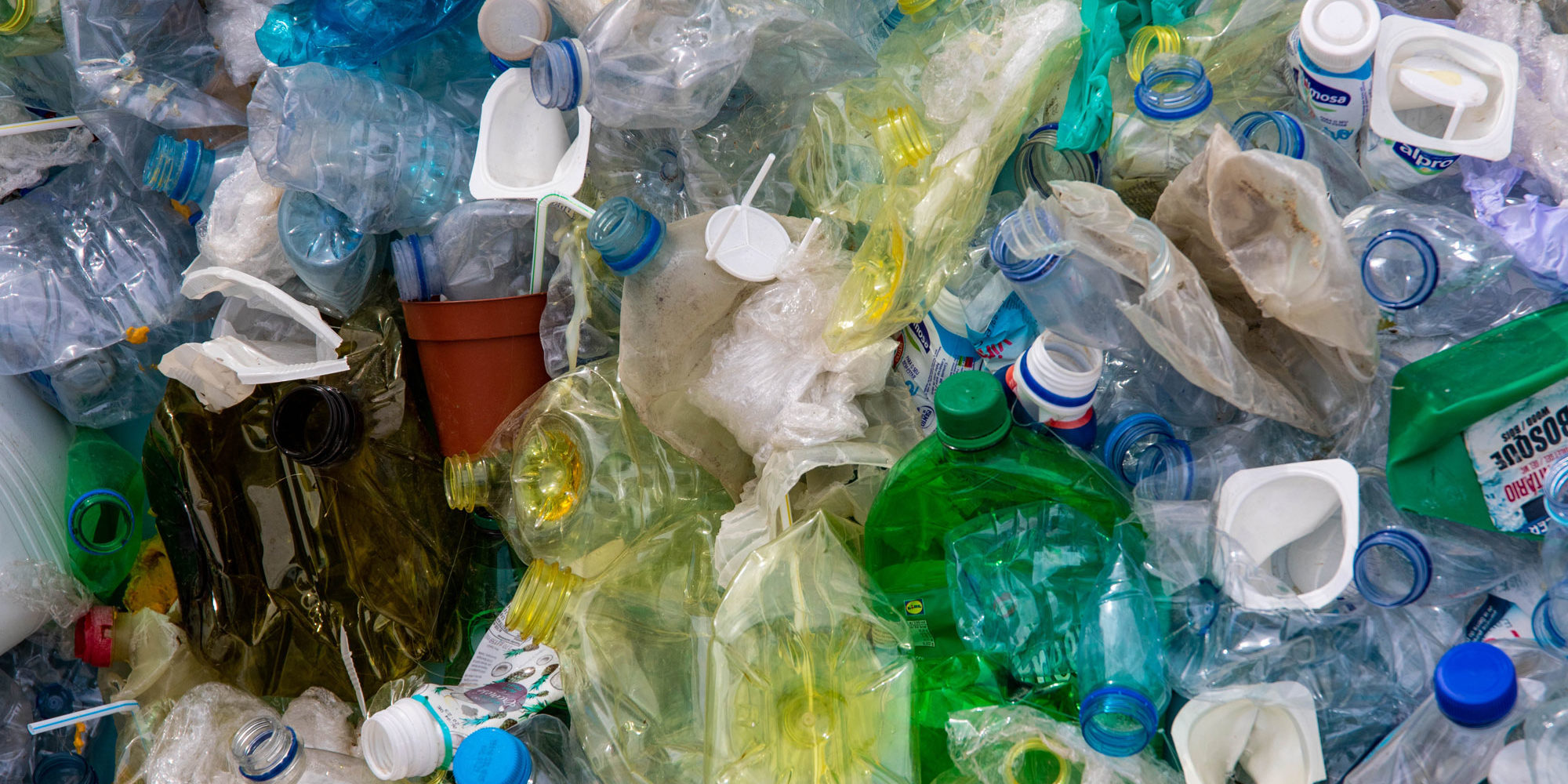
By 2025 China has communicated, through the National Development and Reform Commission and the Ministry of Ecology, that it will ban a large proportion of single-use plastics. It will start with large urban centres and continue into smaller villages and the route will of course be gradual. First a ban on the production and sale of single-use plastic bags, then a ban on non-biodegradable single-use plastic products, but also on items such as cotton staples and single-use food packaging, which are difficult to recycle. Just think that some university researches (from the University of Shenzhen and Michigan), have observed how the trade and sale of food at home has let to about 1.6 million tons of packaging waste alone (data from 2017). This is not a small problem for a country in continuous economic expansion.

The idea began this year: by the end of 2020, shopping centres, supermarkets and restaurants will be banned from using the incriminated objects. In particular, plastic straws will be the first products to be taken off the market, followed by plastic tableware and, finally, packaging. Even receptive structures such as hotels will undertake, by 2025, to remove the presence of single-use plastic articles for their customers, those little objects that we often find inside hotel rooms, from plastic toothbrushes to mini soap packages. The aim is obviously to encourage the use of alternative and environmentally friendly materials, but also to encourage waste recycling and separate collection at least in the immense Asian metropolises. In the same way, imports of plastic and paper waste from abroad will be reduced and the revenue from waste that can be more easily recycled will also be encouraged.

KLEANOO-REDAKTION

Kleanoo © 2025 — Verbot der Vervielfältigung
Condividi questo articolo
Share on FacebookShare on Facebook Share on XShare on X Share on LinkedInShare on LinkedIn Share on WhatsAppShare on WhatsApp

Leggi anche

trattamento acque reflue
Treat wastewater to produce green hydrogen
26 July 2022
silos di acque reflue
Veritas returnes 99.6% of purified water to the environment
14 June 2022
irrigazione in agricoltura
Purified wastewater to fight drought
7 June 2022
ladurner equipment full electric
Full electric vehicles of Ladurner Equipment in Naples: waste collection changes
24 May 2022
emissioni industriali
Producing energy from waste: first italian zero-emission biorefinery
17 May 2022
asfalto con impronte di scarpe
Modified asphalts: new life for ELT-recycled rubber
10 May 2022
Richiedi informazioni

Questo veicolo si trova in un sito esterno. Per informazioni chiamaci al +39 353 439 9515 oppure compila il form sottostante.

    I dati si intendono forniti a semplice titolo indicativo e non impegnativo. Kleanoo si riserva di apportare modifiche in qualunque momento e senza pubblico avviso.

    CHINA WILL BAN SINGLE-USE PLASTIC

    You are here:
    1. Home
    2. Écologie
    3. CHINA WILL BAN SINGLE-USE PLASTIC
    ÉcologieCHINA BAN SINGLE USE PLASTIC

    By 2025 China has communicated, through the National Development and Reform Commission and the Ministry of Ecology, that it will ban a large proportion of single-use plastics. It will start with large urban centres and continue into smaller villages and the route will of course be gradual. First a ban on the production and sale of single-use plastic bags, then a ban on non-biodegradable single-use plastic products, but also on items such as cotton staples and single-use food packaging, which are difficult to recycle. Just think that some university researches (from the University of Shenzhen and Michigan), have observed how the trade and sale of food at home has let to about 1.6 million tons of packaging waste alone (data from 2017). This is not a small problem for a country in continuous economic expansion.

    The idea began this year: by the end of 2020, shopping centres, supermarkets and restaurants will be banned from using the incriminated objects. In particular, plastic straws will be the first products to be taken off the market, followed by plastic tableware and, finally, packaging. Even receptive structures such as hotels will undertake, by 2025, to remove the presence of single-use plastic articles for their customers, those little objects that we often find inside hotel rooms, from plastic toothbrushes to mini soap packages. The aim is obviously to encourage the use of alternative and environmentally friendly materials, but also to encourage waste recycling and separate collection at least in the immense Asian metropolises. In the same way, imports of plastic and paper waste from abroad will be reduced and the revenue from waste that can be more easily recycled will also be encouraged.

    REDACTION KLEANOO

    Kleanoo © 2025 — Reproduction interdite

    Condividi questo articolo
    Share on FacebookShare on Facebook Share on XShare on X Share on LinkedInShare on LinkedIn Share on WhatsAppShare on WhatsApp

    Leggi anche

    trattamento acque reflue
    Treat wastewater to produce green hydrogen
    26 July 2022
    silos di acque reflue
    Veritas returnes 99.6% of purified water to the environment
    14 June 2022
    irrigazione in agricoltura
    Purified wastewater to fight drought
    7 June 2022
    ladurner equipment full electric
    Full electric vehicles of Ladurner Equipment in Naples: waste collection changes
    24 May 2022
    emissioni industriali
    Producing energy from waste: first italian zero-emission biorefinery
    17 May 2022
    asfalto con impronte di scarpe
    Modified asphalts: new life for ELT-recycled rubber
    10 May 2022
    Informazioni di Contatto
    Utilizza i recapiti sottostanti per poterti mettere in contatto con un membro del nostro team. In alternativa puoi compilare il form per inviarci un messaggio.
    • Indirizzo
      Via Marco Beato Ongaro 11
      31015 Conegliano (TV)
    • Telefono
      +39 353 439 9515
      +39 0438 1963696
    • E-mail
      info@kleanoo.com

      Kleanoo
      Kleanoo © 2025
      Kleanoo è un marchio registrato di Vakoom Srl
      Partita IVA: IT 03945270266
      Site design by ADMP
      • Privacy Policy
      • Cookie Policy
      Menu Footer

      Go to Top