

Skip to content
Kleanoo
The Eco-Network
KleanooKleanoo
  • Compra & VendiIn modo semplice, veloce e sicuro
  • Portale NotizieTecnologie, innovazioni e normative
  • Pronta ConsegnaVeicoli in pronta consegna by Vakoom
  • ContattiHai un dubbio o una domanda?
Chiudi Menu
  • Compra & VendiIn modo semplice, veloce e sicuro
  • Portale NotizieTecnologie, innovazioni e normative
  • Pronta ConsegnaVeicoli in pronta consegna by Vakoom
  • ContattiHai un dubbio o una domanda?

Depurare le acque reflue per produrre idrogeno verde

You are here:
  1. Home
  2. Ecologia
  3. Depurare le acque reflue per…
EcologiaTecnologiatrattamento acque reflue

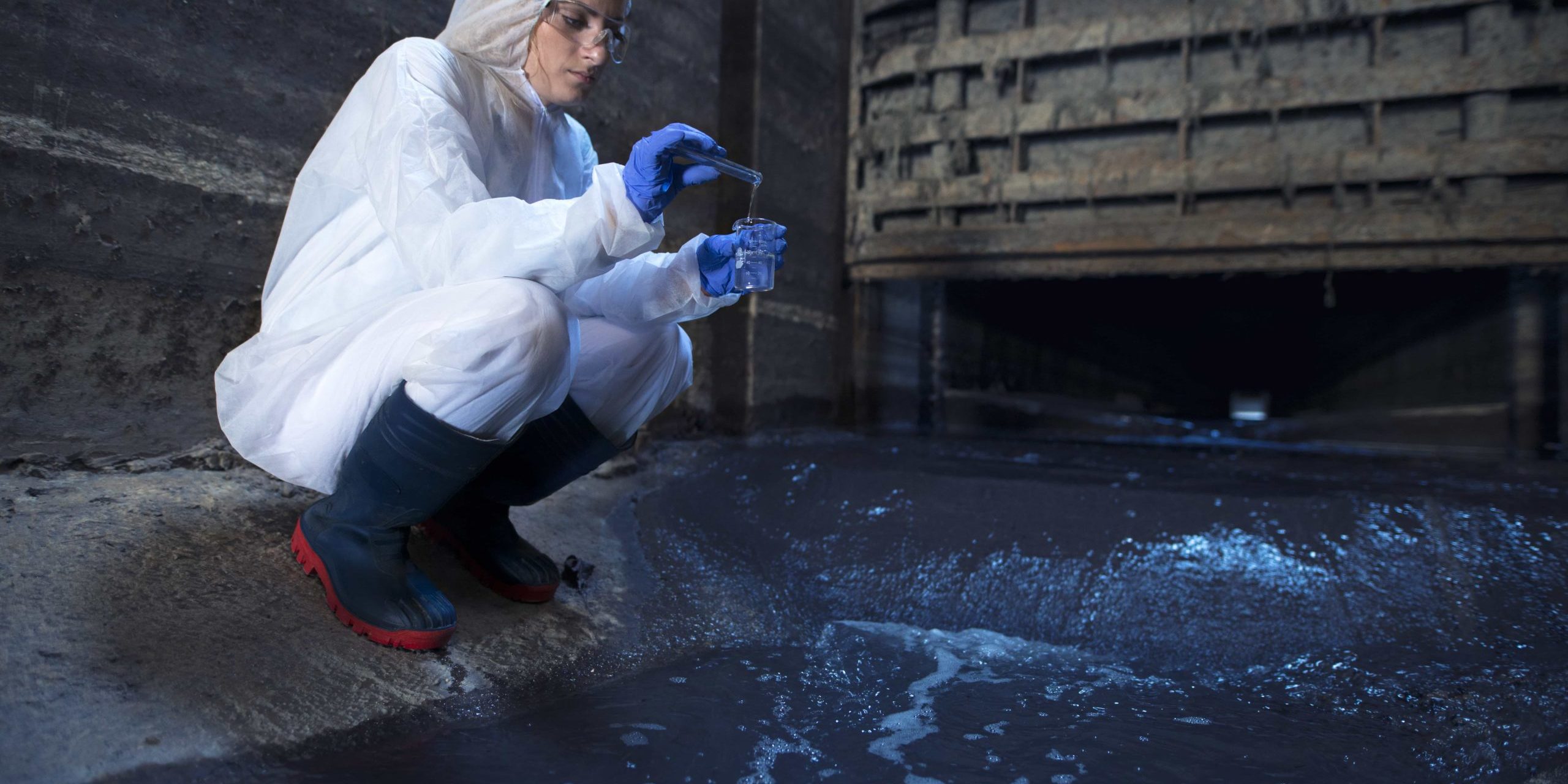
Un gruppo di ricercatori della Yale University ha studiato le potenzialità delle acque reflue nella produzione di idrogeno verde. L’elettrolisii dell’acqua utilizzata per produrre idrogeno verde sta diventando sempre più una delle componenti più importanti nelle strategie di decarbonizzazione a livello mondiale.

Il gruppo di ricerca ha pubblicato un articolo su Environmental Science & Technology, nel quale evidenzia che l’energia e i costi del trattamento di fronti idriche non tradizionali, come l’acqua di mare o le acque reflue civili e industriali, sono trascurabili rispetto a quelle per l’elettrolisi.

Più precisamente, è stato valutato l’impiego dell’elettrolisi distribuita su piccola scala con l’utilizzazione di fonti idriche non potabili. In sintesi, i risultati dimostrano che l’impiego di fonti idriche non tradizionali sia particolarmente vantaggioso in quelle zone in cui l’acqua potabile risulta più scarsa. Inoltre, un’infrastruttura più distribuita permetterebbe di creare idrogeno verde in una serie di siti più piccoli e distribuiti, invece che in un hub centralizzato, così da ridurre i costi di trasporto, che rappresentano i costi maggiori nella distribuzione del vettore energetico.


Redazione Kleanoo
Kleanoo © 2025 — Vietata la riproduzione
Condividi questo articolo
Share on FacebookShare on Facebook Share on XShare on X Share on LinkedInShare on LinkedIn Share on WhatsAppShare on WhatsApp

Leggi anche

bidoni differenziata
Pubblicati i nuovi CAM per i rifiuti urbani
9 August 2022
raccolta carta e cartone
Nuovo record per la raccolta di carta e cartone nel 2021
2 August 2022
digitalizzazione
R.E.N.T.Ri al Waste Management Europe
19 July 2022
impianto depurazione reflui
Soluzioni digitali per il ciclo dell’acqua
12 July 2022
eeconic mercedes benz
IFAT 2022: presentato l’eEconic di Mercedes
28 June 2022
raccolta differenziata carta e cartone
L’India sostiene lo sviluppo di soluzioni tecnologiche per la gestione dei rifiuti
21 June 2022
Ricerca Articoli
Ultime notizie
  • bidoni differenziata
    Pubblicati i nuovi CAM per i rifiuti urbani
    9 August 2022
  • bidoni differenziata
    New MEC for municipal waste
    9 August 2022
  • raccolta carta e cartone
    Nuovo record per la raccolta di carta e cartone nel 2021
    2 August 2022
  • raccolta carta e cartone
    New record for paper and cardboard collection in 2021
    2 August 2022
  • trattamento acque reflue
    Treat wastewater to produce green hydrogen
    26 July 2022
  • trattamento acque reflue
    Treat wastewater to produce green hydrogen
    26 July 2022
  • trattamento acque reflue
    Depurare le acque reflue per produrre idrogeno verde
    26 July 2022
  • trattamento acque reflue
    Treat wastewater to produce green hydrogen
    26 July 2022
  • trattamento acque reflue
    Treat wastewater to produce green hydrogen
    26 July 2022
  • trattamento acque reflue
    Treat wastewater to produce green hydrogen
    26 July 2022

Treat wastewater to produce green hydrogen

You are here:
  1. Home
  2. Environment
  3. Treat wastewater to produce green…
EnvironmentTechnologytrattamento acque reflue

A group of researchers from Yale University studied the potential of wastewater in the production of green hydrogen. The electrolysis of water used to produce green hydrogen is increasingly becoming one of the most important components in decarbonisation strategies all around the world.

The research group published an article on Environmental Science & Technology, in which it highlights that the energy and costs of treating non-traditional water fronts, such as seawater or civil and industrial wastewater, are negligible compared to those for electrolysis.

More precisely, the use of electrolysis distributed on a small scale with the use of non-potable water sources was evaluated. In summary, the results show that the use of non-traditional water sources is particularly advantageous in those areas where drinking water is scarcer. In addition, a more distributed infrastructure would allow green hydrogen to be created in a number of smaller and distributed sites, rather than in a centralised hub, so as to reduce transport costs, which represent the higher costs in the distribution of the energy carrier.

Kleanoo Editorial Staff
Kleanoo © 2025 — Reproduction prohibited
Condividi questo articolo
Share on FacebookShare on Facebook Share on XShare on X Share on LinkedInShare on LinkedIn Share on WhatsAppShare on WhatsApp

Leggi anche

bidoni differenziata
New MEC for municipal waste
9 August 2022
raccolta carta e cartone
New record for paper and cardboard collection in 2021
2 August 2022
digitalizzazione
R.E.N.T.Ri at Waste Management Europe
19 July 2022
impianto depurazione reflui
Digital solutions for the water cycle
12 July 2022
eeconic mercedes benz
IFAT 2022: Mercedes’ eEconic unveiled
28 June 2022
raccolta differenziata carta e cartone
India supports the development of technological solutions for waste management
21 June 2022

Treat wastewater to produce green hydrogen

You are here:
  1. Home
  2. Écologie
  3. Treat wastewater to produce green…
ÉcologieTechnologietrattamento acque reflue

A group of researchers from Yale University studied the potential of wastewater in the production of green hydrogen. The electrolysis of water used to produce green hydrogen is increasingly becoming one of the most important components in decarbonisation strategies all around the world.

The research group published an article on Environmental Science & Technology, in which it highlights that the energy and costs of treating non-traditional water fronts, such as seawater or civil and industrial wastewater, are negligible compared to those for electrolysis.

More precisely, the use of electrolysis distributed on a small scale with the use of non-potable water sources was evaluated. In summary, the results show that the use of non-traditional water sources is particularly advantageous in those areas where drinking water is scarcer. In addition, a more distributed infrastructure would allow green hydrogen to be created in a number of smaller and distributed sites, rather than in a centralised hub, so as to reduce transport costs, which represent the higher costs in the distribution of the energy carrier.

Kleanoo Editorial Staff
Kleanoo © 2025 — Reproduction prohibited
Condividi questo articolo
Share on FacebookShare on Facebook Share on XShare on X Share on LinkedInShare on LinkedIn Share on WhatsAppShare on WhatsApp

Leggi anche

impianto depurazione reflui
Digital solutions for the water cycle
12 July 2022
eeconic mercedes benz
IFAT 2022: Mercedes’ eEconic unveiled
28 June 2022
raccolta differenziata carta e cartone
India supports the development of technological solutions for waste management
21 June 2022
silos di acque reflue
Veritas returnes 99.6% of purified water to the environment
14 June 2022
irrigazione in agricoltura
Purified wastewater to fight drought
7 June 2022
filter to remove microplastics in wastewater
First laser perforated filter to eliminate microplastics in wastewater
31 May 2022

Treat wastewater to produce green hydrogen

You are here:
  1. Home
  2. Ökologie
  3. Treat wastewater to produce green…
ÖkologieTechnologietrattamento acque reflue

A group of researchers from Yale University studied the potential of wastewater in the production of green hydrogen. The electrolysis of water used to produce green hydrogen is increasingly becoming one of the most important components in decarbonisation strategies all around the world.

The research group published an article on Environmental Science & Technology, in which it highlights that the energy and costs of treating non-traditional water fronts, such as seawater or civil and industrial wastewater, are negligible compared to those for electrolysis.

More precisely, the use of electrolysis distributed on a small scale with the use of non-potable water sources was evaluated. In summary, the results show that the use of non-traditional water sources is particularly advantageous in those areas where drinking water is scarcer. In addition, a more distributed infrastructure would allow green hydrogen to be created in a number of smaller and distributed sites, rather than in a centralised hub, so as to reduce transport costs, which represent the higher costs in the distribution of the energy carrier.

Kleanoo Editorial Staff
Kleanoo © 2025 — Reproduction prohibited
Condividi questo articolo
Share on FacebookShare on Facebook Share on XShare on X Share on LinkedInShare on LinkedIn Share on WhatsAppShare on WhatsApp

Leggi anche

impianto depurazione reflui
Digital solutions for the water cycle
12 July 2022
eeconic mercedes benz
IFAT 2022: Mercedes’ eEconic unveiled
28 June 2022
raccolta differenziata carta e cartone
India supports the development of technological solutions for waste management
21 June 2022
silos di acque reflue
Veritas returnes 99.6% of purified water to the environment
14 June 2022
irrigazione in agricoltura
Purified wastewater to fight drought
7 June 2022
filter to remove microplastics in wastewater
First laser perforated filter to eliminate microplastics in wastewater
31 May 2022

Treat wastewater to produce green hydrogen

You are here:
  1. Home
  2. Meio Ambiente/Sustentabilidade
  3. Treat wastewater to produce green…
Meio Ambiente/SustentabilidadeTecnologiatrattamento acque reflue

A group of researchers from Yale University studied the potential of wastewater in the production of green hydrogen. The electrolysis of water used to produce green hydrogen is increasingly becoming one of the most important components in decarbonisation strategies all around the world.

The research group published an article on Environmental Science & Technology, in which it highlights that the energy and costs of treating non-traditional water fronts, such as seawater or civil and industrial wastewater, are negligible compared to those for electrolysis.

More precisely, the use of electrolysis distributed on a small scale with the use of non-potable water sources was evaluated. In summary, the results show that the use of non-traditional water sources is particularly advantageous in those areas where drinking water is scarcer. In addition, a more distributed infrastructure would allow green hydrogen to be created in a number of smaller and distributed sites, rather than in a centralised hub, so as to reduce transport costs, which represent the higher costs in the distribution of the energy carrier.

Kleanoo Editorial Staff
Kleanoo © 2025 — Reproduction prohibited
Condividi questo articolo
Share on FacebookShare on Facebook Share on XShare on X Share on LinkedInShare on LinkedIn Share on WhatsAppShare on WhatsApp

Leggi anche

impianto depurazione reflui
Digital solutions for the water cycle
12 July 2022
eeconic mercedes benz
IFAT 2022: Mercedes’ eEconic unveiled
28 June 2022
raccolta differenziata carta e cartone
India supports the development of technological solutions for waste management
21 June 2022
silos di acque reflue
Veritas returnes 99.6% of purified water to the environment
14 June 2022
irrigazione in agricoltura
Purified wastewater to fight drought
7 June 2022
filter to remove microplastics in wastewater
First laser perforated filter to eliminate microplastics in wastewater
31 May 2022

Treat wastewater to produce green hydrogen

You are here:
  1. Home
  2. Ecología
  3. Treat wastewater to produce green…
EcologíaTecnologíatrattamento acque reflue

A group of researchers from Yale University studied the potential of wastewater in the production of green hydrogen. The electrolysis of water used to produce green hydrogen is increasingly becoming one of the most important components in decarbonisation strategies all around the world.

The research group published an article on Environmental Science & Technology, in which it highlights that the energy and costs of treating non-traditional water fronts, such as seawater or civil and industrial wastewater, are negligible compared to those for electrolysis.

More precisely, the use of electrolysis distributed on a small scale with the use of non-potable water sources was evaluated. In summary, the results show that the use of non-traditional water sources is particularly advantageous in those areas where drinking water is scarcer. In addition, a more distributed infrastructure would allow green hydrogen to be created in a number of smaller and distributed sites, rather than in a centralised hub, so as to reduce transport costs, which represent the higher costs in the distribution of the energy carrier.

Kleanoo Editorial Staff
Kleanoo © 2025 — Reproduction prohibited
Condividi questo articolo
Share on FacebookShare on Facebook Share on XShare on X Share on LinkedInShare on LinkedIn Share on WhatsAppShare on WhatsApp

Leggi anche

impianto depurazione reflui
Digital solutions for the water cycle
12 July 2022
eeconic mercedes benz
IFAT 2022: Mercedes’ eEconic unveiled
28 June 2022
raccolta differenziata carta e cartone
India supports the development of technological solutions for waste management
21 June 2022
silos di acque reflue
Veritas returnes 99.6% of purified water to the environment
14 June 2022
irrigazione in agricoltura
Purified wastewater to fight drought
7 June 2022
filter to remove microplastics in wastewater
First laser perforated filter to eliminate microplastics in wastewater
31 May 2022
Informazioni di Contatto
Utilizza i recapiti sottostanti per poterti mettere in contatto con un membro del nostro team. In alternativa puoi compilare il form per inviarci un messaggio.
  • Indirizzo
    Via Marco Beato Ongaro 11
    31015 Conegliano (TV)
  • Telefono
    +39 353 439 9515
    +39 0438 1963696
  • E-mail
    info@kleanoo.com

    Kleanoo
    Kleanoo © 2025
    Kleanoo è un marchio registrato di Vakoom Srl
    Partita IVA: IT 03945270266
    Site design by ADMP
    • Privacy Policy
    • Cookie Policy
    Menu Footer

    Go to Top