

Skip to content
Kleanoo
The Eco-Network
KleanooKleanoo
  • Compra & VendiIn modo semplice, veloce e sicuro
  • Portale NotizieTecnologie, innovazioni e normative
  • Pronta ConsegnaVeicoli in pronta consegna by Vakoom
  • ContattiHai un dubbio o una domanda?
Chiudi Menu
  • Compra & VendiIn modo semplice, veloce e sicuro
  • Portale NotizieTecnologie, innovazioni e normative
  • Pronta ConsegnaVeicoli in pronta consegna by Vakoom
  • ContattiHai un dubbio o una domanda?

Depurazione delle acque reflue

You are here:
  1. Home
  2. Ecologia
  3. Depurazione delle acque reflue
EcologiaNormativeanalisi acque reflue

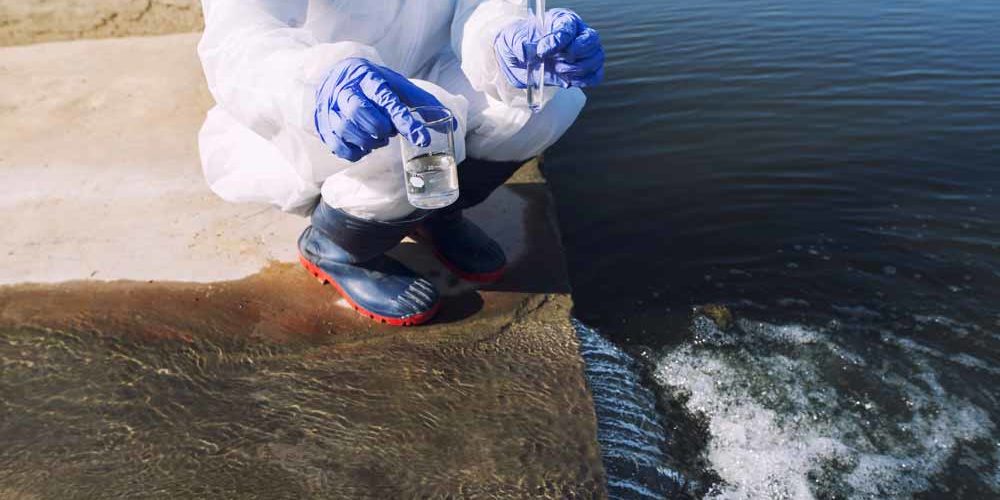
Oggigiorno le acque reflue urbane sono caratterizzate dalla presenza sempre più ampia di composti chimici di origine sintetica, di conseguenza per poter riutilizzare le acque reflue è necessario depurarle.

Il Decreto Legislativo dell’11 maggio 1999, n.152 e s.m.i. recepisce la direttiva comunitaria concernente il trattamento delle acque reflue urbane: oltre a disciplinare gli scarichi mantenendo valori limite di concentrazione per le varie sostanze, pone l’attenzione sulla qualità del corpo idrico recettore prevedendo lo sviluppo di attività di monitoraggio.

La depurazione avviene tramite trattamenti biologici e sfrutta tecnologie basate essenzialmente su fenomeni naturali fatti svolgere in ambienti creati artificialmente.

Sia in ambienti naturali, che artificiali, la depurazione avviene tramite popolazioni microbiotiche diverse e quando vengono messe insieme si ottiene la degradazione delle sostanze inquinanti. Inoltre, attraverso processi di mineralizzazione e raccolta dei fanghi, è possibile separare questi ultimi in una seconda fase tramite la sedimentazione.

In seguito alla pubblicazione del Decreto del 12 giugno 2003, n.185, sono state stabilite le norme tecniche per il riutilizzo delle acque reflue domestiche, urbane e industriali. Il decreto indica tre possibilità di riutilizzo di queste acque recuperate:

  • in campo agricolo per l’irrigazione;
  • in campo civile per il lavaggio delle strade, per l’alimentazione dei sistemi di riscaldamento e raffreddamento e per l’alimentazione delle reti duali di adduzione;
  • in campo industriale per la disponibilità dell’acqua antincendio e per i lavaggi dei cicli termici.

Tuttavia, per poter riutilizzare le acque reflue è necessario raggiungere un certo livello di qualità igienico-sanitaria.

Nello scenario dei vantaggi e delle prospettive future che può offrire il riciclo delle acque usate, vi è uno sviluppo di nuove tecnologie per ottenere processi più efficienti di quelli attuali a garanzia di un approvvigionamento di acqua depurata a costi contenuti.

Redazione Kleanoo
Kleanoo © 2025 — Vietata la riproduzione
Condividi questo articolo
Share on FacebookShare on Facebook Share on XShare on X Share on LinkedInShare on LinkedIn Share on WhatsAppShare on WhatsApp

Leggi anche

bidoni differenziata
Pubblicati i nuovi CAM per i rifiuti urbani
9 August 2022
raccolta carta e cartone
Nuovo record per la raccolta di carta e cartone nel 2021
2 August 2022
trattamento acque reflue
Depurare le acque reflue per produrre idrogeno verde
26 July 2022
digitalizzazione
R.E.N.T.Ri al Waste Management Europe
19 July 2022
silos di acque reflue
Veritas restituisce all’ambiente il 99,6% di acque depurate
14 June 2022
irrigazione in agricoltura
Acque reflue depurate per combattere la siccità
7 June 2022
Ricerca Articoli
Ultime notizie
  • bidoni differenziata
    Pubblicati i nuovi CAM per i rifiuti urbani
    9 August 2022
  • bidoni differenziata
    New MEC for municipal waste
    9 August 2022
  • raccolta carta e cartone
    Nuovo record per la raccolta di carta e cartone nel 2021
    2 August 2022
  • raccolta carta e cartone
    New record for paper and cardboard collection in 2021
    2 August 2022
  • trattamento acque reflue
    Treat wastewater to produce green hydrogen
    26 July 2022
  • trattamento acque reflue
    Treat wastewater to produce green hydrogen
    26 July 2022
  • trattamento acque reflue
    Depurare le acque reflue per produrre idrogeno verde
    26 July 2022
  • trattamento acque reflue
    Treat wastewater to produce green hydrogen
    26 July 2022
  • trattamento acque reflue
    Treat wastewater to produce green hydrogen
    26 July 2022
  • trattamento acque reflue
    Treat wastewater to produce green hydrogen
    26 July 2022

Purification of wastewater

You are here:
  1. Home
  2. Environment
  3. Purification of wastewater
EnvironmentLegislationwastewater analysis

Nowadays urban waste water is characterized by the ever increasing presence of chemical elements of synthetic origin, consequently it is necessary to purify it in order to reuse waste water.

The Legislative Decree of 11 May 1999, n.152 and subsequent amendments incorporates the EU directive concerning the treatment of urban waste water: in addition to regulating discharges while maintaining concentration limit values for the various substances, it focuses on the quality of the water body receptor providing for the development of monitoring activities.

Purification takes place through biological treatments and uses technologies based essentially on natural phenomena made to develop in artificially created environments.

Both in natural and artificial environments, purification takes place through different microbiotic populations and when they are put together, the degradation of pollutants is achieved. Furthermore, through processes of mineralization and collection of the sludge, it is possible to separate it in a second phase through sedimentation.

Following the publication of the Decree of 12 June 2003, n.185, the technical standards for the reuse of domestic, urban and industrial wastewater were established. The decree indicates three possibilities of reuse of the recovered waters:

  • in the agricultural fields for irrigation;
  • in the civil field for street washing, for the supply of heating and cooling systems and for the supply of dual supply networks;
  • in the industrial field for the availability of fire-fighting water and for washing the thermal cycles.

However, in order to be able to reuse watewater, it is necessary to achieve a certain level of sanitary quality.

In the scenario of the advantages and future prospects that the recycling of waste water can offer, there is a development of new technologies to obtain more efficient processes than the current ones to guarantee a supply of purified water at low costs.

Kleanoo Editorial Staff
Kleanoo © 2025 — Reproduction prohibited
Condividi questo articolo
Share on FacebookShare on Facebook Share on XShare on X Share on LinkedInShare on LinkedIn Share on WhatsAppShare on WhatsApp

Leggi anche

bidoni differenziata
New MEC for municipal waste
9 August 2022
raccolta carta e cartone
New record for paper and cardboard collection in 2021
2 August 2022
trattamento acque reflue
Treat wastewater to produce green hydrogen
26 July 2022
digitalizzazione
R.E.N.T.Ri at Waste Management Europe
19 July 2022
wastewater containers
Veritas returnes 99.6% of purified water to the environment
14 June 2022
irrigazione in agricoltura
Purified wastewater to fight drought
7 June 2022

Purification of wastewater

You are here:
  1. Home
  2. Écologie
  3. Purification of wastewater
ÉcologieRèglementsanalisi acque reflue

Nowadays urban waste water is characterized by the ever increasing presence of chemical elements of synthetic origin, consequently it is necessary to purify it in order to reuse waste water.

The Legislative Decree of 11 May 1999, n.152 and subsequent amendments incorporates the EU directive concerning the treatment of urban waste water: in addition to regulating discharges while maintaining concentration limit values for the various substances, it focuses on the quality of the water body receptor providing for the development of monitoring activities.

Purification takes place through biological treatments and uses technologies based essentially on natural phenomena made to develop in artificially created environments.

Both in natural and artificial environments, purification takes place through different microbiotic populations and when they are put together, the degradation of pollutants is achieved. Furthermore, through processes of mineralization and collection of the sludge, it is possible to separate it in a second phase through sedimentation.

Following the publication of the Decree of 12 June 2003, n.185, the technical standards for the reuse of domestic, urban and industrial wastewater were established. The decree indicates three possibilities of reuse of the recovered waters:

  • in the agricultural fields for irrigation;
  • in the civil field for street washing, for the supply of heating and cooling systems and for the supply of dual supply networks;
  • in the industrial field for the availability of fire-fighting water and for washing the thermal cycles.

However, in order to be able to reuse watewater, it is necessary to achieve a certain level of sanitary quality.

In the scenario of the advantages and future prospects that the recycling of waste water can offer, there is a development of new technologies to obtain more efficient processes than the current ones to guarantee a supply of purified water at low costs.

Kleanoo Editorial Staff
Kleanoo © 2025 — Reproduction prohibited
Condividi questo articolo
Share on FacebookShare on Facebook Share on XShare on X Share on LinkedInShare on LinkedIn Share on WhatsAppShare on WhatsApp

Leggi anche

trattamento acque reflue
Treat wastewater to produce green hydrogen
26 July 2022
silos di acque reflue
Veritas returnes 99.6% of purified water to the environment
14 June 2022
irrigazione in agricoltura
Purified wastewater to fight drought
7 June 2022
ladurner equipment full electric
Full electric vehicles of Ladurner Equipment in Naples: waste collection changes
24 May 2022
emissioni industriali
Producing energy from waste: first italian zero-emission biorefinery
17 May 2022
asfalto con impronte di scarpe
Modified asphalts: new life for ELT-recycled rubber
10 May 2022

Purification of wastewater

You are here:
  1. Home
  2. Ökologie
  3. Purification of wastewater
ÖkologieVorschriftenanalisi acque reflue

Nowadays urban waste water is characterized by the ever increasing presence of chemical elements of synthetic origin, consequently it is necessary to purify it in order to reuse waste water.

The Legislative Decree of 11 May 1999, n.152 and subsequent amendments incorporates the EU directive concerning the treatment of urban waste water: in addition to regulating discharges while maintaining concentration limit values for the various substances, it focuses on the quality of the water body receptor providing for the development of monitoring activities.

Purification takes place through biological treatments and uses technologies based essentially on natural phenomena made to develop in artificially created environments.

Both in natural and artificial environments, purification takes place through different microbiotic populations and when they are put together, the degradation of pollutants is achieved. Furthermore, through processes of mineralization and collection of the sludge, it is possible to separate it in a second phase through sedimentation.

Following the publication of the Decree of 12 June 2003, n.185, the technical standards for the reuse of domestic, urban and industrial wastewater were established. The decree indicates three possibilities of reuse of the recovered waters:

  • in the agricultural fields for irrigation;
  • in the civil field for street washing, for the supply of heating and cooling systems and for the supply of dual supply networks;
  • in the industrial field for the availability of fire-fighting water and for washing the thermal cycles.

However, in order to be able to reuse watewater, it is necessary to achieve a certain level of sanitary quality.

In the scenario of the advantages and future prospects that the recycling of waste water can offer, there is a development of new technologies to obtain more efficient processes than the current ones to guarantee a supply of purified water at low costs.

Kleanoo Editorial Staff
Kleanoo © 2025 — Reproduction prohibited
Condividi questo articolo
Share on FacebookShare on Facebook Share on XShare on X Share on LinkedInShare on LinkedIn Share on WhatsAppShare on WhatsApp

Leggi anche

trattamento acque reflue
Treat wastewater to produce green hydrogen
26 July 2022
silos di acque reflue
Veritas returnes 99.6% of purified water to the environment
14 June 2022
irrigazione in agricoltura
Purified wastewater to fight drought
7 June 2022
ladurner equipment full electric
Full electric vehicles of Ladurner Equipment in Naples: waste collection changes
24 May 2022
emissioni industriali
Producing energy from waste: first italian zero-emission biorefinery
17 May 2022
asfalto con impronte di scarpe
Modified asphalts: new life for ELT-recycled rubber
10 May 2022

Purification of wastewater

You are here:
  1. Home
  2. Legislação
  3. Purification of wastewater
LegislaçãoMeio Ambiente/Sustentabilidadeanalisi acque reflue

Nowadays urban waste water is characterized by the ever increasing presence of chemical elements of synthetic origin, consequently it is necessary to purify it in order to reuse waste water.

The Legislative Decree of 11 May 1999, n.152 and subsequent amendments incorporates the EU directive concerning the treatment of urban waste water: in addition to regulating discharges while maintaining concentration limit values for the various substances, it focuses on the quality of the water body receptor providing for the development of monitoring activities.

Purification takes place through biological treatments and uses technologies based essentially on natural phenomena made to develop in artificially created environments.

Both in natural and artificial environments, purification takes place through different microbiotic populations and when they are put together, the degradation of pollutants is achieved. Furthermore, through processes of mineralization and collection of the sludge, it is possible to separate it in a second phase through sedimentation.

Following the publication of the Decree of 12 June 2003, n.185, the technical standards for the reuse of domestic, urban and industrial wastewater were established. The decree indicates three possibilities of reuse of the recovered waters:

  • in the agricultural fields for irrigation;
  • in the civil field for street washing, for the supply of heating and cooling systems and for the supply of dual supply networks;
  • in the industrial field for the availability of fire-fighting water and for washing the thermal cycles.

However, in order to be able to reuse watewater, it is necessary to achieve a certain level of sanitary quality.

In the scenario of the advantages and future prospects that the recycling of waste water can offer, there is a development of new technologies to obtain more efficient processes than the current ones to guarantee a supply of purified water at low costs.

Kleanoo Editorial Staff
Kleanoo © 2025 — Reproduction prohibited
Condividi questo articolo
Share on FacebookShare on Facebook Share on XShare on X Share on LinkedInShare on LinkedIn Share on WhatsAppShare on WhatsApp

Leggi anche

trattamento acque reflue
Treat wastewater to produce green hydrogen
26 July 2022
silos di acque reflue
Veritas returnes 99.6% of purified water to the environment
14 June 2022
irrigazione in agricoltura
Purified wastewater to fight drought
7 June 2022
ladurner equipment full electric
Full electric vehicles of Ladurner Equipment in Naples: waste collection changes
24 May 2022
emissioni industriali
Producing energy from waste: first italian zero-emission biorefinery
17 May 2022
asfalto con impronte di scarpe
Modified asphalts: new life for ELT-recycled rubber
10 May 2022

Purification of wastewater

You are here:
  1. Home
  2. Ecología
  3. Purification of wastewater
EcologíaNormasanalisi acque reflue

Nowadays urban waste water is characterized by the ever increasing presence of chemical elements of synthetic origin, consequently it is necessary to purify it in order to reuse waste water.

The Legislative Decree of 11 May 1999, n.152 and subsequent amendments incorporates the EU directive concerning the treatment of urban waste water: in addition to regulating discharges while maintaining concentration limit values for the various substances, it focuses on the quality of the water body receptor providing for the development of monitoring activities.

Purification takes place through biological treatments and uses technologies based essentially on natural phenomena made to develop in artificially created environments.

Both in natural and artificial environments, purification takes place through different microbiotic populations and when they are put together, the degradation of pollutants is achieved. Furthermore, through processes of mineralization and collection of the sludge, it is possible to separate it in a second phase through sedimentation.

Following the publication of the Decree of 12 June 2003, n.185, the technical standards for the reuse of domestic, urban and industrial wastewater were established. The decree indicates three possibilities of reuse of the recovered waters:

  • in the agricultural fields for irrigation;
  • in the civil field for street washing, for the supply of heating and cooling systems and for the supply of dual supply networks;
  • in the industrial field for the availability of fire-fighting water and for washing the thermal cycles.

However, in order to be able to reuse watewater, it is necessary to achieve a certain level of sanitary quality.

In the scenario of the advantages and future prospects that the recycling of waste water can offer, there is a development of new technologies to obtain more efficient processes than the current ones to guarantee a supply of purified water at low costs.

Kleanoo Editorial Staff
Kleanoo © 2025 — Reproduction prohibited
Condividi questo articolo
Share on FacebookShare on Facebook Share on XShare on X Share on LinkedInShare on LinkedIn Share on WhatsAppShare on WhatsApp

Leggi anche

trattamento acque reflue
Treat wastewater to produce green hydrogen
26 July 2022
silos di acque reflue
Veritas returnes 99.6% of purified water to the environment
14 June 2022
irrigazione in agricoltura
Purified wastewater to fight drought
7 June 2022
ladurner equipment full electric
Full electric vehicles of Ladurner Equipment in Naples: waste collection changes
24 May 2022
emissioni industriali
Producing energy from waste: first italian zero-emission biorefinery
17 May 2022
asfalto con impronte di scarpe
Modified asphalts: new life for ELT-recycled rubber
10 May 2022
Informazioni di Contatto
Utilizza i recapiti sottostanti per poterti mettere in contatto con un membro del nostro team. In alternativa puoi compilare il form per inviarci un messaggio.
  • Indirizzo
    Via Marco Beato Ongaro 11
    31015 Conegliano (TV)
  • Telefono
    +39 353 439 9515
    +39 0438 1963696
  • E-mail
    info@kleanoo.com

    Kleanoo
    Kleanoo © 2025
    Kleanoo è un marchio registrato di Vakoom Srl
    Partita IVA: IT 03945270266
    Site design by ADMP
    • Privacy Policy
    • Cookie Policy
    Menu Footer

    Go to Top