

Skip to content
Kleanoo
The Eco-Network
KleanooKleanoo
  • Compra & VendiIn modo semplice, veloce e sicuro
  • Portale NotizieTecnologie, innovazioni e normative
  • Pronta ConsegnaVeicoli in pronta consegna by Vakoom
  • ContattiHai un dubbio o una domanda?
Chiudi Menu
  • Compra & VendiIn modo semplice, veloce e sicuro
  • Portale NotizieTecnologie, innovazioni e normative
  • Pronta ConsegnaVeicoli in pronta consegna by Vakoom
  • ContattiHai un dubbio o una domanda?

Differenze tra sanificazione e disinfezione

You are here:
  1. Home
  2. Coronavirus
  3. Differenze tra sanificazione e disinfezione
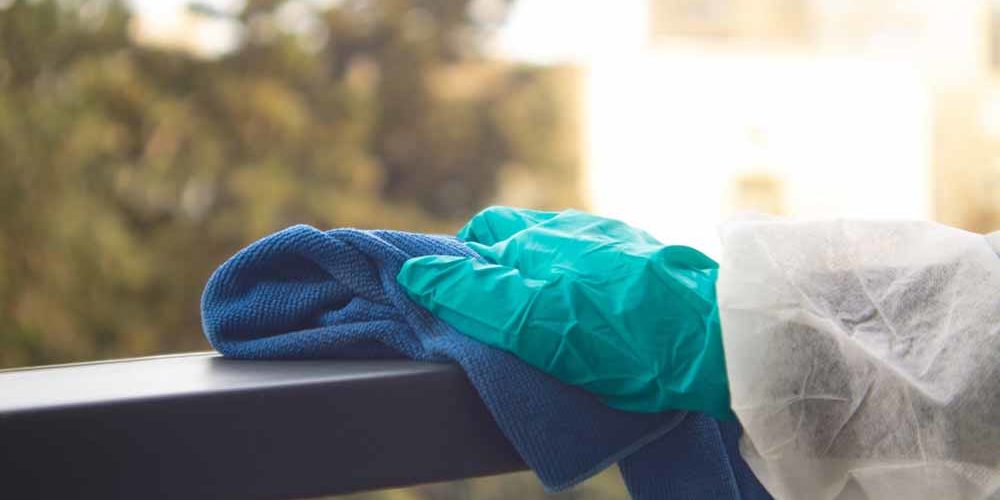
CoronavirusNormativeTecnologiapulizia delle superfici con panno

In seguito all’esplosione del coronavirus, alcuni termini sono entrati in modo dirompente a far parte del linguaggio quotidiano in ognuno di noi, in particolare questi tre: sanificazione, disinfezione e igienizzazione. Spesso sono usato in modo appropriato, in particolare gli ultimi due poiché sono considerati sinonimi.

Tuttavia, la loro definizione risale a un po’ di anni fa ed è possibile trovarla all’interno del d.m. 274/1997 che disciplina le attività di pulizia e affini.

Secondo il d.m. 274/1997, “le attività di disinfezione riguardano il complesso dei procedimenti e operazioni atti a rendere sani determinati ambienti confinati e aree di pertinenza mediante la distruzione o inattivazione di microrganismi patogeni”. Per effettuare tali operazioni vengono utilizzate delle sostante disinfettanti formulate appositamente per diminuire la presenza di virus. Inoltre, le sostanze disinfettanti sono presidi medico-chirurgici e necessitano di una procedura autorizzativa da parte del ministero della Salute per poter essere immessi nel mercato.

Proseguendo, il d.m. 274/1997 specifica che le “attività di sanificazione riguardano il complesso di procedimenti e operazioni atti a rendere sani determinati ambienti mediante l’attività di pulizia e/o di disinfezione e/o di disinfestazione ovvero mediante il controllo e il miglioramento delle condizioni del microclima per quanto riguarda la temperatura, l’umidità e la ventilazione”.

Si tratta quindi di una pulizia più profonda, rispetto alla disinfezione e per la sua realizzazione sono necessarie ditte specializzate.

Prima di procedere con la sanificazione, gli ambienti devono essere prima puliti con un detergente neutro e poi con prodotti contenenti ipoclorito di sodio 0,1%; altrimenti, è possibile utilizzare un detergente neutro e alcol etanolo almeno al 70%. Per i servizi igienici, invece, sono necessari prodotti a base di cloro.

La sanificazione può avvenire tramite un generatore di ozono oppure tramite nebulizzazione con perossido d’idrogeno, etanolo, ipoclorito di sodio.

Con la sanificazione è possibile eliminare la carica batterica e virale presente negli ambienti, ma la sua efficacia è limitata nel tempo. Infatti, è necessario igienizzare frequentemente le superfici e utilizzare apparecchi a ozono per migliorare la qualità dell’aria presente nell’ambiente.
Redazione Kleanoo
Kleanoo © 2026 — Vietata la riproduzione
Condividi questo articolo
Share on FacebookShare on Facebook Share on XShare on X Share on LinkedInShare on LinkedIn Share on WhatsAppShare on WhatsApp

Leggi anche

bidoni differenziata
Pubblicati i nuovi CAM per i rifiuti urbani
9 August 2022
trattamento acque reflue
Depurare le acque reflue per produrre idrogeno verde
26 July 2022
digitalizzazione
R.E.N.T.Ri al Waste Management Europe
19 July 2022
impianto depurazione reflui
Soluzioni digitali per il ciclo dell’acqua
12 July 2022
eeconic mercedes benz
IFAT 2022: presentato l’eEconic di Mercedes
28 June 2022
raccolta differenziata carta e cartone
L’India sostiene lo sviluppo di soluzioni tecnologiche per la gestione dei rifiuti
21 June 2022
Ricerca Articoli
Ultime notizie
  • bidoni differenziata
    Pubblicati i nuovi CAM per i rifiuti urbani
    9 August 2022
  • bidoni differenziata
    New MEC for municipal waste
    9 August 2022
  • raccolta carta e cartone
    Nuovo record per la raccolta di carta e cartone nel 2021
    2 August 2022
  • raccolta carta e cartone
    New record for paper and cardboard collection in 2021
    2 August 2022
  • trattamento acque reflue
    Treat wastewater to produce green hydrogen
    26 July 2022
  • trattamento acque reflue
    Treat wastewater to produce green hydrogen
    26 July 2022
  • trattamento acque reflue
    Depurare le acque reflue per produrre idrogeno verde
    26 July 2022
  • trattamento acque reflue
    Treat wastewater to produce green hydrogen
    26 July 2022
  • trattamento acque reflue
    Treat wastewater to produce green hydrogen
    26 July 2022
  • trattamento acque reflue
    Treat wastewater to produce green hydrogen
    26 July 2022

Differences between sanitation and disinfection

You are here:
  1. Home
  2. Coronavirus
  3. Differences between sanitation and disinfection
CoronavirusLegislationTechnologysurfaces cleaning with cloth

Following the coronavirus explosion, some terms have become part of the everyday language in each of us, in particular these two: sanitation and disinfection/strong> They are often used not in the proper way, especially because many people consider these two terms as synonymouses.

However, their definition dates back to a few years ago and it is possible to find it in the Ministerial Decree 274/1997 which governs cleaning and related activities.
According to Ministerial Decree 274/1997, “the disinfection activities concern the complex of procedures and operations aimed at making certain confined environments and pertinent areas healthy by destroying or inactivating pathogenic microorganisms”. To carry out these operations, disinfectant substances specially formulated to reduce the presence of viruses are used. Furthermore, disinfectants are medical-surgical devices and require an authorization procedure from the Ministry of Health in order to be placed on the market.
Continuing, the Ministerial Decree 274/1997 specifies that the “sanitation activities concern the set of procedures and operations aimed at making certain environments healthy through the cleaning and / or disinfection and / or disinfestation activities or through the control and improvement the conditions of the microclimate with regard to temperature, humidity and ventilation”.

It is therefore a deeper cleaning, compared to disinfection and specialized companies are required for its realization.

Before proceeding with sanitization, the rooms must first be cleaned with a neutral detergent and then with products containing 0.1% sodium hypochlorite; otherwise, you can use a neutral detergent and at least 70% ethanol alcohol. For the toilets, on the other hand, chlorine-based products are needed.

Sanitization can take place through an ozone generator or by nebulization with hydrogen peroxide, ethanol, sodium hypochlorite.

With sanitization it is possible to eliminate the bacterial and viral load present in the environments, but its effectiveness is limited in time. In fact, it is necessary to frequently sanitize surfaces and use ozone appliances to improve the quality of the air present in the environment.

Kleanoo Editorial Staff
Kleanoo © 2026 — Reproduction prohibited
Condividi questo articolo
Share on FacebookShare on Facebook Share on XShare on X Share on LinkedInShare on LinkedIn Share on WhatsAppShare on WhatsApp

Leggi anche

bidoni differenziata
New MEC for municipal waste
9 August 2022
trattamento acque reflue
Treat wastewater to produce green hydrogen
26 July 2022
digitalizzazione
R.E.N.T.Ri at Waste Management Europe
19 July 2022
impianto depurazione reflui
Digital solutions for the water cycle
12 July 2022
eeconic mercedes benz
IFAT 2022: Mercedes’ eEconic unveiled
28 June 2022
raccolta differenziata carta e cartone
India supports the development of technological solutions for waste management
21 June 2022

Differences between sanitation and disinfection

You are here:
  1. Home
  2. Coronavirus
  3. Differences between sanitation and disinfection
CoronavirusRèglementsTechnologiepulizia delle superfici

Following the coronavirus explosion, some terms have become part of the everyday language in each of us, in particular these two: sanitation and disinfection/strong> They are often used not in the proper way, especially because many people consider these two terms as synonymouses.

However, their definition dates back to a few years ago and it is possible to find it in the Ministerial Decree 274/1997 which governs cleaning and related activities.
According to Ministerial Decree 274/1997, “the disinfection activities concern the complex of procedures and operations aimed at making certain confined environments and pertinent areas healthy by destroying or inactivating pathogenic microorganisms”. To carry out these operations, disinfectant substances specially formulated to reduce the presence of viruses are used. Furthermore, disinfectants are medical-surgical devices and require an authorization procedure from the Ministry of Health in order to be placed on the market.
Continuing, the Ministerial Decree 274/1997 specifies that the “sanitation activities concern the set of procedures and operations aimed at making certain environments healthy through the cleaning and / or disinfection and / or disinfestation activities or through the control and improvement the conditions of the microclimate with regard to temperature, humidity and ventilation”.

It is therefore a deeper cleaning, compared to disinfection and specialized companies are required for its realization.

Before proceeding with sanitization, the rooms must first be cleaned with a neutral detergent and then with products containing 0.1% sodium hypochlorite; otherwise, you can use a neutral detergent and at least 70% ethanol alcohol. For the toilets, on the other hand, chlorine-based products are needed.

Sanitization can take place through an ozone generator or by nebulization with hydrogen peroxide, ethanol, sodium hypochlorite.

With sanitization it is possible to eliminate the bacterial and viral load present in the environments, but its effectiveness is limited in time. In fact, it is necessary to frequently sanitize surfaces and use ozone appliances to improve the quality of the air present in the environment.

Kleanoo Editorial Staff
Kleanoo © 2026 — Reproduction prohibited
Condividi questo articolo
Share on FacebookShare on Facebook Share on XShare on X Share on LinkedInShare on LinkedIn Share on WhatsAppShare on WhatsApp

Leggi anche

trattamento acque reflue
Treat wastewater to produce green hydrogen
26 July 2022
impianto depurazione reflui
Digital solutions for the water cycle
12 July 2022
eeconic mercedes benz
IFAT 2022: Mercedes’ eEconic unveiled
28 June 2022
raccolta differenziata carta e cartone
India supports the development of technological solutions for waste management
21 June 2022
silos di acque reflue
Veritas returnes 99.6% of purified water to the environment
14 June 2022
irrigazione in agricoltura
Purified wastewater to fight drought
7 June 2022

Differences between sanitation and disinfection

You are here:
  1. Home
  2. Coronavirus
  3. Differences between sanitation and disinfection
CoronavirusTechnologieVorschriftenpulizia delle superfici

Following the coronavirus explosion, some terms have become part of the everyday language in each of us, in particular these two: sanitation and disinfection/strong> They are often used not in the proper way, especially because many people consider these two terms as synonymouses.

However, their definition dates back to a few years ago and it is possible to find it in the Ministerial Decree 274/1997 which governs cleaning and related activities.
According to Ministerial Decree 274/1997, “the disinfection activities concern the complex of procedures and operations aimed at making certain confined environments and pertinent areas healthy by destroying or inactivating pathogenic microorganisms”. To carry out these operations, disinfectant substances specially formulated to reduce the presence of viruses are used. Furthermore, disinfectants are medical-surgical devices and require an authorization procedure from the Ministry of Health in order to be placed on the market.
Continuing, the Ministerial Decree 274/1997 specifies that the “sanitation activities concern the set of procedures and operations aimed at making certain environments healthy through the cleaning and / or disinfection and / or disinfestation activities or through the control and improvement the conditions of the microclimate with regard to temperature, humidity and ventilation”.

It is therefore a deeper cleaning, compared to disinfection and specialized companies are required for its realization.

Before proceeding with sanitization, the rooms must first be cleaned with a neutral detergent and then with products containing 0.1% sodium hypochlorite; otherwise, you can use a neutral detergent and at least 70% ethanol alcohol. For the toilets, on the other hand, chlorine-based products are needed.

Sanitization can take place through an ozone generator or by nebulization with hydrogen peroxide, ethanol, sodium hypochlorite.

With sanitization it is possible to eliminate the bacterial and viral load present in the environments, but its effectiveness is limited in time. In fact, it is necessary to frequently sanitize surfaces and use ozone appliances to improve the quality of the air present in the environment.

Kleanoo Editorial Staff
Kleanoo © 2026 — Reproduction prohibited
Condividi questo articolo
Share on FacebookShare on Facebook Share on XShare on X Share on LinkedInShare on LinkedIn Share on WhatsAppShare on WhatsApp

Leggi anche

trattamento acque reflue
Treat wastewater to produce green hydrogen
26 July 2022
impianto depurazione reflui
Digital solutions for the water cycle
12 July 2022
eeconic mercedes benz
IFAT 2022: Mercedes’ eEconic unveiled
28 June 2022
raccolta differenziata carta e cartone
India supports the development of technological solutions for waste management
21 June 2022
silos di acque reflue
Veritas returnes 99.6% of purified water to the environment
14 June 2022
irrigazione in agricoltura
Purified wastewater to fight drought
7 June 2022

Differences between sanitation and disinfection

You are here:
  1. Home
  2. Coronavírus
  3. Differences between sanitation and disinfection
CoronavírusLegislaçãoTecnologiapulizia delle superfici

Following the coronavirus explosion, some terms have become part of the everyday language in each of us, in particular these two: sanitation and disinfection/strong> They are often used not in the proper way, especially because many people consider these two terms as synonymouses.

However, their definition dates back to a few years ago and it is possible to find it in the Ministerial Decree 274/1997 which governs cleaning and related activities.
According to Ministerial Decree 274/1997, “the disinfection activities concern the complex of procedures and operations aimed at making certain confined environments and pertinent areas healthy by destroying or inactivating pathogenic microorganisms”. To carry out these operations, disinfectant substances specially formulated to reduce the presence of viruses are used. Furthermore, disinfectants are medical-surgical devices and require an authorization procedure from the Ministry of Health in order to be placed on the market.
Continuing, the Ministerial Decree 274/1997 specifies that the “sanitation activities concern the set of procedures and operations aimed at making certain environments healthy through the cleaning and / or disinfection and / or disinfestation activities or through the control and improvement the conditions of the microclimate with regard to temperature, humidity and ventilation”.

It is therefore a deeper cleaning, compared to disinfection and specialized companies are required for its realization.

Before proceeding with sanitization, the rooms must first be cleaned with a neutral detergent and then with products containing 0.1% sodium hypochlorite; otherwise, you can use a neutral detergent and at least 70% ethanol alcohol. For the toilets, on the other hand, chlorine-based products are needed.

Sanitization can take place through an ozone generator or by nebulization with hydrogen peroxide, ethanol, sodium hypochlorite.

With sanitization it is possible to eliminate the bacterial and viral load present in the environments, but its effectiveness is limited in time. In fact, it is necessary to frequently sanitize surfaces and use ozone appliances to improve the quality of the air present in the environment.

Kleanoo Editorial Staff
Kleanoo © 2026 — Reproduction prohibited
Condividi questo articolo
Share on FacebookShare on Facebook Share on XShare on X Share on LinkedInShare on LinkedIn Share on WhatsAppShare on WhatsApp

Leggi anche

trattamento acque reflue
Treat wastewater to produce green hydrogen
26 July 2022
impianto depurazione reflui
Digital solutions for the water cycle
12 July 2022
eeconic mercedes benz
IFAT 2022: Mercedes’ eEconic unveiled
28 June 2022
raccolta differenziata carta e cartone
India supports the development of technological solutions for waste management
21 June 2022
silos di acque reflue
Veritas returnes 99.6% of purified water to the environment
14 June 2022
irrigazione in agricoltura
Purified wastewater to fight drought
7 June 2022

Differences between sanitation and disinfection

You are here:
  1. Home
  2. Coronavirus
  3. Differences between sanitation and disinfection
CoronavirusNormasTecnologíapulizia delle superfici

Following the coronavirus explosion, some terms have become part of the everyday language in each of us, in particular these two: sanitation and disinfection/strong> They are often used not in the proper way, especially because many people consider these two terms as synonymouses.

However, their definition dates back to a few years ago and it is possible to find it in the Ministerial Decree 274/1997 which governs cleaning and related activities.
According to Ministerial Decree 274/1997, “the disinfection activities concern the complex of procedures and operations aimed at making certain confined environments and pertinent areas healthy by destroying or inactivating pathogenic microorganisms”. To carry out these operations, disinfectant substances specially formulated to reduce the presence of viruses are used. Furthermore, disinfectants are medical-surgical devices and require an authorization procedure from the Ministry of Health in order to be placed on the market.
Continuing, the Ministerial Decree 274/1997 specifies that the “sanitation activities concern the set of procedures and operations aimed at making certain environments healthy through the cleaning and / or disinfection and / or disinfestation activities or through the control and improvement the conditions of the microclimate with regard to temperature, humidity and ventilation”.

It is therefore a deeper cleaning, compared to disinfection and specialized companies are required for its realization.

Before proceeding with sanitization, the rooms must first be cleaned with a neutral detergent and then with products containing 0.1% sodium hypochlorite; otherwise, you can use a neutral detergent and at least 70% ethanol alcohol. For the toilets, on the other hand, chlorine-based products are needed.

Sanitization can take place through an ozone generator or by nebulization with hydrogen peroxide, ethanol, sodium hypochlorite.

With sanitization it is possible to eliminate the bacterial and viral load present in the environments, but its effectiveness is limited in time. In fact, it is necessary to frequently sanitize surfaces and use ozone appliances to improve the quality of the air present in the environment.

Kleanoo Editorial Staff
Kleanoo © 2026 — Reproduction prohibited
Condividi questo articolo
Share on FacebookShare on Facebook Share on XShare on X Share on LinkedInShare on LinkedIn Share on WhatsAppShare on WhatsApp

Leggi anche

trattamento acque reflue
Treat wastewater to produce green hydrogen
26 July 2022
impianto depurazione reflui
Digital solutions for the water cycle
12 July 2022
eeconic mercedes benz
IFAT 2022: Mercedes’ eEconic unveiled
28 June 2022
raccolta differenziata carta e cartone
India supports the development of technological solutions for waste management
21 June 2022
silos di acque reflue
Veritas returnes 99.6% of purified water to the environment
14 June 2022
irrigazione in agricoltura
Purified wastewater to fight drought
7 June 2022
Informazioni di Contatto
Utilizza i recapiti sottostanti per poterti mettere in contatto con un membro del nostro team. In alternativa puoi compilare il form per inviarci un messaggio.
  • Indirizzo
    Via Marco Beato Ongaro 11
    31015 Conegliano (TV)
  • Telefono
    +39 353 439 9515
    +39 0438 1963696
  • E-mail
    info@kleanoo.com

    Kleanoo
    Kleanoo © 2026
    Kleanoo è un marchio registrato di Vakoom Srl
    Partita IVA: IT 03945270266
    Site design by ADMP
    • Privacy Policy
    • Cookie Policy
    Menu Footer

    Go to Top