

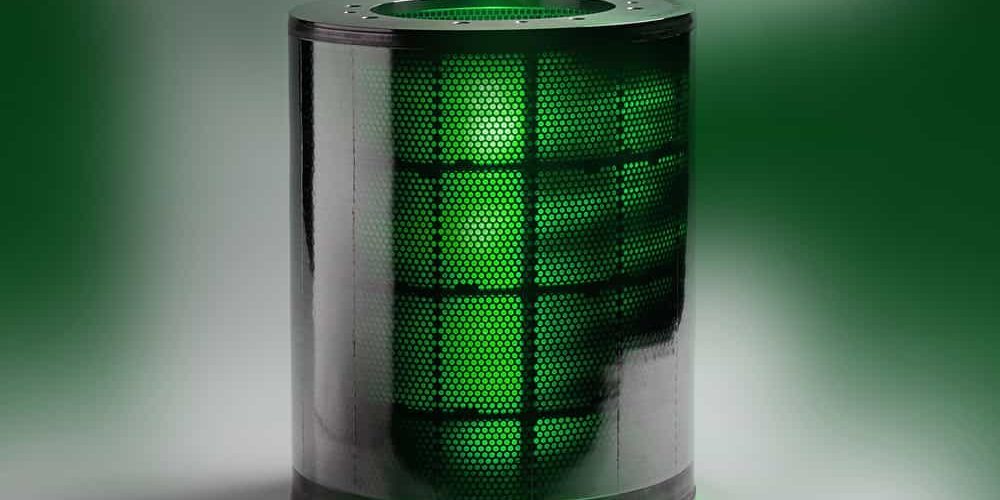
Uno degli obiettivi fondamentali durante il trattamento e la purificazione delle acque reflue è eliminare le micro particelle di plastica presenti. Ora esiste un nuovo strumento capace di fare ciò: il filtro anti microplastiche forato da laser, primo al mondo nel suo genere.
Non è la prima volta che viene utilizzata la tecnologia laser a supporto dell’ambiente e della sostenibilità; ora, però, viene applicata anche alla rimozione del contaminante più diffuso al mondo: la plastica.
Utilizzando il processo multiraggio, il laser viene scisso in più raggi contemporaneamente, realizzando un gran numero di fori sulla piastra filtrante in un tempo considerevolmente ridotto rispetto a quello necessario nella comune tecnologia laser.
Sono più di 59 milioni i piccolissimi buchi che vengono realizzati, ognuno con un diametro di soli 10 micrometri.
L’innovazione tecnologica, frutto di diversi decenni di ricerche presso il Fraunhofer Institute for Laser Technology ILT, nasce dalla collaborazione tra l’istituto tedesco e tre imprese del settore.
Fin dal primo esperimento, il filtro si è dimostrato molto efficace: è stato in grado di ripulire acqua contaminata dalla polvere delle stampanti 3D.
In questo momento si stanno svolgendo le sperimentazioni per verificarne l’efficacia per il trattamento dei reflui in situazioni reali.