


Skip to content
Kleanoo
The Eco-Network
KleanooKleanoo
  • Compra & VendiIn modo semplice, veloce e sicuro
  • Portale NotizieTecnologie, innovazioni e normative
  • Pronta ConsegnaVeicoli in pronta consegna by Vakoom
  • ContattiHai un dubbio o una domanda?
Chiudi Menu
  • Compra & VendiIn modo semplice, veloce e sicuro
  • Portale NotizieTecnologie, innovazioni e normative
  • Pronta ConsegnaVeicoli in pronta consegna by Vakoom
  • ContattiHai un dubbio o una domanda?

Hygenical practices over the centuries

You are here:
  1. Home
  2. Coronavirus
  3. Hygenical practices over the centuries
Coronavirus

What is the history of hyigiene practices? In the past that kind of rituals were not so common. During Neolithic times, people used to wash themselves and trasport water with leather earthen, shell containers and other objects, boiled on hot stones. In ancien Egypt a lot of people used to bath using jugs full of water, transported by servants to their master’s body. In ancient egyptian tombs there were found perfumes and soap: people usually rubbed themselvers daily after bathing with a mixture of unguent, vegetable oil or animal excerpt. This practise was very useful to protect from drying out in the harsh climate.

Romans built bathouses and considered them as a centre of their social lives, where they used to conspire and organize political plots too. The rich palaces and mansions were connected by pipes to the aqueducts, and washing was a daily ritual with soaps made with olive oli.

Cleaning clothes is another chapter. That is because the practice of cleaning them was not so common in ancient times. Most peopole usually washed clothes with urine, which acted like a sanitiser thanks to ammonia.

During Renaissance, the Black Plague and other contagions produced bathhouses’ death: people thought that, during the bath, skin pores opened and illnesses were able to enter in the organism. For this reason a lot of people didn’t wash themselves: they tried to protect with dirt.

In the Middle Ages the advent of early Christians reduced bath rituals because of the idea of a promiscuous practices during the common experience in the water. Christians wanted to separated themselves from Romans habits. For this reason, wash off dirt and grime was considered a bad habit.

Writers used to warn peopole about correct and hygenical practices, like don’t blow the nose on their hands and not wipe it on the clothes or brush the teeth and the face daily. Rich people required to wash their hands before a meal and they bonded their clothes with sweet smelling roots and boiled them in water to perfume them. That is because before the late 1800s the scents were very useful to cover bad smells.

The first shampoo was introduced by the Bengali entrepreneur Shekh Din Muhammad in 1814: it is demonstrated that the habit of cleanliness was imported from Asia.

Bath ritual is normally a family affair in the lower classes, and a collective affair in upper classes, which involved a lot of servants or slaves. The process was long: first the men, then the women, then the children and the babies. They used the same water in a big tub, with self evident bad hygenic conditions.

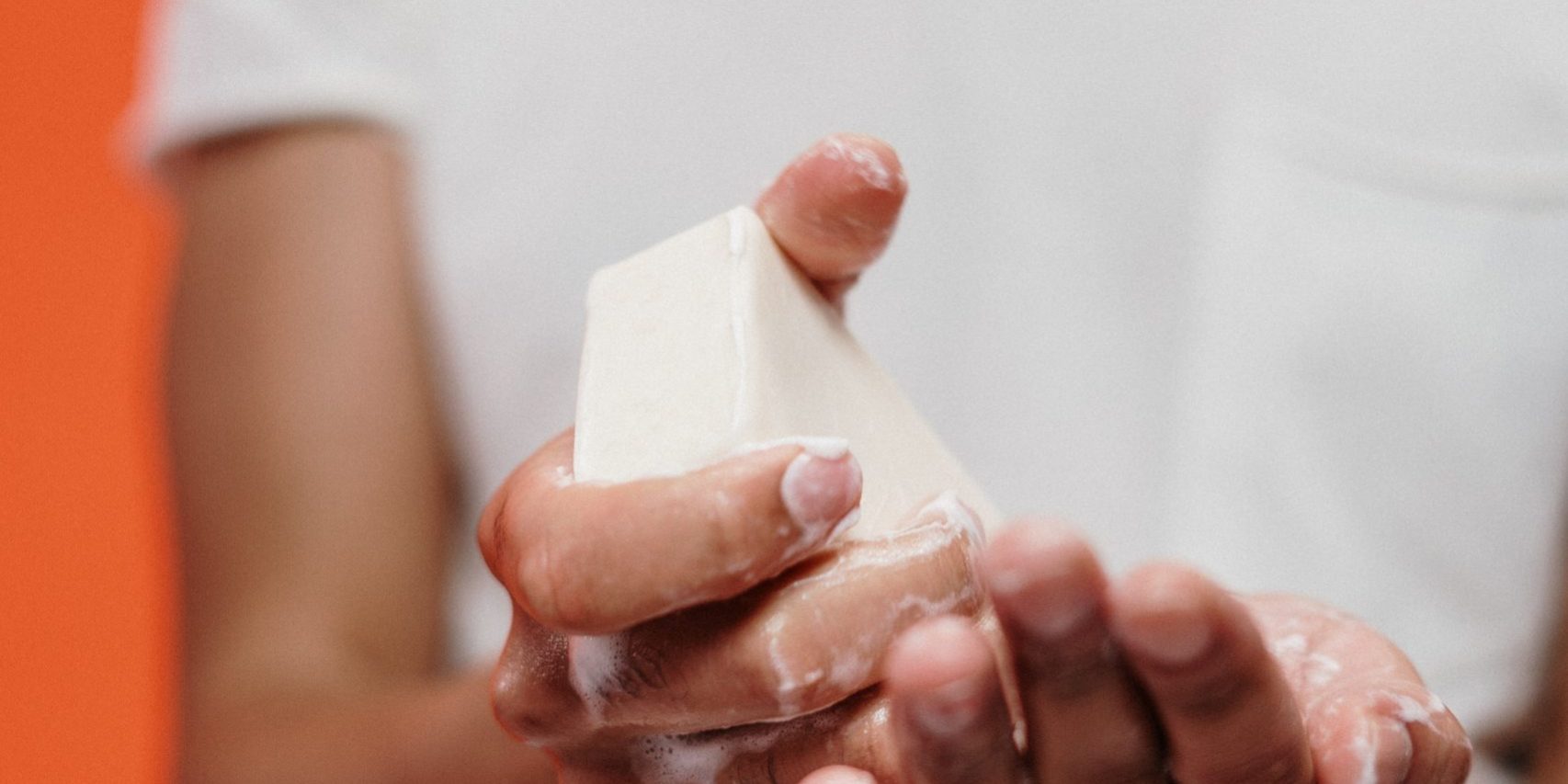
The first soap was launched in 1884, it was called Sunlight. Thanks to Industrial Revolution and the birth of microbiological and macrobiological sciences, people changed their mind about hygenical rituals. They are been included to personal and public healthcare in the first half of the 20th century. In 1911, five-and-a-half-millions visitors went to the first International Hygiene Exhibition in Dresden, Germany.

Condividi questo articolo
Share on FacebookShare on Facebook Share on XShare on X Share on LinkedInShare on LinkedIn Share on WhatsAppShare on WhatsApp

Leggi anche

pulizia delle superfici
Differences between sanitation and disinfection
7 March 2022
pulizia professionale
EFCI Report 2021: impact of Covid-19 on the cleaning sector
7 February 2022
macchinario per costruzione
The italian construction machinery market is growing
10 September 2021
The sale of construction machinery is stable in 2020
17 May 2021
CLEANLINESS OF TOWN AND STREETS IN THE PAST
6 December 2020
Spanish public transport
Spanish public transport and the spread of Coronavirus
20 July 2020
Richiedi informazioni

Questo veicolo si trova in un sito esterno. Per informazioni chiamaci al +39 353 439 9515 oppure compila il form sottostante.

    I dati si intendono forniti a semplice titolo indicativo e non impegnativo. Kleanoo si riserva di apportare modifiche in qualunque momento e senza pubblico avviso.

    Hygenical practices over the centuries

    You are here:
    1. Home
    2. Coronavirus
    3. Hygenical practices over the centuries
    Coronavirus

    What is the history of hyigiene practices? In the past that kind of rituals were not so common. During Neolithic times, people used to wash themselves and trasport water with leather earthen, shell containers and other objects, boiled on hot stones. In ancien Egypt a lot of people used to bath using jugs full of water, transported by servants to their master’s body. In ancient egyptian tombs there were found perfumes and soap: people usually rubbed themselvers daily after bathing with a mixture of unguent, vegetable oil or animal excerpt. This practise was very useful to protect from drying out in the harsh climate.

    Romans built bathouses and considered them as a centre of their social lives, where they used to conspire and organize political plots too. The rich palaces and mansions were connected by pipes to the aqueducts, and washing was a daily ritual with soaps made with olive oli.

    Cleaning clothes is another chapter. That is because the practice of cleaning them was not so common in ancient times. Most peopole usually washed clothes with urine, which acted like a sanitiser thanks to ammonia.

    During Renaissance, the Black Plague and other contagions produced bathhouses’ death: people thought that, during the bath, skin pores opened and illnesses were able to enter in the organism. For this reason a lot of people didn’t wash themselves: they tried to protect with dirt.

    In the Middle Ages the advent of early Christians reduced bath rituals because of the idea of a promiscuous practices during the common experience in the water. Christians wanted to separated themselves from Romans habits. For this reason, wash off dirt and grime was considered a bad habit.

    Writers used to warn peopole about correct and hygenical practices, like don’t blow the nose on their hands and not wipe it on the clothes or brush the teeth and the face daily. Rich people required to wash their hands before a meal and they bonded their clothes with sweet smelling roots and boiled them in water to perfume them. That is because before the late 1800s the scents were very useful to cover bad smells.

    The first shampoo was introduced by the Bengali entrepreneur Shekh Din Muhammad in 1814: it is demonstrated that the habit of cleanliness was imported from Asia.

    Bath ritual is normally a family affair in the lower classes, and a collective affair in upper classes, which involved a lot of servants or slaves. The process was long: first the men, then the women, then the children and the babies. They used the same water in a big tub, with self evident bad hygenic conditions.

    The first soap was launched in 1884, it was called Sunlight. Thanks to Industrial Revolution and the birth of microbiological and macrobiological sciences, people changed their mind about hygenical rituals. They are been included to personal and public healthcare in the first half of the 20th century. In 1911, five-and-a-half-millions visitors went to the first International Hygiene Exhibition in Dresden, Germany.

    Condividi questo articolo
    Share on FacebookShare on Facebook Share on XShare on X Share on LinkedInShare on LinkedIn Share on WhatsAppShare on WhatsApp

    Leggi anche

    pulizia delle superfici
    Differences between sanitation and disinfection
    7 March 2022
    pulizia professionale
    EFCI Report 2021: impact of Covid-19 on the cleaning sector
    7 February 2022
    macchinario per costruzione
    The italian construction machinery market is growing
    10 September 2021
    The sale of construction machinery is stable in 2020
    17 May 2021
    CLEANLINESS OF TOWN AND STREETS IN THE PAST
    6 December 2020
    Spanish public transport
    Spanish public transport and the spread of Coronavirus
    20 July 2020

    Pratiche igieniche nel corso dei secoli

    You are here:
    1. Home
    2. Coronavirus
    3. Pratiche igieniche nel corso dei…
    Coronavirus

    Qual è la storia delle pratiche igieniche? In passato quel tipo di rituali non erano così comuni. Durante il Neolitico, le persone usavano lavarsi e trasportare l’acqua con cuoio, terracotta, contenitori di conchiglie e altri oggetti, bolliti su pietre calde. Nell ‘antico Egitto molte persone usavano fare il bagno utilizzando brocche piene d’acqua, trasportate dai servi fino al corpo del loro padrone. Nelle antiche tombe egizie sono stati trovati profumi e sapone: le persone solitamente si strofinavano quotidianamente dopo il bagno con una miscela di unguenti, olio vegetale o estratti di animali. Questa pratica era molto utile per proteggersi dall’asciugarsi nel clima rigido.

    I romani costruivano bagni termali e li consideravano il centro della loro vita sociale, dove cospiravano e organizzavano anche trame politiche. I ricchi palazzi erano collegati da tubi agli acquedotti, e il lavaggio era un rito quotidiano con saponi a base di olio d’oliva.

    La pulizia dei vestiti è un altro capitolo. Questo perché la pratica di pulirli non era così comune nei tempi antichi. La maggior parte delle persone di solito lavava i vestiti con l’urina, che agiva come un disinfettante grazie all’ammoniaca.

    Durante il Rinascimento, la peste nera e altri contagi provocavano la morte dei bagni termali: si pensava che, durante il bagno, i pori della pelle si aprissero e le malattie potessero entrare nell’organismo. Per questo motivo molte persone non si lavavano: cercavano di proteggersi con lo sporco.

    Nel Medioevo l’ avvento dei primi cristiani ridusse i rituali del bagno a causa dell’idea di pratiche promiscue durante l’esperienza comune nell’acqua. I cristiani volevano separarsi dalle abitudini dei romani. Per questo motivo, lavare via lo sporco e la sporcizia era considerata una cattiva abitudine.

    Gli scrittori erano soliti mettere in guardia le persone sulle pratiche corrette e igieniche, come non soffiarsi il naso sulle mani e non pulirlo sui vestiti o lavarsi i denti e il viso ogni giorno. I ricchi richiedevano di lavarsi le mani prima di un pasto, legavano i loro vestiti con radici profumate e li facevano bollire in acqua per profumarli. Questo perché prima della fine del 1800 i profumi erano molto utili per coprire i cattivi odori.

    Il primo shampoo fu introdotto dall’imprenditore bengalese Shekh Din Muhammad nel 1814: è dimostrato che l’abitudine alla pulizia fu importata dall’Asia.

    Il rituale del bagno è normalmente un affare di famiglia nelle classi inferiori e un affare collettivo nelle classi superiori, che coinvolge molti servi o schiavi. Il processo è stato lungo: prima gli uomini, poi le donne, poi i bambini e i neonati. Usavano la stessa acqua in una grande vasca, con evidenti pessime condizioni igieniche.

    Il primo sapone fu lanciato nel 1884, si chiamava Sunlight. Grazie alla Rivoluzione Industriale e alla nascita delle scienze microbiologiche e macrobiologiche, le persone hanno cambiato idea sui rituali igienici. Sono stati inclusi nell’assistenza sanitaria personale e pubblica nella prima metà del XX secolo. Nel 1911, cinque milioni e mezzo di visitatori andarono alla prima Esposizione Internazionale dell’Igiene a Dresda, in Germania.


    Redazione Kleanoo
    Kleanoo © 2025 — Vietata la riproduzione
    Condividi questo articolo
    Share on FacebookShare on Facebook Share on XShare on X Share on LinkedInShare on LinkedIn Share on WhatsAppShare on WhatsApp

    Leggi anche

    pulizia delle superfici con panno
    Differenze tra sanificazione e disinfezione
    7 March 2022
    pulizia professionale
    Rapporto EFCI 2021: impatto del covid-19 sul settore delle pulizie
    7 February 2022
    macchinario per costruzione
    In crescita il mercato italiano di macchine per costruzioni
    10 September 2021
    Stabile nel 2020 la vendita dei macchinari per costruzione
    17 May 2021
    Pulizia di città e strade in passato
    6 December 2020
    trasporto pubblico spagnolo
    Il trasporto pubblico spagnolo e la diffusione del Coronavirus
    20 July 2020

    Hygenical practices over the centuries

    You are here:
    1. Home
    2. Coronavírus
    3. Hygenical practices over the centuries
    Coronavírus

    What is the history of hyigiene practices? In the past that kind of rituals were not so common. During Neolithic times, people used to wash themselves and trasport water with leather earthen, shell containers and other objects, boiled on hot stones. In ancien Egypt a lot of people used to bath using jugs full of water, transported by servants to their master’s body. In ancient egyptian tombs there were found perfumes and soap: people usually rubbed themselvers daily after bathing with a mixture of unguent, vegetable oil or animal excerpt. This practise was very useful to protect from drying out in the harsh climate.

    Romans built bathouses and considered them as a centre of their social lives, where they used to conspire and organize political plots too. The rich palaces and mansions were connected by pipes to the aqueducts, and washing was a daily ritual with soaps made with olive oli.

    Cleaning clothes is another chapter. That is because the practice of cleaning them was not so common in ancient times. Most peopole usually washed clothes with urine, which acted like a sanitiser thanks to ammonia.

    During Renaissance, the Black Plague and other contagions produced bathhouses’ death: people thought that, during the bath, skin pores opened and illnesses were able to enter in the organism. For this reason a lot of people didn’t wash themselves: they tried to protect with dirt.

    In the Middle Ages the advent of early Christians reduced bath rituals because of the idea of a promiscuous practices during the common experience in the water. Christians wanted to separated themselves from Romans habits. For this reason, wash off dirt and grime was considered a bad habit.

    Writers used to warn peopole about correct and hygenical practices, like don’t blow the nose on their hands and not wipe it on the clothes or brush the teeth and the face daily. Rich people required to wash their hands before a meal and they bonded their clothes with sweet smelling roots and boiled them in water to perfume them. That is because before the late 1800s the scents were very useful to cover bad smells.

    The first shampoo was introduced by the Bengali entrepreneur Shekh Din Muhammad in 1814: it is demonstrated that the habit of cleanliness was imported from Asia.

    Bath ritual is normally a family affair in the lower classes, and a collective affair in upper classes, which involved a lot of servants or slaves. The process was long: first the men, then the women, then the children and the babies. They used the same water in a big tub, with self evident bad hygenic conditions.

    The first soap was launched in 1884, it was called Sunlight. Thanks to Industrial Revolution and the birth of microbiological and macrobiological sciences, people changed their mind about hygenical rituals. They are been included to personal and public healthcare in the first half of the 20th century. In 1911, five-and-a-half-millions visitors went to the first International Hygiene Exhibition in Dresden, Germany.

    Condividi questo articolo
    Share on FacebookShare on Facebook Share on XShare on X Share on LinkedInShare on LinkedIn Share on WhatsAppShare on WhatsApp

    Leggi anche

    pulizia delle superfici
    Differences between sanitation and disinfection
    7 March 2022
    pulizia professionale
    EFCI Report 2021: impact of Covid-19 on the cleaning sector
    7 February 2022
    macchinario per costruzione
    The italian construction machinery market is growing
    10 September 2021
    The sale of construction machinery is stable in 2020
    17 May 2021
    CLEANLINESS OF TOWN AND STREETS IN THE PAST
    6 December 2020
    trasporto pubblico spagnolo
    Spanish public transport and the spread of Coronavirus
    20 July 2020

    Hygenical practices over the centuries

    You are here:
    1. Home
    2. Coronavirus
    3. Hygenical practices over the centuries
    Coronavirus

    What is the history of hyigiene practices? In the past that kind of rituals were not so common. During Neolithic times, people used to wash themselves and trasport water with leather earthen, shell containers and other objects, boiled on hot stones. In ancien Egypt a lot of people used to bath using jugs full of water, transported by servants to their master’s body. In ancient egyptian tombs there were found perfumes and soap: people usually rubbed themselvers daily after bathing with a mixture of unguent, vegetable oil or animal excerpt. This practise was very useful to protect from drying out in the harsh climate.

    Romans built bathouses and considered them as a centre of their social lives, where they used to conspire and organize political plots too. The rich palaces and mansions were connected by pipes to the aqueducts, and washing was a daily ritual with soaps made with olive oli.

    Cleaning clothes is another chapter. That is because the practice of cleaning them was not so common in ancient times. Most peopole usually washed clothes with urine, which acted like a sanitiser thanks to ammonia.

    During Renaissance, the Black Plague and other contagions produced bathhouses’ death: people thought that, during the bath, skin pores opened and illnesses were able to enter in the organism. For this reason a lot of people didn’t wash themselves: they tried to protect with dirt.

    In the Middle Ages the advent of early Christians reduced bath rituals because of the idea of a promiscuous practices during the common experience in the water. Christians wanted to separated themselves from Romans habits. For this reason, wash off dirt and grime was considered a bad habit.

    Writers used to warn peopole about correct and hygenical practices, like don’t blow the nose on their hands and not wipe it on the clothes or brush the teeth and the face daily. Rich people required to wash their hands before a meal and they bonded their clothes with sweet smelling roots and boiled them in water to perfume them. That is because before the late 1800s the scents were very useful to cover bad smells.

    The first shampoo was introduced by the Bengali entrepreneur Shekh Din Muhammad in 1814: it is demonstrated that the habit of cleanliness was imported from Asia.

    Bath ritual is normally a family affair in the lower classes, and a collective affair in upper classes, which involved a lot of servants or slaves. The process was long: first the men, then the women, then the children and the babies. They used the same water in a big tub, with self evident bad hygenic conditions.

    The first soap was launched in 1884, it was called Sunlight. Thanks to Industrial Revolution and the birth of microbiological and macrobiological sciences, people changed their mind about hygenical rituals. They are been included to personal and public healthcare in the first half of the 20th century. In 1911, five-and-a-half-millions visitors went to the first International Hygiene Exhibition in Dresden, Germany.

    Condividi questo articolo
    Share on FacebookShare on Facebook Share on XShare on X Share on LinkedInShare on LinkedIn Share on WhatsAppShare on WhatsApp

    Leggi anche

    pulizia delle superfici
    Differences between sanitation and disinfection
    7 March 2022
    pulizia professionale
    EFCI Report 2021: impact of Covid-19 on the cleaning sector
    7 February 2022
    macchinario per costruzione
    The italian construction machinery market is growing
    10 September 2021
    The sale of construction machinery is stable in 2020
    17 May 2021
    CLEANLINESS OF TOWN AND STREETS IN THE PAST
    6 December 2020
    Spanish public transport and the spread of Coronavirus
    20 July 2020

    Hygenical practices over the centuries

    You are here:
    1. Home
    2. Coronavirus
    3. Hygenical practices over the centuries
    Coronavirus

    What is the history of hyigiene practices? In the past that kind of rituals were not so common. During Neolithic times, people used to wash themselves and trasport water with leather earthen, shell containers and other objects, boiled on hot stones. In ancien Egypt a lot of people used to bath using jugs full of water, transported by servants to their master’s body. In ancient egyptian tombs there were found perfumes and soap: people usually rubbed themselvers daily after bathing with a mixture of unguent, vegetable oil or animal excerpt. This practise was very useful to protect from drying out in the harsh climate.

    Romans built bathouses and considered them as a centre of their social lives, where they used to conspire and organize political plots too. The rich palaces and mansions were connected by pipes to the aqueducts, and washing was a daily ritual with soaps made with olive oli.

    Cleaning clothes is another chapter. That is because the practice of cleaning them was not so common in ancient times. Most peopole usually washed clothes with urine, which acted like a sanitiser thanks to ammonia.

    During Renaissance, the Black Plague and other contagions produced bathhouses’ death: people thought that, during the bath, skin pores opened and illnesses were able to enter in the organism. For this reason a lot of people didn’t wash themselves: they tried to protect with dirt.

    In the Middle Ages the advent of early Christians reduced bath rituals because of the idea of a promiscuous practices during the common experience in the water. Christians wanted to separated themselves from Romans habits. For this reason, wash off dirt and grime was considered a bad habit.

    Writers used to warn peopole about correct and hygenical practices, like don’t blow the nose on their hands and not wipe it on the clothes or brush the teeth and the face daily. Rich people required to wash their hands before a meal and they bonded their clothes with sweet smelling roots and boiled them in water to perfume them. That is because before the late 1800s the scents were very useful to cover bad smells.

    The first shampoo was introduced by the Bengali entrepreneur Shekh Din Muhammad in 1814: it is demonstrated that the habit of cleanliness was imported from Asia.

    Bath ritual is normally a family affair in the lower classes, and a collective affair in upper classes, which involved a lot of servants or slaves. The process was long: first the men, then the women, then the children and the babies. They used the same water in a big tub, with self evident bad hygenic conditions.

    The first soap was launched in 1884, it was called Sunlight. Thanks to Industrial Revolution and the birth of microbiological and macrobiological sciences, people changed their mind about hygenical rituals. They are been included to personal and public healthcare in the first half of the 20th century. In 1911, five-and-a-half-millions visitors went to the first International Hygiene Exhibition in Dresden, Germany.

    Condividi questo articolo
    Share on FacebookShare on Facebook Share on XShare on X Share on LinkedInShare on LinkedIn Share on WhatsAppShare on WhatsApp

    Leggi anche

    surfaces cleaning with cloth
    Differences between sanitation and disinfection
    7 March 2022
    professional cleaning
    EFCI Report 2021: impact of Covid-19 on the cleaning sector
    7 February 2022
    construction machinery
    The italian construction machinery market is growing
    10 September 2021
    The sale of construction machinery is stable in 2020
    17 May 2021
    CLEANLINESS OF TOWN AND STREETS IN THE PAST
    6 December 2020
    Spanish public transport
    Spanish public transport and the spread of Coronavirus
    20 July 2020
    Informazioni di Contatto
    Utilizza i recapiti sottostanti per poterti mettere in contatto con un membro del nostro team. In alternativa puoi compilare il form per inviarci un messaggio.
    • Indirizzo
      Via Marco Beato Ongaro 11
      31015 Conegliano (TV)
    • Telefono
      +39 353 439 9515
      +39 0438 1963696
    • E-mail
      info@kleanoo.com

      Kleanoo
      Kleanoo © 2025
      Kleanoo è un marchio registrato di Vakoom Srl
      Partita IVA: IT 03945270266
      Site design by ADMP
      • Privacy Policy
      • Cookie Policy
      Menu Footer

      Go to Top