

Skip to content
Kleanoo
The Eco-Network
KleanooKleanoo
  • Compra & VendiIn modo semplice, veloce e sicuro
  • Portale NotizieTecnologie, innovazioni e normative
  • Pronta ConsegnaVeicoli in pronta consegna by Vakoom
  • ContattiHai un dubbio o una domanda?
Chiudi Menu
  • Compra & VendiIn modo semplice, veloce e sicuro
  • Portale NotizieTecnologie, innovazioni e normative
  • Pronta ConsegnaVeicoli in pronta consegna by Vakoom
  • ContattiHai un dubbio o una domanda?

SPECIAL WASTE IN ITALY: THE PHOTOGRAPHY OF 2018

You are here:
  1. Home
  2. Ecología
  3. SPECIAL WASTE IN ITALY: THE…
Ecología

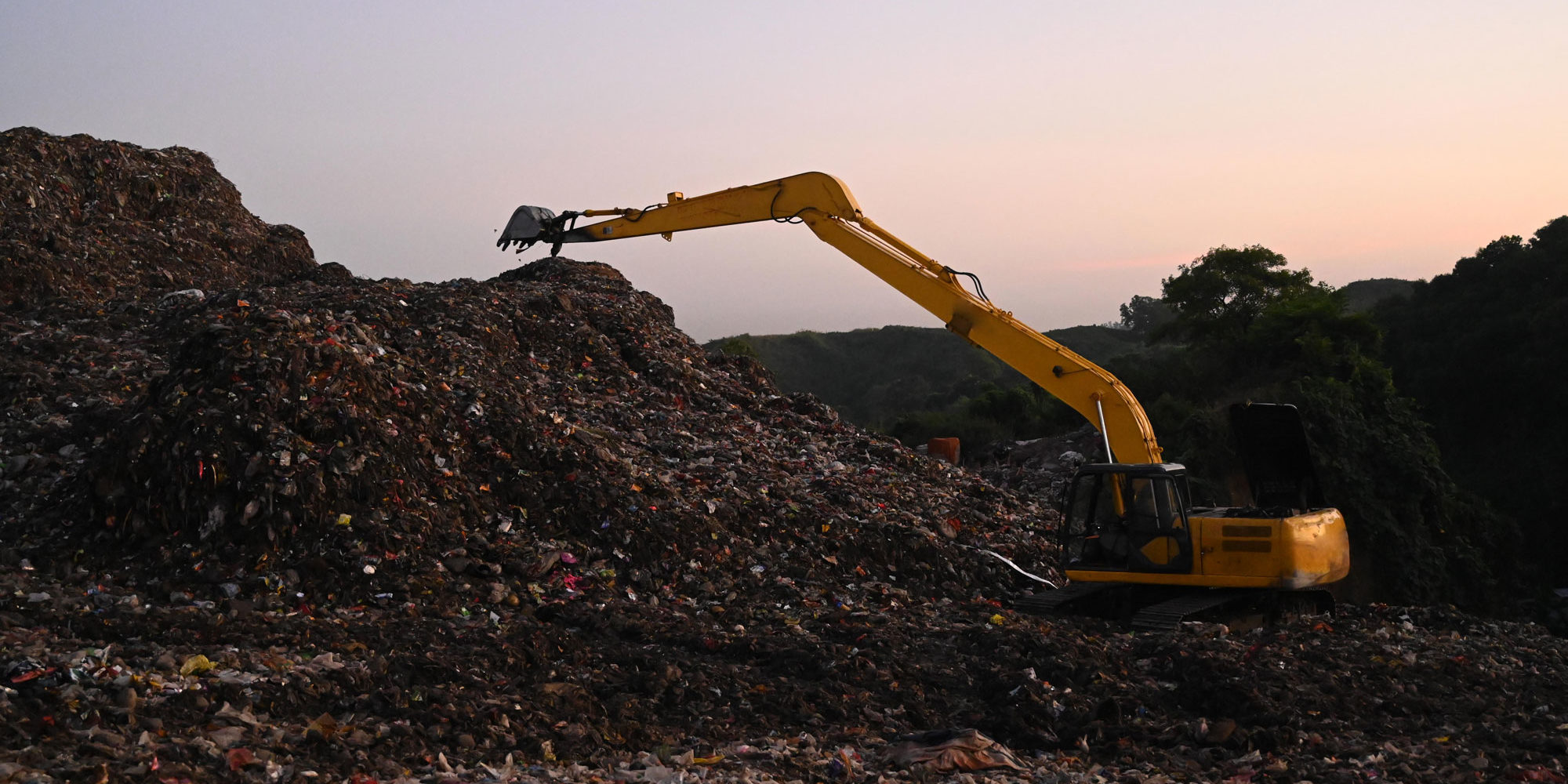
The Institute for Environmental Protection and Research of the Ministry of the Environment, ISPRA, has recently released the 2018 data on a report about special waste in Italy. A research that, in light of the Covid-19 pandemic, is the mirror of a country before this serious crisis, but which reveals much of our habits.

Among the most significant data, the 143.5 million tons of special waste produced in 2018, increased compared to the previous year by 4.6 million tons and 6.4% compared to 2016.

The idea of the National Waste Prevention Programme was to reduce production for the current year by 10% per unit of GDP, but it is clear that, in light of the health emergency, this target will not be easily achieved.

Many increases have been recorded: hazardous waste reached the threshold of 10 million tons in 2018, while non-hazardous waste shows +4.2 million tons. +6.6% compared to 2017 for construction and demolition waste, while in the industrial and manufacturing sector there is a slight decrease, from 29.9 million tons in 2017 to 28.6 million tons in 2018.

In terms of disposal, there was a reduction in the use of landfills from 8.2% to 7.8%, but also a real decrease in landfills: in 2016 there were 360 landfills, in 2018 they stood at 310. The use on incineration stabilises at 0.8%, but alternative disposal, such as biological treatment, which in 2018 involved 11% of waste, is also increasing.

As far as a recovery is concerned, Italy shows a slight increase, recovering about 67.7% of special waste amounting to 103 million tons, unlike in 2017 which was 101 million tons. However, our country exports about 3.5 million tons, in particular those produced by treatment plants. Conversely, we import non-hazardous waste that can be easily recycled, and in 2018 there was a 10% increase in this area.

Clear at this point the national panorama, which shows a country with great criticality as regards the recovery and use of landfills especially to manage hazardous waste, which consequently we export more frequently. Finally, the management of 2019 and especially 2020 will have to be observed in this scenario, which will certainly have brought transformations also due to the lockdown and the waste produced during the crisis.

REDACCIÓN KLEANOO
Kleanoo © 2025 — Prohibida la reproducción
Condividi questo articolo
Share on FacebookShare on Facebook Share on XShare on X Share on LinkedInShare on LinkedIn Share on WhatsAppShare on WhatsApp

Leggi anche

trattamento acque reflue
Treat wastewater to produce green hydrogen
26 July 2022
silos di acque reflue
Veritas returnes 99.6% of purified water to the environment
14 June 2022
irrigazione in agricoltura
Purified wastewater to fight drought
7 June 2022
ladurner equipment full electric
Full electric vehicles of Ladurner Equipment in Naples: waste collection changes
24 May 2022
emissioni industriali
Producing energy from waste: first italian zero-emission biorefinery
17 May 2022
asfalto con impronte di scarpe
Modified asphalts: new life for ELT-recycled rubber
10 May 2022
Richiedi informazioni

Questo veicolo si trova in un sito esterno. Per informazioni chiamaci al +39 353 439 9515 oppure compila il form sottostante.

    I dati si intendono forniti a semplice titolo indicativo e non impegnativo. Kleanoo si riserva di apportare modifiche in qualunque momento e senza pubblico avviso.

    SPECIAL WASTE IN ITALY: THE PHOTOGRAPHY OF 2018

    You are here:
    1. Home
    2. Environment
    3. SPECIAL WASTE IN ITALY: THE…
    EnvironmentSPECIAL WASTE IN ITALY

    The Institute for Environmental Protection and Research of the Ministry of the Environment, ISPRA, has recently released the 2018 data on a report about special waste in Italy. A research that, in light of the Covid-19 pandemic, is the mirror of a country before this serious crisis, but which reveals much of our habits.

    Among the most significant data, the 143.5 million tons of special waste produced in 2018, increased compared to the previous year by 4.6 million tons and 6.4% compared to 2016.

    The idea of the National Waste Prevention Programme was to reduce production for the current year by 10% per unit of GDP, but it is clear that, in light of the health emergency, this target will not be easily achieved.

    Many increases have been recorded: hazardous waste reached the threshold of 10 million tons in 2018, while non-hazardous waste shows +4.2 million tons. +6.6% compared to 2017 for construction and demolition waste, while in the industrial and manufacturing sector there is a slight decrease, from 29.9 million tons in 2017 to 28.6 million tons in 2018.

    In terms of disposal, there was a reduction in the use of landfills from 8.2% to 7.8%, but also a real decrease in landfills: in 2016 there were 360 landfills, in 2018 they stood at 310. The use on incineration stabilises at 0.8%, but alternative disposal, such as biological treatment, which in 2018 involved 11% of waste, is also increasing.

    As far as a recovery is concerned, Italy shows a slight increase, recovering about 67.7% of special waste amounting to 103 million tons, unlike in 2017 which was 101 million tons. However, our country exports about 3.5 million tons, in particular those produced by treatment plants. Conversely, we import non-hazardous waste that can be easily recycled, and in 2018 there was a 10% increase in this area.

    Clear at this point the national panorama, which shows a country with great criticality as regards the recovery and use of landfills especially to manage hazardous waste, which consequently we export more frequently. Finally, the management of 2019 and especially 2020 will have to be observed in this scenario, which will certainly have brought transformations also due to the lockdown and the waste produced during the crisis.

    KLEANOO EDITORIAL STAFF

    Kleanoo © 2025 — Reproduction prohibited

    Condividi questo articolo
    Share on FacebookShare on Facebook Share on XShare on X Share on LinkedInShare on LinkedIn Share on WhatsAppShare on WhatsApp

    Leggi anche

    bidoni differenziata
    New MEC for municipal waste
    9 August 2022
    raccolta carta e cartone
    New record for paper and cardboard collection in 2021
    2 August 2022
    trattamento acque reflue
    Treat wastewater to produce green hydrogen
    26 July 2022
    digitalizzazione
    R.E.N.T.Ri at Waste Management Europe
    19 July 2022
    wastewater containers
    Veritas returnes 99.6% of purified water to the environment
    14 June 2022
    irrigazione in agricoltura
    Purified wastewater to fight drought
    7 June 2022

    SPECIAL WASTE IN ITALY: THE PHOTOGRAPHY OF 2018

    You are here:
    1. Home
    2. Meio Ambiente/Sustentabilidade
    3. SPECIAL WASTE IN ITALY: THE…
    Meio Ambiente/Sustentabilidaderifiuti speciali in italia

    The Institute for Environmental Protection and Research of the Ministry of the Environment, ISPRA, has recently released the 2018 data on a report about special waste in Italy. A research that, in light of the Covid-19 pandemic, is the mirror of a country before this serious crisis, but which reveals much of our habits.

    Among the most significant data, the 143.5 million tons of special waste produced in 2018, increased compared to the previous year by 4.6 million tons and 6.4% compared to 2016.

    The idea of the National Waste Prevention Programme was to reduce production for the current year by 10% per unit of GDP, but it is clear that, in light of the health emergency, this target will not be easily achieved.

    Many increases have been recorded: hazardous waste reached the threshold of 10 million tons in 2018, while non-hazardous waste shows +4.2 million tons. +6.6% compared to 2017 for construction and demolition waste, while in the industrial and manufacturing sector there is a slight decrease, from 29.9 million tons in 2017 to 28.6 million tons in 2018.

    In terms of disposal, there was a reduction in the use of landfills from 8.2% to 7.8%, but also a real decrease in landfills: in 2016 there were 360 landfills, in 2018 they stood at 310. The use on incineration stabilises at 0.8%, but alternative disposal, such as biological treatment, which in 2018 involved 11% of waste, is also increasing.

    As far as a recovery is concerned, Italy shows a slight increase, recovering about 67.7% of special waste amounting to 103 million tons, unlike in 2017 which was 101 million tons. However, our country exports about 3.5 million tons, in particular those produced by treatment plants. Conversely, we import non-hazardous waste that can be easily recycled, and in 2018 there was a 10% increase in this area.

    Clear at this point the national panorama, which shows a country with great criticality as regards the recovery and use of landfills especially to manage hazardous waste, which consequently we export more frequently. Finally, the management of 2019 and especially 2020 will have to be observed in this scenario, which will certainly have brought transformations also due to the lockdown and the waste produced during the crisis.

    PUBLICAÇÕES DAS Kleanoo
    Kleanoo © 2025 — Proibida a reprodução
    Condividi questo articolo
    Share on FacebookShare on Facebook Share on XShare on X Share on LinkedInShare on LinkedIn Share on WhatsAppShare on WhatsApp

    Leggi anche

    trattamento acque reflue
    Treat wastewater to produce green hydrogen
    26 July 2022
    silos di acque reflue
    Veritas returnes 99.6% of purified water to the environment
    14 June 2022
    irrigazione in agricoltura
    Purified wastewater to fight drought
    7 June 2022
    ladurner equipment full electric
    Full electric vehicles of Ladurner Equipment in Naples: waste collection changes
    24 May 2022
    emissioni industriali
    Producing energy from waste: first italian zero-emission biorefinery
    17 May 2022
    asfalto con impronte di scarpe
    Modified asphalts: new life for ELT-recycled rubber
    10 May 2022

    I rifiuti speciali in Italia: la fotografia del 2018

    You are here:
    1. Home
    2. Ecologia
    3. I rifiuti speciali in Italia:…
    Ecologiarifiuti speciali in italia

    L’Istituto per la Protezione e la Ricerca Ambientale del Ministero dell’Ambiente, ISPRA, ha da poco diffuso i dati del 2018 su un Rapporto sui rifiuti speciali in Italia. Una ricerca che, alla luce della pandemia da Covid-19, è lo specchio di un Paese prima di questa grave crisi, ma che rivela molto delle nostre abitudini.

    Tra i dati più significativi, i 143,5 milioni di tonnellate di rifiuti speciali prodotti nel 2018, aumentati rispetto all’anno precedente di 4,6 milioni di tonnellate e del 6,4% rispetto al 2016. L’idea del Programma nazionale di prevenzione dei rifiuti prevedeva una riduzione della produzione relativa all’anno in corso pari al 10% per unità di PIL, ma è chiaro che, alla luce dell’emergenza sanitaria, l’obiettivo non sarà raggiunto facilmente.

    Tanti gli aumenti registrati: i rifiuti pericolosi sono arrivati alla soglia dei 10 milioni di tonnellate nel 2018, mentre quelli non pericolosi evidenziano +4,2 milioni di tonnellate. +6,6% rispetto al 2017 per i rifiuti da costruzione e demolizione, mentre nel settore industriale e manifatturiero si sottolinea una leggera diminuzione, dai 29,9 milioni tonnellate del 2017 ai 28,6 milioni di tonnellate nel 2018.

    In ambito smaltimento, si segnala sia una riduzione dell’uso delle discariche, dal 8,2% al 7,8%, ma anchee una vera diminuzione delle discariche stesse: nel 2016 erano 360, nel 2018 si attestano a 310. L’uso dell’incenerimento si stabilizza allo 0,8%, ma aumenta altresì lo smaltimento alternativo, come i trattamenti biologici, che nel 2018 coinvolge l’11% dei rifiuti.

    Per quanto concerne il recupero, l’Italia mostra un leggero rialzo arrivando a recuperare circa il 67,7% dei rifiuti speciali pari a 103 milioni di tonnellate, differentemente dal 2017 che erano 101 milioni di tonnellate. Tuttavia, il nostro Paese ne esporta circa 3,5 milioni di tonnellate, in particolare quelli prodotti dagli impianti di trattamento. Viceversa, importiamo i rifiuti non pericolosi facilmente riciclabili, e nel 2018 si è registrato un aumento del 10% in quest’ambito.

    Chiaro a questo punto il panorama nazionale, che mostra un Paese con grosse criticità per quanto concerne il recupero e l’uso delle discariche specialmente per gestire rifiuti pericolosi, che conseguentemente esportiamo con maggior frequenza. A questo scenario si dovrà infine osservare la gestione del 2019 e soprattutto di questo 2020, che avrà certamente portato trasformazioni anche a causa del lockdown e dei rifiuti prodotti durante la crisi.

    Redazione Kleanoo
    Kleanoo © 2025 — Vietata la riproduzione
    Condividi questo articolo
    Share on FacebookShare on Facebook Share on XShare on X Share on LinkedInShare on LinkedIn Share on WhatsAppShare on WhatsApp

    Leggi anche

    bidoni differenziata
    Pubblicati i nuovi CAM per i rifiuti urbani
    9 August 2022
    raccolta carta e cartone
    Nuovo record per la raccolta di carta e cartone nel 2021
    2 August 2022
    trattamento acque reflue
    Depurare le acque reflue per produrre idrogeno verde
    26 July 2022
    digitalizzazione
    R.E.N.T.Ri al Waste Management Europe
    19 July 2022
    silos di acque reflue
    Veritas restituisce all’ambiente il 99,6% di acque depurate
    14 June 2022
    irrigazione in agricoltura
    Acque reflue depurate per combattere la siccità
    7 June 2022
    Informazioni di Contatto
    Utilizza i recapiti sottostanti per poterti mettere in contatto con un membro del nostro team. In alternativa puoi compilare il form per inviarci un messaggio.
    • Indirizzo
      Via Marco Beato Ongaro 11
      31015 Conegliano (TV)
    • Telefono
      +39 353 439 9515
      +39 0438 1963696
    • E-mail
      info@kleanoo.com

      Kleanoo
      Kleanoo © 2025
      Kleanoo è un marchio registrato di Vakoom Srl
      Partita IVA: IT 03945270266
      Site design by ADMP
      • Privacy Policy
      • Cookie Policy
      Menu Footer

      Go to Top