

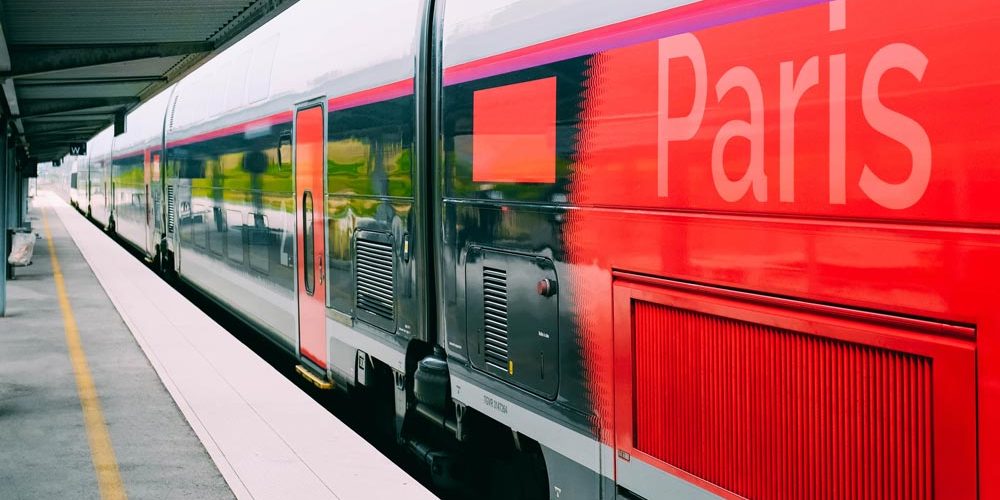
Se trent’anni fa ci fosse stato detto che i robot sarebbero stati utilizzati per pulire le città, nessuno ci avrebbe creduto, ci sarebbe stato solamente un momento di ilarità. Oggi non è più una battuta di spirito, ma una realtà che sta prendendo piede, come ad esempio a Parigi, dove si può vedere un robot dai colori sgargianti pulire i tunnel della metro.
Inizialmente testato per un breve periodo di tempo dalla Régie autonome des transports parisiens (RATP) è ormai diventata consuetudine per i passeggeri veder operare la piccola intelligenza artificiale.
Il robot è attrezzato di sensori e capace di vedere in tutte le direzioni lavorando per ore senza backup, pulendo superfici pari a 4000 metri quadrati. Secondo la società di trasporti, il robot messo in azione consuma il 76% in meno di acqua e di prodotti per la pulizia rispetto ad una lavapavimenti mantenendo la stessa qualità.
Per avere un quadro chiaro della situazione è stato steso un rapporto da parte di Accenture, sulla cosiddetta, “transizione digitale”, per comprendere quali siano stati gli effetti di questa transizione sui membri della Federazione francese delle pulizie, metà dei quali sono piccole e medie imprese. Il rapporto ha mostrato come questi robot si stiano diffondendo anche in attività minori, nonostante non siano ancora in una fase generalizzata del loro ciclo vitale.
La comparsa sul mercato di questi piccoli robot è avvenuta tre anni fa ed erano impiegati prevalentemente per la pulizia delle stazioni dei treni, degli aeroporti o dei magazzini. Grazie alla loro diffusione stanno diventando sempre più economici e il recupero degli investimenti fatti non richiederebbe molto tempo alle aziende i cui budget per le pulizie possono raggiungere il 60% delle loro spese per i servizi generali.
Ci si può aspettare che gli sviluppi robotici avvengano in aree specifiche come la pulizia delle finestre, la pulizia dei canali e avere a che fare con aree pericolose, come le centrali nucleari.
Il rapporto di Accenture, inoltre, evidenzia l’aumento dell’utilizzo di oggetti connessi, come ad esempio sensori che monitorino costantemente i numeri dei passeggeri e indichino se ci siano aree da pulire oppure dispenser per carta igienica e sapone che emettono un allarme quando sono vuoti.
L’utilizzo dei robot per la pulizia di questi spazi pubblici accrescerebbe l’immagine di un settore in cui poche persone giovani sono partecipi.