

Skip to content
Kleanoo
The Eco-Network
KleanooKleanoo
  • Compra & VendiIn modo semplice, veloce e sicuro
  • Portale NotizieTecnologie, innovazioni e normative
  • Pronta ConsegnaVeicoli in pronta consegna by Vakoom
  • ContattiHai un dubbio o una domanda?
Chiudi Menu
  • Compra & VendiIn modo semplice, veloce e sicuro
  • Portale NotizieTecnologie, innovazioni e normative
  • Pronta ConsegnaVeicoli in pronta consegna by Vakoom
  • ContattiHai un dubbio o una domanda?

Riutilizzo delle acque reflue industriali

You are here:
  1. Home
  2. Ecologia
  3. Riutilizzo delle acque reflue industriali
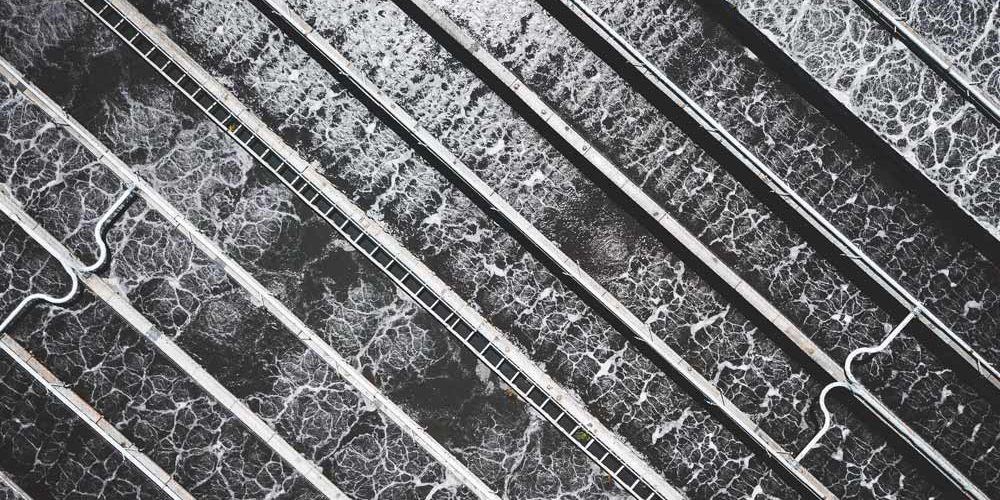
EcologiaTecnologiavasche di acque reflue

Negli ultimi 100 anni, il consumo di acqua è cresciuto di 6 volte e ogni anno cresce dell’1%. A oggi, il consumo di acqua industriale costituisce circa il 20% del consumo idrico globale e, negli anni a venire, potrebbe duplicare o addirittura triplicare a seconda delle aree geografiche.

Sono molti i settori che richiedono un impegno ingente di acqua, ma poiché le risorse idriche non sono inesauribili, le aziende sono chiamate a loro volta a investire per ridurre i propri consumi idrici.

Il modo migliore per diminuire i consumi di acqua industriali è il recupero delle acque reflue, le quali devono essere sottoposte a dei trattamenti di depurazioni specifici per essere reinserite nel ciclo produttivo. Le acque depurate, poi, possono essere utilizzate all’interno della stessa azienda o in più aziende tramite la simbiosi industriale.

Ci sono diverse tecnologie disponibili per il trattamento dell’acqua e ne consegue la necessità di sapere la qualità dell’acqua necessaria per il loro riutilizzo. Inoltre, è necessario un iniziale investimento tecnologico.

I vantaggi sono numerosi in termini di risparmio sulla quantità di acqua utilizzata, sulle spese energetiche e sul volume delle acque reflue generate. A questi, si aggiungono anche il risparmio per l’approvvigionamento di acqua e la diminuzione degli oneri di conferimento delle acque reflue.

In seguito alla loro depurazione, le acque reflue possono essere riutilizzate per usi legati alla produzione stessa, premesso che non entrino in contatto diretto con alimenti, cosmetici o farmaci, oppure come acque di lavaggio, all’interno d’impianti antincendio o nei cicli termali. Utilizzabili anche per il raffreddamento, la sanificazione degli impianti o l’irrigazione di spazi verdi.


Redazione Kleanoo
Kleanoo © 2026 — Vietata la riproduzione
Condividi questo articolo
Share on FacebookShare on Facebook Share on XShare on X Share on LinkedInShare on LinkedIn Share on WhatsAppShare on WhatsApp

Leggi anche

bidoni differenziata
Pubblicati i nuovi CAM per i rifiuti urbani
9 August 2022
raccolta carta e cartone
Nuovo record per la raccolta di carta e cartone nel 2021
2 August 2022
trattamento acque reflue
Depurare le acque reflue per produrre idrogeno verde
26 July 2022
digitalizzazione
R.E.N.T.Ri al Waste Management Europe
19 July 2022
impianto depurazione reflui
Soluzioni digitali per il ciclo dell’acqua
12 July 2022
eeconic mercedes benz
IFAT 2022: presentato l’eEconic di Mercedes
28 June 2022
Ricerca Articoli
Ultime notizie
  • bidoni differenziata
    Pubblicati i nuovi CAM per i rifiuti urbani
    9 August 2022
  • bidoni differenziata
    New MEC for municipal waste
    9 August 2022
  • raccolta carta e cartone
    Nuovo record per la raccolta di carta e cartone nel 2021
    2 August 2022
  • raccolta carta e cartone
    New record for paper and cardboard collection in 2021
    2 August 2022
  • trattamento acque reflue
    Treat wastewater to produce green hydrogen
    26 July 2022
  • trattamento acque reflue
    Treat wastewater to produce green hydrogen
    26 July 2022
  • trattamento acque reflue
    Depurare le acque reflue per produrre idrogeno verde
    26 July 2022
  • trattamento acque reflue
    Treat wastewater to produce green hydrogen
    26 July 2022
  • trattamento acque reflue
    Treat wastewater to produce green hydrogen
    26 July 2022
  • trattamento acque reflue
    Treat wastewater to produce green hydrogen
    26 July 2022

Reuse of industrial wastewater

You are here:
  1. Home
  2. Environment
  3. Reuse of industrial wastewater
EnvironmentTechnologywastewater tanks

Over the past 100 years, water consumption has grown by 6 times and every year it is growing by 1%. To date, the consumption of industrial water constitutes about 20% of global water consumption and, in the years to come, it could double or even triple depending on the geographical area.

There are many sectors that require a huge use of water, but since water resources are not inexhaustible, companies are called upon to invest to reduce their water consumption.

The best way to reduce the consumption of industrial water is the recovery of wastewater, which must be subjected to specific purification treatments to be reinserted into the production cycle. The purified water, then, can be used within the same company or in several companies through industrial symbiosis.

There are are several technologies available for water treatment and it follows the need to know the quality of the water needed for their reuse. Furthermore, an initial technological investment is required.

The advantages are numerous in terms of savings on the amount of water used, on energy costs and on the volume of wastewater generated. In addition to these, there are also savings for the water supply and a reduction in the costs of conferring waste water.

Following their purification, the waste water can be reused for uses related to the production itself, provided that it does not come into direct contact with food, cosmetics or drugs, or as washing water, inside fire-fighting systems or in thermal cycles. They can also be used for cooling, sanitizing systems or irrigating green spaces.

Kleanoo Editorial Staff
Kleanoo © 2026 — Reproduction prohibited
Condividi questo articolo
Share on FacebookShare on Facebook Share on XShare on X Share on LinkedInShare on LinkedIn Share on WhatsAppShare on WhatsApp

Leggi anche

bidoni differenziata
New MEC for municipal waste
9 August 2022
raccolta carta e cartone
New record for paper and cardboard collection in 2021
2 August 2022
trattamento acque reflue
Treat wastewater to produce green hydrogen
26 July 2022
digitalizzazione
R.E.N.T.Ri at Waste Management Europe
19 July 2022
impianto depurazione reflui
Digital solutions for the water cycle
12 July 2022
eeconic mercedes benz
IFAT 2022: Mercedes’ eEconic unveiled
28 June 2022

Reuse of industrial wastewater

You are here:
  1. Home
  2. Écologie
  3. Reuse of industrial wastewater
ÉcologieTechnologievasche di acque reflue

Over the past 100 years, water consumption has grown by 6 times and every year it is growing by 1%. To date, the consumption of industrial water constitutes about 20% of global water consumption and, in the years to come, it could double or even triple depending on the geographical area.

There are many sectors that require a huge use of water, but since water resources are not inexhaustible, companies are called upon to invest to reduce their water consumption.

The best way to reduce the consumption of industrial water is the recovery of wastewater, which must be subjected to specific purification treatments to be reinserted into the production cycle. The purified water, then, can be used within the same company or in several companies through industrial symbiosis.

There are are several technologies available for water treatment and it follows the need to know the quality of the water needed for their reuse. Furthermore, an initial technological investment is required.

The advantages are numerous in terms of savings on the amount of water used, on energy costs and on the volume of wastewater generated. In addition to these, there are also savings for the water supply and a reduction in the costs of conferring waste water.

Following their purification, the waste water can be reused for uses related to the production itself, provided that it does not come into direct contact with food, cosmetics or drugs, or as washing water, inside fire-fighting systems or in thermal cycles. They can also be used for cooling, sanitizing systems or irrigating green spaces.

Kleanoo Editorial Staff
Kleanoo © 2026 — Reproduction prohibited
Condividi questo articolo
Share on FacebookShare on Facebook Share on XShare on X Share on LinkedInShare on LinkedIn Share on WhatsAppShare on WhatsApp

Leggi anche

trattamento acque reflue
Treat wastewater to produce green hydrogen
26 July 2022
impianto depurazione reflui
Digital solutions for the water cycle
12 July 2022
eeconic mercedes benz
IFAT 2022: Mercedes’ eEconic unveiled
28 June 2022
raccolta differenziata carta e cartone
India supports the development of technological solutions for waste management
21 June 2022
silos di acque reflue
Veritas returnes 99.6% of purified water to the environment
14 June 2022
irrigazione in agricoltura
Purified wastewater to fight drought
7 June 2022

Reuse of industrial wastewater

You are here:
  1. Home
  2. Ökologie
  3. Reuse of industrial wastewater
ÖkologieTechnologievasche di acque reflue

Over the past 100 years, water consumption has grown by 6 times and every year it is growing by 1%. To date, the consumption of industrial water constitutes about 20% of global water consumption and, in the years to come, it could double or even triple depending on the geographical area.

There are many sectors that require a huge use of water, but since water resources are not inexhaustible, companies are called upon to invest to reduce their water consumption.

The best way to reduce the consumption of industrial water is the recovery of wastewater, which must be subjected to specific purification treatments to be reinserted into the production cycle. The purified water, then, can be used within the same company or in several companies through industrial symbiosis.

There are are several technologies available for water treatment and it follows the need to know the quality of the water needed for their reuse. Furthermore, an initial technological investment is required.

The advantages are numerous in terms of savings on the amount of water used, on energy costs and on the volume of wastewater generated. In addition to these, there are also savings for the water supply and a reduction in the costs of conferring waste water.

Following their purification, the waste water can be reused for uses related to the production itself, provided that it does not come into direct contact with food, cosmetics or drugs, or as washing water, inside fire-fighting systems or in thermal cycles. They can also be used for cooling, sanitizing systems or irrigating green spaces.

Kleanoo Editorial Staff
Kleanoo © 2026 — Reproduction prohibited
Condividi questo articolo
Share on FacebookShare on Facebook Share on XShare on X Share on LinkedInShare on LinkedIn Share on WhatsAppShare on WhatsApp

Leggi anche

trattamento acque reflue
Treat wastewater to produce green hydrogen
26 July 2022
impianto depurazione reflui
Digital solutions for the water cycle
12 July 2022
eeconic mercedes benz
IFAT 2022: Mercedes’ eEconic unveiled
28 June 2022
raccolta differenziata carta e cartone
India supports the development of technological solutions for waste management
21 June 2022
silos di acque reflue
Veritas returnes 99.6% of purified water to the environment
14 June 2022
irrigazione in agricoltura
Purified wastewater to fight drought
7 June 2022

Reuse of industrial wastewater

You are here:
  1. Home
  2. Meio Ambiente/Sustentabilidade
  3. Reuse of industrial wastewater
Meio Ambiente/SustentabilidadeTecnologiavasche di acque reflue

Over the past 100 years, water consumption has grown by 6 times and every year it is growing by 1%. To date, the consumption of industrial water constitutes about 20% of global water consumption and, in the years to come, it could double or even triple depending on the geographical area.

There are many sectors that require a huge use of water, but since water resources are not inexhaustible, companies are called upon to invest to reduce their water consumption.

The best way to reduce the consumption of industrial water is the recovery of wastewater, which must be subjected to specific purification treatments to be reinserted into the production cycle. The purified water, then, can be used within the same company or in several companies through industrial symbiosis.

There are are several technologies available for water treatment and it follows the need to know the quality of the water needed for their reuse. Furthermore, an initial technological investment is required.

The advantages are numerous in terms of savings on the amount of water used, on energy costs and on the volume of wastewater generated. In addition to these, there are also savings for the water supply and a reduction in the costs of conferring waste water.

Following their purification, the waste water can be reused for uses related to the production itself, provided that it does not come into direct contact with food, cosmetics or drugs, or as washing water, inside fire-fighting systems or in thermal cycles. They can also be used for cooling, sanitizing systems or irrigating green spaces.

Kleanoo Editorial Staff
Kleanoo © 2026 — Reproduction prohibited
Condividi questo articolo
Share on FacebookShare on Facebook Share on XShare on X Share on LinkedInShare on LinkedIn Share on WhatsAppShare on WhatsApp

Leggi anche

trattamento acque reflue
Treat wastewater to produce green hydrogen
26 July 2022
impianto depurazione reflui
Digital solutions for the water cycle
12 July 2022
eeconic mercedes benz
IFAT 2022: Mercedes’ eEconic unveiled
28 June 2022
raccolta differenziata carta e cartone
India supports the development of technological solutions for waste management
21 June 2022
silos di acque reflue
Veritas returnes 99.6% of purified water to the environment
14 June 2022
irrigazione in agricoltura
Purified wastewater to fight drought
7 June 2022

Reuse of industrial wastewater

You are here:
  1. Home
  2. Ecología
  3. Reuse of industrial wastewater
EcologíaTecnologíavasche di acque reflue

Over the past 100 years, water consumption has grown by 6 times and every year it is growing by 1%. To date, the consumption of industrial water constitutes about 20% of global water consumption and, in the years to come, it could double or even triple depending on the geographical area.

There are many sectors that require a huge use of water, but since water resources are not inexhaustible, companies are called upon to invest to reduce their water consumption.

The best way to reduce the consumption of industrial water is the recovery of wastewater, which must be subjected to specific purification treatments to be reinserted into the production cycle. The purified water, then, can be used within the same company or in several companies through industrial symbiosis.

There are are several technologies available for water treatment and it follows the need to know the quality of the water needed for their reuse. Furthermore, an initial technological investment is required.

The advantages are numerous in terms of savings on the amount of water used, on energy costs and on the volume of wastewater generated. In addition to these, there are also savings for the water supply and a reduction in the costs of conferring waste water.

Following their purification, the waste water can be reused for uses related to the production itself, provided that it does not come into direct contact with food, cosmetics or drugs, or as washing water, inside fire-fighting systems or in thermal cycles. They can also be used for cooling, sanitizing systems or irrigating green spaces.

Kleanoo Editorial Staff
Kleanoo © 2026 — Reproduction prohibited
Condividi questo articolo
Share on FacebookShare on Facebook Share on XShare on X Share on LinkedInShare on LinkedIn Share on WhatsAppShare on WhatsApp

Leggi anche

trattamento acque reflue
Treat wastewater to produce green hydrogen
26 July 2022
impianto depurazione reflui
Digital solutions for the water cycle
12 July 2022
eeconic mercedes benz
IFAT 2022: Mercedes’ eEconic unveiled
28 June 2022
raccolta differenziata carta e cartone
India supports the development of technological solutions for waste management
21 June 2022
silos di acque reflue
Veritas returnes 99.6% of purified water to the environment
14 June 2022
irrigazione in agricoltura
Purified wastewater to fight drought
7 June 2022
Informazioni di Contatto
Utilizza i recapiti sottostanti per poterti mettere in contatto con un membro del nostro team. In alternativa puoi compilare il form per inviarci un messaggio.
  • Indirizzo
    Via Marco Beato Ongaro 11
    31015 Conegliano (TV)
  • Telefono
    +39 353 439 9515
    +39 0438 1963696
  • E-mail
    info@kleanoo.com

    Kleanoo
    Kleanoo © 2026
    Kleanoo è un marchio registrato di Vakoom Srl
    Partita IVA: IT 03945270266
    Site design by ADMP
    • Privacy Policy
    • Cookie Policy
    Menu Footer

    Go to Top