


Skip to content
Kleanoo
The Eco-Network
KleanooKleanoo
  • Compra & VendiIn modo semplice, veloce e sicuro
  • Portale NotizieTecnologie, innovazioni e normative
  • Pronta ConsegnaVeicoli in pronta consegna by Vakoom
  • ContattiHai un dubbio o una domanda?
Chiudi Menu
  • Compra & VendiIn modo semplice, veloce e sicuro
  • Portale NotizieTecnologie, innovazioni e normative
  • Pronta ConsegnaVeicoli in pronta consegna by Vakoom
  • ContattiHai un dubbio o una domanda?

Sedimentazione delle acque reflue

You are here:
  1. Home
  2. Ecologia
  3. Sedimentazione delle acque reflue
EcologiaTecnologiaimpianto di sedimentazione acque reflue

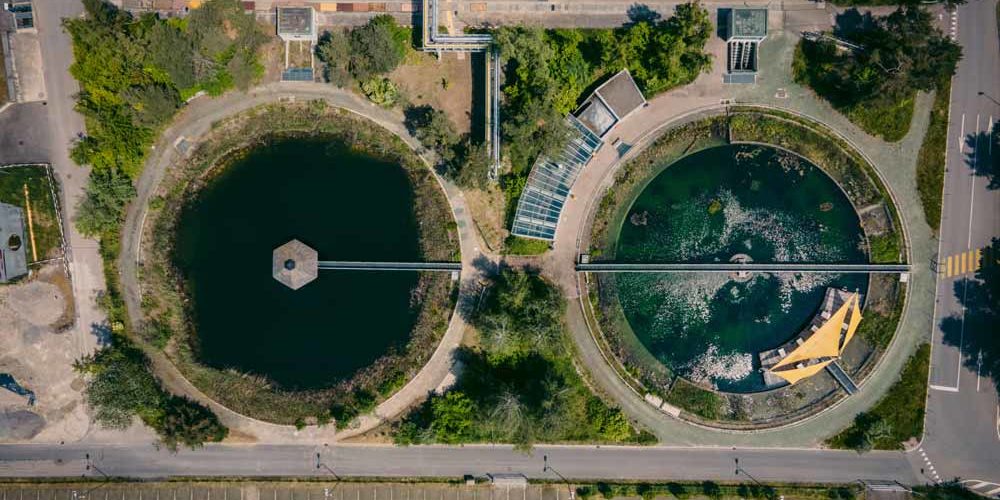
Con il proseguire degli anni, sarà sempre più necessario restituire acqua pulita all’ambiente. La scarsità di acqua dolce, l’inquinamento crescente, i consumi idrici e la siccità sono solo alcune delle problematiche che rendono necessaria la depurazione delle acque reflue.

Prima di poter essere riutilizzate, le acque reflue devono essere sottoposte a un processo di depurazione e raggiungere un determinato livello di qualità.

L’intero processo prevede il convogliamento delle acque reflue agli impianti, il sollevamento, fasi di grigliature, dissabbiatura e disoleatura, fino ad arrivare alla fase della chiarificazione delle acque, durante la quale avviene la sedimentazione: in una vasca vengono separati i solidi sedimentabili.

Al termine della sedimentazione, l’acqua è trattata con ossidazione biologica e infine sottoposta al processo di disinfezione per eliminare ogni residuo nocivo.

La sedimentazione, uno dei punti più critici della fase di depurazione, avviene tramite dei sedimentatoti.

I sedimentatori tradizionali consistono in una vasca in cui i fanghi precipitano sul fondo, per poi essere estratti. Si tratta di strutture di grandi dimensioni in rapporto alla quantità di acqua che riescono a chiarificare.

La sedimentazione, però, può avvenire tramite pacchi lamellari, i quali sono più compatti e capaci di aumentare la superficie di sedimentazione accelerando il processo.

La tecnologia dei pacchi lamellari apporta diversi vantaggi:

  • riduzione dello spazio impegnato dalle vasche di sedimentazione, fino al 90% in meno;
  • alta resa;
  • facile installazione, ridotta manutenzione, abbattimento dei costi;
  • personalizzazione: i pacchi lamellari sono blocchi modulari, componibili e autoportanti di condotti;
  • robustezza e durabilità: realizzati in PVC e dotati di un’elevata resistenza meccanica.

La sedimentazione tramite pacchi lamellari è un upgrade a livello tecnologico, economico e quantitativo nel settore delle depurazioni delle acque di scarto.


Redazione Kleanoo
Kleanoo © 2025 — Vietata la riproduzione
Condividi questo articolo
Share on FacebookShare on Facebook Share on XShare on X Share on LinkedInShare on LinkedIn Share on WhatsAppShare on WhatsApp

Leggi anche

bidoni differenziata
Pubblicati i nuovi CAM per i rifiuti urbani
9 August 2022
raccolta carta e cartone
Nuovo record per la raccolta di carta e cartone nel 2021
2 August 2022
trattamento acque reflue
Depurare le acque reflue per produrre idrogeno verde
26 July 2022
digitalizzazione
R.E.N.T.Ri al Waste Management Europe
19 July 2022
impianto depurazione reflui
Soluzioni digitali per il ciclo dell’acqua
12 July 2022
eeconic mercedes benz
IFAT 2022: presentato l’eEconic di Mercedes
28 June 2022
Ricerca Articoli
Ultime notizie
  • bidoni differenziata
    Pubblicati i nuovi CAM per i rifiuti urbani
    9 August 2022
  • bidoni differenziata
    New MEC for municipal waste
    9 August 2022
  • raccolta carta e cartone
    Nuovo record per la raccolta di carta e cartone nel 2021
    2 August 2022
  • raccolta carta e cartone
    New record for paper and cardboard collection in 2021
    2 August 2022
  • trattamento acque reflue
    Treat wastewater to produce green hydrogen
    26 July 2022
  • trattamento acque reflue
    Treat wastewater to produce green hydrogen
    26 July 2022
  • trattamento acque reflue
    Depurare le acque reflue per produrre idrogeno verde
    26 July 2022
  • trattamento acque reflue
    Treat wastewater to produce green hydrogen
    26 July 2022
  • trattamento acque reflue
    Treat wastewater to produce green hydrogen
    26 July 2022
  • trattamento acque reflue
    Treat wastewater to produce green hydrogen
    26 July 2022

Sedimentation of wastewater

You are here:
  1. Home
  2. Environment
  3. Sedimentation of wastewater
EnvironmentTechnologywastewater sedimentation plant

Over the years, it will be increasingly necessary to return clean water to the environment. The scarcity of fresh water, increasing pollution, water consumption and drought are just some of the problems that make the purification of waste water necessary.

Before it can be reused, wastewater must undergo a purification process and reach a certain level of quality.

The entire process involves conveying the waste water to the plants, lifting, screening, sandblasting and de-oiling phases, up to the water clarification phase, during which sedimentation takes place: the sedimentable solids are separated in a tank.

At the end of the sedimentation, the water is treated with biological oxidation and finally subjected to the disinfection process to eliminate any harmful residues

Sedimentation, one of the most critical points in the purification phase, occurs through settlers.

Traditional settlers consist of a tank in which the sludge falls to the bottom, to then be extracted. These are large structures in relation to the amount of water they can clarify.

Sedimentation, however, can take place through lamellar packs, which are more compact and capable of increasing the sedimentation surface, accelerating the process.

Lamellar packs technology brings several advantages:

  • reduction of the space occupied by the sedimentation tanks, up to 90% less;
  • high yield;
  • easy installation, reduced maintenance, cost reduction;
  • customization: the lamellar packs are modular and self-supporting blocks of ducts;
  • sturdiness and durability: made of PVC and equipped with high mechanical resistance.

Sedimentation through lamellar packs is a technological, economic and quantitative upgrade in the waste water purification sector.

Kleanoo Editorial Staff
Kleanoo © 2025 — Reproduction prohibited
Condividi questo articolo
Share on FacebookShare on Facebook Share on XShare on X Share on LinkedInShare on LinkedIn Share on WhatsAppShare on WhatsApp

Leggi anche

bidoni differenziata
New MEC for municipal waste
9 August 2022
raccolta carta e cartone
New record for paper and cardboard collection in 2021
2 August 2022
trattamento acque reflue
Treat wastewater to produce green hydrogen
26 July 2022
digitalizzazione
R.E.N.T.Ri at Waste Management Europe
19 July 2022
impianto depurazione reflui
Digital solutions for the water cycle
12 July 2022
eeconic mercedes benz
IFAT 2022: Mercedes’ eEconic unveiled
28 June 2022

Sedimentation of wastewater

You are here:
  1. Home
  2. Écologie
  3. Sedimentation of wastewater
ÉcologieTechnologieimpianto di sedimentazione acque reflue

Over the years, it will be increasingly necessary to return clean water to the environment. The scarcity of fresh water, increasing pollution, water consumption and drought are just some of the problems that make the purification of waste water necessary.

Before it can be reused, wastewater must undergo a purification process and reach a certain level of quality.

The entire process involves conveying the waste water to the plants, lifting, screening, sandblasting and de-oiling phases, up to the water clarification phase, during which sedimentation takes place: the sedimentable solids are separated in a tank.

At the end of the sedimentation, the water is treated with biological oxidation and finally subjected to the disinfection process to eliminate any harmful residues

Sedimentation, one of the most critical points in the purification phase, occurs through settlers.

Traditional settlers consist of a tank in which the sludge falls to the bottom, to then be extracted. These are large structures in relation to the amount of water they can clarify.

Sedimentation, however, can take place through lamellar packs, which are more compact and capable of increasing the sedimentation surface, accelerating the process.

Lamellar packs technology brings several advantages:

  • reduction of the space occupied by the sedimentation tanks, up to 90% less;
  • high yield;
  • easy installation, reduced maintenance, cost reduction;
  • customization: the lamellar packs are modular and self-supporting blocks of ducts;
  • sturdiness and durability: made of PVC and equipped with high mechanical resistance.

Sedimentation through lamellar packs is a technological, economic and quantitative upgrade in the waste water purification sector.

Kleanoo Editorial Staff
Kleanoo © 2025 — Reproduction prohibited
Condividi questo articolo
Share on FacebookShare on Facebook Share on XShare on X Share on LinkedInShare on LinkedIn Share on WhatsAppShare on WhatsApp

Leggi anche

trattamento acque reflue
Treat wastewater to produce green hydrogen
26 July 2022
impianto depurazione reflui
Digital solutions for the water cycle
12 July 2022
eeconic mercedes benz
IFAT 2022: Mercedes’ eEconic unveiled
28 June 2022
raccolta differenziata carta e cartone
India supports the development of technological solutions for waste management
21 June 2022
silos di acque reflue
Veritas returnes 99.6% of purified water to the environment
14 June 2022
irrigazione in agricoltura
Purified wastewater to fight drought
7 June 2022

Sedimentation of wastewater

You are here:
  1. Home
  2. Ökologie
  3. Sedimentation of wastewater
ÖkologieTechnologieimpianto di sedimentazione acque reflue

Over the years, it will be increasingly necessary to return clean water to the environment. The scarcity of fresh water, increasing pollution, water consumption and drought are just some of the problems that make the purification of waste water necessary.

Before it can be reused, wastewater must undergo a purification process and reach a certain level of quality.

The entire process involves conveying the waste water to the plants, lifting, screening, sandblasting and de-oiling phases, up to the water clarification phase, during which sedimentation takes place: the sedimentable solids are separated in a tank.

At the end of the sedimentation, the water is treated with biological oxidation and finally subjected to the disinfection process to eliminate any harmful residues

Sedimentation, one of the most critical points in the purification phase, occurs through settlers.

Traditional settlers consist of a tank in which the sludge falls to the bottom, to then be extracted. These are large structures in relation to the amount of water they can clarify.

Sedimentation, however, can take place through lamellar packs, which are more compact and capable of increasing the sedimentation surface, accelerating the process.

Lamellar packs technology brings several advantages:

  • reduction of the space occupied by the sedimentation tanks, up to 90% less;
  • high yield;
  • easy installation, reduced maintenance, cost reduction;
  • customization: the lamellar packs are modular and self-supporting blocks of ducts;
  • sturdiness and durability: made of PVC and equipped with high mechanical resistance.

Sedimentation through lamellar packs is a technological, economic and quantitative upgrade in the waste water purification sector.

Kleanoo Editorial Staff
Kleanoo © 2025 — Reproduction prohibited
Condividi questo articolo
Share on FacebookShare on Facebook Share on XShare on X Share on LinkedInShare on LinkedIn Share on WhatsAppShare on WhatsApp

Leggi anche

trattamento acque reflue
Treat wastewater to produce green hydrogen
26 July 2022
impianto depurazione reflui
Digital solutions for the water cycle
12 July 2022
eeconic mercedes benz
IFAT 2022: Mercedes’ eEconic unveiled
28 June 2022
raccolta differenziata carta e cartone
India supports the development of technological solutions for waste management
21 June 2022
silos di acque reflue
Veritas returnes 99.6% of purified water to the environment
14 June 2022
irrigazione in agricoltura
Purified wastewater to fight drought
7 June 2022

Sedimentation of wastewater

You are here:
  1. Home
  2. Meio Ambiente/Sustentabilidade
  3. Sedimentation of wastewater
Meio Ambiente/SustentabilidadeTecnologiaimpianto di sedimentazione acque reflue

Over the years, it will be increasingly necessary to return clean water to the environment. The scarcity of fresh water, increasing pollution, water consumption and drought are just some of the problems that make the purification of waste water necessary.

Before it can be reused, wastewater must undergo a purification process and reach a certain level of quality.

The entire process involves conveying the waste water to the plants, lifting, screening, sandblasting and de-oiling phases, up to the water clarification phase, during which sedimentation takes place: the sedimentable solids are separated in a tank.

At the end of the sedimentation, the water is treated with biological oxidation and finally subjected to the disinfection process to eliminate any harmful residues

Sedimentation, one of the most critical points in the purification phase, occurs through settlers.

Traditional settlers consist of a tank in which the sludge falls to the bottom, to then be extracted. These are large structures in relation to the amount of water they can clarify.

Sedimentation, however, can take place through lamellar packs, which are more compact and capable of increasing the sedimentation surface, accelerating the process.

Lamellar packs technology brings several advantages:

  • reduction of the space occupied by the sedimentation tanks, up to 90% less;
  • high yield;
  • easy installation, reduced maintenance, cost reduction;
  • customization: the lamellar packs are modular and self-supporting blocks of ducts;
  • sturdiness and durability: made of PVC and equipped with high mechanical resistance.

Sedimentation through lamellar packs is a technological, economic and quantitative upgrade in the waste water purification sector.

Kleanoo Editorial Staff
Kleanoo © 2025 — Reproduction prohibited
Condividi questo articolo
Share on FacebookShare on Facebook Share on XShare on X Share on LinkedInShare on LinkedIn Share on WhatsAppShare on WhatsApp

Leggi anche

trattamento acque reflue
Treat wastewater to produce green hydrogen
26 July 2022
impianto depurazione reflui
Digital solutions for the water cycle
12 July 2022
eeconic mercedes benz
IFAT 2022: Mercedes’ eEconic unveiled
28 June 2022
raccolta differenziata carta e cartone
India supports the development of technological solutions for waste management
21 June 2022
silos di acque reflue
Veritas returnes 99.6% of purified water to the environment
14 June 2022
irrigazione in agricoltura
Purified wastewater to fight drought
7 June 2022

Sedimentation of wastewater

You are here:
  1. Home
  2. Ecología
  3. Sedimentation of wastewater
EcologíaTecnologíaimpianto di sedimentazione acque reflue

Over the years, it will be increasingly necessary to return clean water to the environment. The scarcity of fresh water, increasing pollution, water consumption and drought are just some of the problems that make the purification of waste water necessary.

Before it can be reused, wastewater must undergo a purification process and reach a certain level of quality.

The entire process involves conveying the waste water to the plants, lifting, screening, sandblasting and de-oiling phases, up to the water clarification phase, during which sedimentation takes place: the sedimentable solids are separated in a tank.

At the end of the sedimentation, the water is treated with biological oxidation and finally subjected to the disinfection process to eliminate any harmful residues

Sedimentation, one of the most critical points in the purification phase, occurs through settlers.

Traditional settlers consist of a tank in which the sludge falls to the bottom, to then be extracted. These are large structures in relation to the amount of water they can clarify.

Sedimentation, however, can take place through lamellar packs, which are more compact and capable of increasing the sedimentation surface, accelerating the process.

Lamellar packs technology brings several advantages:

  • reduction of the space occupied by the sedimentation tanks, up to 90% less;
  • high yield;
  • easy installation, reduced maintenance, cost reduction;
  • customization: the lamellar packs are modular and self-supporting blocks of ducts;
  • sturdiness and durability: made of PVC and equipped with high mechanical resistance.

Sedimentation through lamellar packs is a technological, economic and quantitative upgrade in the waste water purification sector.

Kleanoo Editorial Staff
Kleanoo © 2025 — Reproduction prohibited
Condividi questo articolo
Share on FacebookShare on Facebook Share on XShare on X Share on LinkedInShare on LinkedIn Share on WhatsAppShare on WhatsApp

Leggi anche

trattamento acque reflue
Treat wastewater to produce green hydrogen
26 July 2022
impianto depurazione reflui
Digital solutions for the water cycle
12 July 2022
eeconic mercedes benz
IFAT 2022: Mercedes’ eEconic unveiled
28 June 2022
raccolta differenziata carta e cartone
India supports the development of technological solutions for waste management
21 June 2022
silos di acque reflue
Veritas returnes 99.6% of purified water to the environment
14 June 2022
irrigazione in agricoltura
Purified wastewater to fight drought
7 June 2022
Informazioni di Contatto
Utilizza i recapiti sottostanti per poterti mettere in contatto con un membro del nostro team. In alternativa puoi compilare il form per inviarci un messaggio.
  • Indirizzo
    Via Marco Beato Ongaro 11
    31015 Conegliano (TV)
  • Telefono
    +39 353 439 9515
    +39 0438 1963696
  • E-mail
    info@kleanoo.com

    Kleanoo
    Kleanoo © 2025
    Kleanoo è un marchio registrato di Vakoom Srl
    Partita IVA: IT 03945270266
    Site design by ADMP
    • Privacy Policy
    • Cookie Policy
    Menu Footer

    Go to Top