

Skip to content
Kleanoo
The Eco-Network
KleanooKleanoo
  • Compra & VendiIn modo semplice, veloce e sicuro
  • Portale NotizieTecnologie, innovazioni e normative
  • Pronta ConsegnaVeicoli in pronta consegna by Vakoom
  • ContattiHai un dubbio o una domanda?
Chiudi Menu
  • Compra & VendiIn modo semplice, veloce e sicuro
  • Portale NotizieTecnologie, innovazioni e normative
  • Pronta ConsegnaVeicoli in pronta consegna by Vakoom
  • ContattiHai un dubbio o una domanda?

Tipologie di acque reflue

You are here:
  1. Home
  2. Ecologia
  3. Tipologie di acque reflue
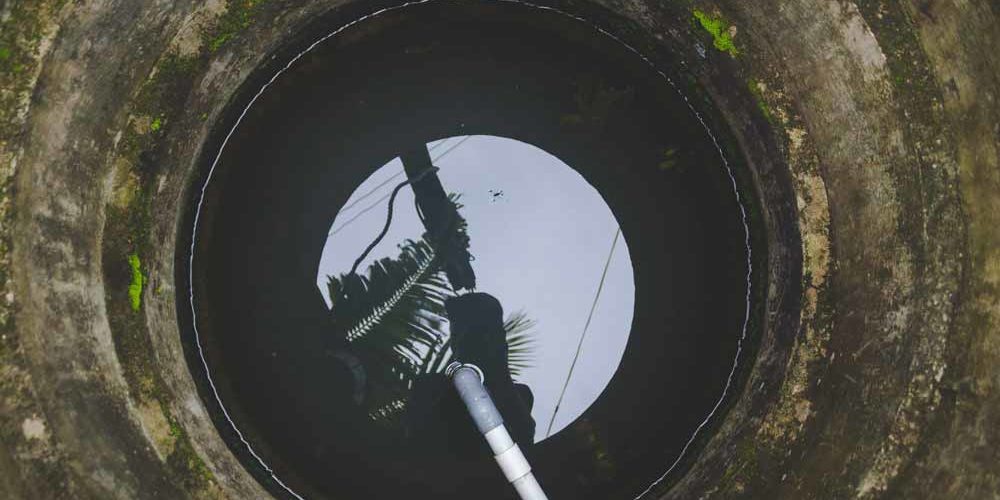
EcologiaNormativeacque reflue dentro un pozzo

Il Decreto Legislativo 152/06, contenente le norme in materia ambientale, delinea 3 tipologie di acque reflue: domestiche, industriali e urbane.

Secondo il D. Leg., è possibile definire domestiche le “acque reflue provenienti da insediamenti di tipo residenziale e da servizi e derivanti prevalentemente dal metabolismo umano e da attività domestiche”.

Vale a dire che la fonte di questa tipologia di scarico deve derivare prevalentemente dal metabolismo umano, ma deve avere anche una fisionomia connessa alle attività domestiche.

Le acque reflue industriali, invece, sono “qualsiasi tipo di acque reflue scaricate da edifici o impianti in cui si svolgono attività commerciali o di produzione di beni, diversi dalle acque reflue domestiche e dalle acque meteoriche di dilavamento”.

Innanzitutto, per “attività commerciali o di produzione” s’intende qualsiasi stabilimento in cui si svolgono attività commerciali o industriali che comportano la produzione, la trasformazione ovvero l’utilizzazione di determinate sostanze e che comportano la presenza di tali sostanze nello scarico.

In questa sezione, rientrano tutte le acque di scarico derivanti da attività che non attengono strettamente al metabolismo umano e alle attività domestiche.

Ne consegue, quindi, che uno dei criteri di differenziazione è la qualità degli scarichi.

Tuttavia, vi è anche una differenza basta sulla provenienza dei reflui. Le acque reflue industriali, infatti, sono scaricate da edifici o impianti in cui si svolgono attività commerciali o di produzione di beni. Si tratta di acque reflue che danno luogo a un unico scarico in cui conferiscono anche eventuali reflui domestici. Di conseguenza, per distinguere le tipologie di reflui deve prevalere l’attività principale.

.

Infine, vi sono le acque reflue urbane che sono “acque reflue domestiche o il miscuglio di acque reflue domestiche, di acque reflue industriali ovvero meteoriche di dilavamento convogliate in reti fognarie, anche separate, e provenienti da agglomerato”.

In sintesi, sono le acque derivanti dalle fognature pubbliche e dai depuratori comuni.

Redazione Kleanoo
Kleanoo © 2026 — Vietata la riproduzione
Condividi questo articolo
Share on FacebookShare on Facebook Share on XShare on X Share on LinkedInShare on LinkedIn Share on WhatsAppShare on WhatsApp

Leggi anche

bidoni differenziata
Pubblicati i nuovi CAM per i rifiuti urbani
9 August 2022
raccolta carta e cartone
Nuovo record per la raccolta di carta e cartone nel 2021
2 August 2022
trattamento acque reflue
Depurare le acque reflue per produrre idrogeno verde
26 July 2022
digitalizzazione
R.E.N.T.Ri al Waste Management Europe
19 July 2022
silos di acque reflue
Veritas restituisce all’ambiente il 99,6% di acque depurate
14 June 2022
irrigazione in agricoltura
Acque reflue depurate per combattere la siccità
7 June 2022
Ricerca Articoli
Ultime notizie
  • bidoni differenziata
    Pubblicati i nuovi CAM per i rifiuti urbani
    9 August 2022
  • bidoni differenziata
    New MEC for municipal waste
    9 August 2022
  • raccolta carta e cartone
    Nuovo record per la raccolta di carta e cartone nel 2021
    2 August 2022
  • raccolta carta e cartone
    New record for paper and cardboard collection in 2021
    2 August 2022
  • trattamento acque reflue
    Treat wastewater to produce green hydrogen
    26 July 2022
  • trattamento acque reflue
    Treat wastewater to produce green hydrogen
    26 July 2022
  • trattamento acque reflue
    Depurare le acque reflue per produrre idrogeno verde
    26 July 2022
  • trattamento acque reflue
    Treat wastewater to produce green hydrogen
    26 July 2022
  • trattamento acque reflue
    Treat wastewater to produce green hydrogen
    26 July 2022
  • trattamento acque reflue
    Treat wastewater to produce green hydrogen
    26 July 2022

Types of wastewater

You are here:
  1. Home
  2. Environment
  3. Types of wastewater
EnvironmentLegislationmanhole with wastewater

Legislative Decree 152/06, containing environmental regulations, outlines 3 types of waste water: domestic, industrial and urban.

According to the Legislative Decree, it is possible to define “wastewater from residential settlements and services and deriving mainly from human metabolism and domestic activities” as domestic.

That is to say that the source of this type of discharge must derive mainly from human metabolism, but it must also have a physiognomy connected to domestic activities.

Industrial waste water, on the other hand, is “any type of waste water discharged from buildings or plants in which commercial activities or the production of goods take place, other than domestic waste water and run-off rainwater”.

First of all, “commercial or production activities” means any establishment in which commercial or industrial activities are carried out which involve the production, processing or use of certain substances and which involve the presence of such substances in the discharge.

This section includes all waste water deriving from activities that are not strictly related to human metabolism and domestic activities.

It follows, therefore, that one of the differentiation criteria is the quality of the discharges.

However, there is also a difference based on where the wastewater comes from. Industrial wastewater, in fact, is discharged from buildings or plants where commercial activities or the production of goods are carried out. These are waste waters that give rise to a single discharge into which they also deliver any domestic wastewater. Consequently, in order to distinguish the types of wastewater, the main activity must prevail.

Finally, there are urban waste water which is “domestic waste water or the mixture of domestic waste water, industrial waste water or rainwater run-off conveyed into sewer networks, even separate ones, and coming from agglomerations”.

In summary, they are the waters deriving from public sewers and common purifiers.

Kleanoo Editorial Staff
Kleanoo © 2026 — Reproduction prohibited
Condividi questo articolo
Share on FacebookShare on Facebook Share on XShare on X Share on LinkedInShare on LinkedIn Share on WhatsAppShare on WhatsApp

Leggi anche

bidoni differenziata
New MEC for municipal waste
9 August 2022
raccolta carta e cartone
New record for paper and cardboard collection in 2021
2 August 2022
trattamento acque reflue
Treat wastewater to produce green hydrogen
26 July 2022
digitalizzazione
R.E.N.T.Ri at Waste Management Europe
19 July 2022
wastewater containers
Veritas returnes 99.6% of purified water to the environment
14 June 2022
irrigazione in agricoltura
Purified wastewater to fight drought
7 June 2022

Types of wastewater

You are here:
  1. Home
  2. Écologie
  3. Types of wastewater
ÉcologieRèglementsacque reflue dentro un pozzo

Legislative Decree 152/06, containing environmental regulations, outlines 3 types of waste water: domestic, industrial and urban.

According to the Legislative Decree, it is possible to define “wastewater from residential settlements and services and deriving mainly from human metabolism and domestic activities” as domestic.

That is to say that the source of this type of discharge must derive mainly from human metabolism, but it must also have a physiognomy connected to domestic activities.

Industrial waste water, on the other hand, is “any type of waste water discharged from buildings or plants in which commercial activities or the production of goods take place, other than domestic waste water and run-off rainwater”.

First of all, “commercial or production activities” means any establishment in which commercial or industrial activities are carried out which involve the production, processing or use of certain substances and which involve the presence of such substances in the discharge.

This section includes all waste water deriving from activities that are not strictly related to human metabolism and domestic activities.

It follows, therefore, that one of the differentiation criteria is the quality of the discharges.

However, there is also a difference based on where the wastewater comes from. Industrial wastewater, in fact, is discharged from buildings or plants where commercial activities or the production of goods are carried out. These are waste waters that give rise to a single discharge into which they also deliver any domestic wastewater. Consequently, in order to distinguish the types of wastewater, the main activity must prevail.

Finally, there are urban waste water which is “domestic waste water or the mixture of domestic waste water, industrial waste water or rainwater run-off conveyed into sewer networks, even separate ones, and coming from agglomerations”.

In summary, they are the waters deriving from public sewers and common purifiers.

Kleanoo Editorial Staff
Kleanoo © 2026 — Reproduction prohibited
Condividi questo articolo
Share on FacebookShare on Facebook Share on XShare on X Share on LinkedInShare on LinkedIn Share on WhatsAppShare on WhatsApp

Leggi anche

trattamento acque reflue
Treat wastewater to produce green hydrogen
26 July 2022
silos di acque reflue
Veritas returnes 99.6% of purified water to the environment
14 June 2022
irrigazione in agricoltura
Purified wastewater to fight drought
7 June 2022
ladurner equipment full electric
Full electric vehicles of Ladurner Equipment in Naples: waste collection changes
24 May 2022
emissioni industriali
Producing energy from waste: first italian zero-emission biorefinery
17 May 2022
asfalto con impronte di scarpe
Modified asphalts: new life for ELT-recycled rubber
10 May 2022

Types of wastewater

You are here:
  1. Home
  2. Ökologie
  3. Types of wastewater
ÖkologieVorschriftenacque reflue dentro un pozzo

Legislative Decree 152/06, containing environmental regulations, outlines 3 types of waste water: domestic, industrial and urban.

According to the Legislative Decree, it is possible to define “wastewater from residential settlements and services and deriving mainly from human metabolism and domestic activities” as domestic.

That is to say that the source of this type of discharge must derive mainly from human metabolism, but it must also have a physiognomy connected to domestic activities.

Industrial waste water, on the other hand, is “any type of waste water discharged from buildings or plants in which commercial activities or the production of goods take place, other than domestic waste water and run-off rainwater”.

First of all, “commercial or production activities” means any establishment in which commercial or industrial activities are carried out which involve the production, processing or use of certain substances and which involve the presence of such substances in the discharge.

This section includes all waste water deriving from activities that are not strictly related to human metabolism and domestic activities.

It follows, therefore, that one of the differentiation criteria is the quality of the discharges.

However, there is also a difference based on where the wastewater comes from. Industrial wastewater, in fact, is discharged from buildings or plants where commercial activities or the production of goods are carried out. These are waste waters that give rise to a single discharge into which they also deliver any domestic wastewater. Consequently, in order to distinguish the types of wastewater, the main activity must prevail.

Finally, there are urban waste water which is “domestic waste water or the mixture of domestic waste water, industrial waste water or rainwater run-off conveyed into sewer networks, even separate ones, and coming from agglomerations”.

In summary, they are the waters deriving from public sewers and common purifiers.

Kleanoo Editorial Staff
Kleanoo © 2026 — Reproduction prohibited
Condividi questo articolo
Share on FacebookShare on Facebook Share on XShare on X Share on LinkedInShare on LinkedIn Share on WhatsAppShare on WhatsApp

Leggi anche

trattamento acque reflue
Treat wastewater to produce green hydrogen
26 July 2022
silos di acque reflue
Veritas returnes 99.6% of purified water to the environment
14 June 2022
irrigazione in agricoltura
Purified wastewater to fight drought
7 June 2022
ladurner equipment full electric
Full electric vehicles of Ladurner Equipment in Naples: waste collection changes
24 May 2022
emissioni industriali
Producing energy from waste: first italian zero-emission biorefinery
17 May 2022
asfalto con impronte di scarpe
Modified asphalts: new life for ELT-recycled rubber
10 May 2022

Types of wastewater

You are here:
  1. Home
  2. Legislação
  3. Types of wastewater
LegislaçãoMeio Ambiente/Sustentabilidadeacque reflue dentro un pozzo

Legislative Decree 152/06, containing environmental regulations, outlines 3 types of waste water: domestic, industrial and urban.

According to the Legislative Decree, it is possible to define “wastewater from residential settlements and services and deriving mainly from human metabolism and domestic activities” as domestic.

That is to say that the source of this type of discharge must derive mainly from human metabolism, but it must also have a physiognomy connected to domestic activities.

Industrial waste water, on the other hand, is “any type of waste water discharged from buildings or plants in which commercial activities or the production of goods take place, other than domestic waste water and run-off rainwater”.

First of all, “commercial or production activities” means any establishment in which commercial or industrial activities are carried out which involve the production, processing or use of certain substances and which involve the presence of such substances in the discharge.

This section includes all waste water deriving from activities that are not strictly related to human metabolism and domestic activities.

It follows, therefore, that one of the differentiation criteria is the quality of the discharges.

However, there is also a difference based on where the wastewater comes from. Industrial wastewater, in fact, is discharged from buildings or plants where commercial activities or the production of goods are carried out. These are waste waters that give rise to a single discharge into which they also deliver any domestic wastewater. Consequently, in order to distinguish the types of wastewater, the main activity must prevail.

Finally, there are urban waste water which is “domestic waste water or the mixture of domestic waste water, industrial waste water or rainwater run-off conveyed into sewer networks, even separate ones, and coming from agglomerations”.

In summary, they are the waters deriving from public sewers and common purifiers.

Kleanoo Editorial Staff
Kleanoo © 2026 — Reproduction prohibited
Condividi questo articolo
Share on FacebookShare on Facebook Share on XShare on X Share on LinkedInShare on LinkedIn Share on WhatsAppShare on WhatsApp

Leggi anche

trattamento acque reflue
Treat wastewater to produce green hydrogen
26 July 2022
silos di acque reflue
Veritas returnes 99.6% of purified water to the environment
14 June 2022
irrigazione in agricoltura
Purified wastewater to fight drought
7 June 2022
ladurner equipment full electric
Full electric vehicles of Ladurner Equipment in Naples: waste collection changes
24 May 2022
emissioni industriali
Producing energy from waste: first italian zero-emission biorefinery
17 May 2022
asfalto con impronte di scarpe
Modified asphalts: new life for ELT-recycled rubber
10 May 2022

Types of wastewater

You are here:
  1. Home
  2. Ecología
  3. Types of wastewater
EcologíaNormasacque reflue dentro un pozzo

Legislative Decree 152/06, containing environmental regulations, outlines 3 types of waste water: domestic, industrial and urban.

According to the Legislative Decree, it is possible to define “wastewater from residential settlements and services and deriving mainly from human metabolism and domestic activities” as domestic.

That is to say that the source of this type of discharge must derive mainly from human metabolism, but it must also have a physiognomy connected to domestic activities.

Industrial waste water, on the other hand, is “any type of waste water discharged from buildings or plants in which commercial activities or the production of goods take place, other than domestic waste water and run-off rainwater”.

First of all, “commercial or production activities” means any establishment in which commercial or industrial activities are carried out which involve the production, processing or use of certain substances and which involve the presence of such substances in the discharge.

This section includes all waste water deriving from activities that are not strictly related to human metabolism and domestic activities.

It follows, therefore, that one of the differentiation criteria is the quality of the discharges.

However, there is also a difference based on where the wastewater comes from. Industrial wastewater, in fact, is discharged from buildings or plants where commercial activities or the production of goods are carried out. These are waste waters that give rise to a single discharge into which they also deliver any domestic wastewater. Consequently, in order to distinguish the types of wastewater, the main activity must prevail.

Finally, there are urban waste water which is “domestic waste water or the mixture of domestic waste water, industrial waste water or rainwater run-off conveyed into sewer networks, even separate ones, and coming from agglomerations”.

In summary, they are the waters deriving from public sewers and common purifiers.

Kleanoo Editorial Staff
Kleanoo © 2026 — Reproduction prohibited
Condividi questo articolo
Share on FacebookShare on Facebook Share on XShare on X Share on LinkedInShare on LinkedIn Share on WhatsAppShare on WhatsApp

Leggi anche

trattamento acque reflue
Treat wastewater to produce green hydrogen
26 July 2022
silos di acque reflue
Veritas returnes 99.6% of purified water to the environment
14 June 2022
irrigazione in agricoltura
Purified wastewater to fight drought
7 June 2022
ladurner equipment full electric
Full electric vehicles of Ladurner Equipment in Naples: waste collection changes
24 May 2022
emissioni industriali
Producing energy from waste: first italian zero-emission biorefinery
17 May 2022
asfalto con impronte di scarpe
Modified asphalts: new life for ELT-recycled rubber
10 May 2022
Informazioni di Contatto
Utilizza i recapiti sottostanti per poterti mettere in contatto con un membro del nostro team. In alternativa puoi compilare il form per inviarci un messaggio.
  • Indirizzo
    Via Marco Beato Ongaro 11
    31015 Conegliano (TV)
  • Telefono
    +39 353 439 9515
    +39 0438 1963696
  • E-mail
    info@kleanoo.com

    Kleanoo
    Kleanoo © 2026
    Kleanoo è un marchio registrato di Vakoom Srl
    Partita IVA: IT 03945270266
    Site design by ADMP
    • Privacy Policy
    • Cookie Policy
    Menu Footer

    Go to Top