

Skip to content
Kleanoo
The Eco-Network
KleanooKleanoo
  • Compra & VendiIn modo semplice, veloce e sicuro
  • Portale NotizieTecnologie, innovazioni e normative
  • Pronta ConsegnaVeicoli in pronta consegna by Vakoom
  • ContattiHai un dubbio o una domanda?
Chiudi Menu
  • Compra & VendiIn modo semplice, veloce e sicuro
  • Portale NotizieTecnologie, innovazioni e normative
  • Pronta ConsegnaVeicoli in pronta consegna by Vakoom
  • ContattiHai un dubbio o una domanda?

Trattamento delle acque reflue europee

You are here:
  1. Home
  2. Ecologia
  3. Trattamento delle acque reflue europee
EcologiaNormativeUEimpianto di depurazione acque reflue

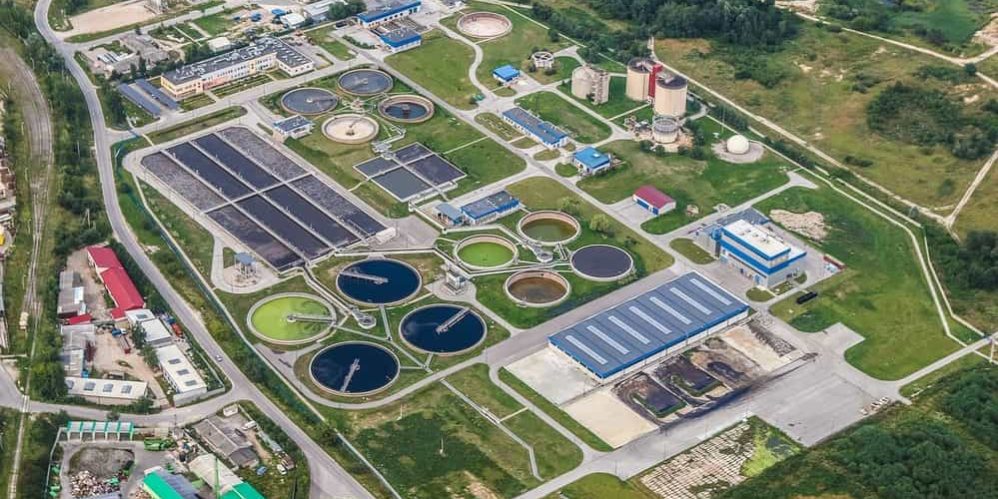
Le acque reflue urbane possono contenere batteri, virus, fosforo, azoto e altri inquinanti, per questo motivo devono essere trattate adeguatamente al fine di preservare l’ambiente e la salute urbana.

L’Unione Europea, al fine di raggiungere dei risultati omogenei in tutti i paesi membri, ha elaborato una direttiva sulle acque reflue che prevede la costruzione di infrastrutture per la raccolta e il trattamento delle acque reflue nelle aree urbane. La direttiva, adottata nel 1991, prevede il trattamento di tutti gli scarichi provenienti da agglomerati con 2000+ abitanti equivalenti, nonché il trattamento avanzato per gli scarichi provenienti da agglomerati di 10000+ abitanti equivalenti che si trovano in prossimità di bacini idrografici o in aree sensibili. Fondamentale è il monitoraggio delle prestazione degli impianti e il controllo dello smaltimento e riutilizzo dei fanghi di depurazione.

Gli ultimi dati pubblicati dall’Agenzia Europea dell’Ambiente (AEA) mostrano che la quota di acque reflue raccolte e trattate in linea con gli standard dell’UE è in aumento in tutta Europa, infatti, in tutta l’UE, circa il 90% delle acque reflue urbane viene raccolto e trattato in conformità con la direttiva UE sul trattamento delle acque reflue.

Tuttavia, persistono grandi differenze tra i paesi membri. Infatti, secondo i dati più recenti, solo quattro paesi trattano il 100% delle proprie acque reflue urbane in linea con gli standard europei, mentre al fondo della classifica ci sono cinque paesi che trattano meno della metà dei propri scarichi urbani. Vi sono poi altri 10 paesi che hanno ottenuto importanti risultati, raggiungendo e superando il 90% di acque reflue trattate.

I dati sono stati pubblicati dall’AEA nel proprio portale, utilizzando delle mappe interattive per mostrare gli impianti di trattamento delle acque reflue in tutta Europa. I profili dei paesi mostrano i dati riguardanti i propri progressi riguardo al trattamento degli scarichi, alla protezione dei sistemi idrici sensibili, all’uso dei fanghi di acque reflue e alle emissioni di gas serra dal settore del trattamento delle acque reflue.


Redazione Kleanoo
Kleanoo © 2026 — Vietata la riproduzione
Condividi questo articolo
Share on FacebookShare on Facebook Share on XShare on X Share on LinkedInShare on LinkedIn Share on WhatsAppShare on WhatsApp

Leggi anche

bidoni differenziata
Pubblicati i nuovi CAM per i rifiuti urbani
9 August 2022
raccolta carta e cartone
Nuovo record per la raccolta di carta e cartone nel 2021
2 August 2022
trattamento acque reflue
Depurare le acque reflue per produrre idrogeno verde
26 July 2022
digitalizzazione
R.E.N.T.Ri al Waste Management Europe
19 July 2022
silos di acque reflue
Veritas restituisce all’ambiente il 99,6% di acque depurate
14 June 2022
irrigazione in agricoltura
Acque reflue depurate per combattere la siccità
7 June 2022
Ricerca Articoli
Ultime notizie
  • bidoni differenziata
    Pubblicati i nuovi CAM per i rifiuti urbani
    9 August 2022
  • bidoni differenziata
    New MEC for municipal waste
    9 August 2022
  • raccolta carta e cartone
    Nuovo record per la raccolta di carta e cartone nel 2021
    2 August 2022
  • raccolta carta e cartone
    New record for paper and cardboard collection in 2021
    2 August 2022
  • trattamento acque reflue
    Treat wastewater to produce green hydrogen
    26 July 2022
  • trattamento acque reflue
    Treat wastewater to produce green hydrogen
    26 July 2022
  • trattamento acque reflue
    Depurare le acque reflue per produrre idrogeno verde
    26 July 2022
  • trattamento acque reflue
    Treat wastewater to produce green hydrogen
    26 July 2022
  • trattamento acque reflue
    Treat wastewater to produce green hydrogen
    26 July 2022
  • trattamento acque reflue
    Treat wastewater to produce green hydrogen
    26 July 2022

European wastewater treatment

You are here:
  1. Home
  2. Environment
  3. European wastewater treatment
EnvironmentEULegislationwastewater treatment plant

Urban wastewater can contain bacteria, viruses, phosphorus, nitrogen and other pollutants, which is why it must be treated properly in order to preserve the environment and urban health.

The European Union, in order to achieve homogeneous results in all member countries, has drawn up a directive on wastewater which provides for the construction of infrastructures for the collection and treatment of wastewater in urban areas. The directive, adopted in 1991, provides for the treatment of all discharges from agglomerations with 2000+ equivalent inhabitants, as well as advanced treatment for discharges from agglomerations of 10000+ equivalent inhabitants located near catchment areas or in sensitive areas. The monitoring of the performance of the plants and the control of the disposal and reuse of sewage sludge are fundamental.

The latest data published by the European Environment Agency (EEA) show that the share of wastewater collected and treated in line with EU standards is increasing across Europe. In fact, across the EU, around 90 % of urban wastewater is collected and treated in accordance with the EU wastewater treatment directive.

However, large differences persist between member countries. In fact, according to the most recent data, only four countries treat 100% of their urban wastewater in line with European standards, while at the bottom of the ranking there are five countries that treat less than half of their urban waste. There are also 10 other countries that have achieved important results, reaching and exceeding 90% of treated wastewater.

The data was published by the EEA on its portal, using interactive maps to show wastewater treatment plants across Europe. Country profiles show data regarding their progress regarding sewage treatment, protection of sensitive water systems, use of wastewater sludge and greenhouse gas emissions from the wastewater treatment sector.

Kleanoo Editorial Staff
Kleanoo © 2026 — Reproduction prohibited
Condividi questo articolo
Share on FacebookShare on Facebook Share on XShare on X Share on LinkedInShare on LinkedIn Share on WhatsAppShare on WhatsApp

Leggi anche

bidoni differenziata
New MEC for municipal waste
9 August 2022
raccolta carta e cartone
New record for paper and cardboard collection in 2021
2 August 2022
trattamento acque reflue
Treat wastewater to produce green hydrogen
26 July 2022
digitalizzazione
R.E.N.T.Ri at Waste Management Europe
19 July 2022
wastewater containers
Veritas returnes 99.6% of purified water to the environment
14 June 2022
irrigazione in agricoltura
Purified wastewater to fight drought
7 June 2022

European wastewater treatment

You are here:
  1. Home
  2. Écologie
  3. European wastewater treatment
ÉcologieRèglementsUEimpianto di depurazione acque reflue

Urban wastewater can contain bacteria, viruses, phosphorus, nitrogen and other pollutants, which is why it must be treated properly in order to preserve the environment and urban health.

The European Union, in order to achieve homogeneous results in all member countries, has drawn up a directive on wastewater which provides for the construction of infrastructures for the collection and treatment of wastewater in urban areas. The directive, adopted in 1991, provides for the treatment of all discharges from agglomerations with 2000+ equivalent inhabitants, as well as advanced treatment for discharges from agglomerations of 10000+ equivalent inhabitants located near catchment areas or in sensitive areas. The monitoring of the performance of the plants and the control of the disposal and reuse of sewage sludge are fundamental.

The latest data published by the European Environment Agency (EEA) show that the share of wastewater collected and treated in line with EU standards is increasing across Europe. In fact, across the EU, around 90 % of urban wastewater is collected and treated in accordance with the EU wastewater treatment directive.

However, large differences persist between member countries. In fact, according to the most recent data, only four countries treat 100% of their urban wastewater in line with European standards, while at the bottom of the ranking there are five countries that treat less than half of their urban waste. There are also 10 other countries that have achieved important results, reaching and exceeding 90% of treated wastewater.

The data was published by the EEA on its portal, using interactive maps to show wastewater treatment plants across Europe. Country profiles show data regarding their progress regarding sewage treatment, protection of sensitive water systems, use of wastewater sludge and greenhouse gas emissions from the wastewater treatment sector.

Kleanoo Editorial Staff
Kleanoo © 2026 — Reproduction prohibited
Condividi questo articolo
Share on FacebookShare on Facebook Share on XShare on X Share on LinkedInShare on LinkedIn Share on WhatsAppShare on WhatsApp

Leggi anche

trattamento acque reflue
Treat wastewater to produce green hydrogen
26 July 2022
silos di acque reflue
Veritas returnes 99.6% of purified water to the environment
14 June 2022
irrigazione in agricoltura
Purified wastewater to fight drought
7 June 2022
ladurner equipment full electric
Full electric vehicles of Ladurner Equipment in Naples: waste collection changes
24 May 2022
emissioni industriali
Producing energy from waste: first italian zero-emission biorefinery
17 May 2022
asfalto con impronte di scarpe
Modified asphalts: new life for ELT-recycled rubber
10 May 2022

European wastewater treatment

You are here:
  1. Home
  2. EU
  3. European wastewater treatment
EUÖkologieVorschriftenimpianto di depurazione acque reflue

Urban wastewater can contain bacteria, viruses, phosphorus, nitrogen and other pollutants, which is why it must be treated properly in order to preserve the environment and urban health.

The European Union, in order to achieve homogeneous results in all member countries, has drawn up a directive on wastewater which provides for the construction of infrastructures for the collection and treatment of wastewater in urban areas. The directive, adopted in 1991, provides for the treatment of all discharges from agglomerations with 2000+ equivalent inhabitants, as well as advanced treatment for discharges from agglomerations of 10000+ equivalent inhabitants located near catchment areas or in sensitive areas. The monitoring of the performance of the plants and the control of the disposal and reuse of sewage sludge are fundamental.

The latest data published by the European Environment Agency (EEA) show that the share of wastewater collected and treated in line with EU standards is increasing across Europe. In fact, across the EU, around 90 % of urban wastewater is collected and treated in accordance with the EU wastewater treatment directive.

However, large differences persist between member countries. In fact, according to the most recent data, only four countries treat 100% of their urban wastewater in line with European standards, while at the bottom of the ranking there are five countries that treat less than half of their urban waste. There are also 10 other countries that have achieved important results, reaching and exceeding 90% of treated wastewater.

The data was published by the EEA on its portal, using interactive maps to show wastewater treatment plants across Europe. Country profiles show data regarding their progress regarding sewage treatment, protection of sensitive water systems, use of wastewater sludge and greenhouse gas emissions from the wastewater treatment sector.

Kleanoo Editorial Staff
Kleanoo © 2026 — Reproduction prohibited
Condividi questo articolo
Share on FacebookShare on Facebook Share on XShare on X Share on LinkedInShare on LinkedIn Share on WhatsAppShare on WhatsApp

Leggi anche

trattamento acque reflue
Treat wastewater to produce green hydrogen
26 July 2022
silos di acque reflue
Veritas returnes 99.6% of purified water to the environment
14 June 2022
irrigazione in agricoltura
Purified wastewater to fight drought
7 June 2022
ladurner equipment full electric
Full electric vehicles of Ladurner Equipment in Naples: waste collection changes
24 May 2022
emissioni industriali
Producing energy from waste: first italian zero-emission biorefinery
17 May 2022
asfalto con impronte di scarpe
Modified asphalts: new life for ELT-recycled rubber
10 May 2022

European wastewater treatment

You are here:
  1. Home
  2. Legislação
  3. European wastewater treatment
LegislaçãoMeio Ambiente/SustentabilidadeUEimpianto di depurazione acque reflue

Urban wastewater can contain bacteria, viruses, phosphorus, nitrogen and other pollutants, which is why it must be treated properly in order to preserve the environment and urban health.

The European Union, in order to achieve homogeneous results in all member countries, has drawn up a directive on wastewater which provides for the construction of infrastructures for the collection and treatment of wastewater in urban areas. The directive, adopted in 1991, provides for the treatment of all discharges from agglomerations with 2000+ equivalent inhabitants, as well as advanced treatment for discharges from agglomerations of 10000+ equivalent inhabitants located near catchment areas or in sensitive areas. The monitoring of the performance of the plants and the control of the disposal and reuse of sewage sludge are fundamental.

The latest data published by the European Environment Agency (EEA) show that the share of wastewater collected and treated in line with EU standards is increasing across Europe. In fact, across the EU, around 90 % of urban wastewater is collected and treated in accordance with the EU wastewater treatment directive.

However, large differences persist between member countries. In fact, according to the most recent data, only four countries treat 100% of their urban wastewater in line with European standards, while at the bottom of the ranking there are five countries that treat less than half of their urban waste. There are also 10 other countries that have achieved important results, reaching and exceeding 90% of treated wastewater.

The data was published by the EEA on its portal, using interactive maps to show wastewater treatment plants across Europe. Country profiles show data regarding their progress regarding sewage treatment, protection of sensitive water systems, use of wastewater sludge and greenhouse gas emissions from the wastewater treatment sector.

Kleanoo Editorial Staff
Kleanoo © 2026 — Reproduction prohibited
Condividi questo articolo
Share on FacebookShare on Facebook Share on XShare on X Share on LinkedInShare on LinkedIn Share on WhatsAppShare on WhatsApp

Leggi anche

trattamento acque reflue
Treat wastewater to produce green hydrogen
26 July 2022
silos di acque reflue
Veritas returnes 99.6% of purified water to the environment
14 June 2022
irrigazione in agricoltura
Purified wastewater to fight drought
7 June 2022
ladurner equipment full electric
Full electric vehicles of Ladurner Equipment in Naples: waste collection changes
24 May 2022
emissioni industriali
Producing energy from waste: first italian zero-emission biorefinery
17 May 2022
asfalto con impronte di scarpe
Modified asphalts: new life for ELT-recycled rubber
10 May 2022

European wastewater treatment

You are here:
  1. Home
  2. Ecología
  3. European wastewater treatment
EcologíaNormasUEimpianto di depurazione acque reflue

Urban wastewater can contain bacteria, viruses, phosphorus, nitrogen and other pollutants, which is why it must be treated properly in order to preserve the environment and urban health.

The European Union, in order to achieve homogeneous results in all member countries, has drawn up a directive on wastewater which provides for the construction of infrastructures for the collection and treatment of wastewater in urban areas. The directive, adopted in 1991, provides for the treatment of all discharges from agglomerations with 2000+ equivalent inhabitants, as well as advanced treatment for discharges from agglomerations of 10000+ equivalent inhabitants located near catchment areas or in sensitive areas. The monitoring of the performance of the plants and the control of the disposal and reuse of sewage sludge are fundamental.

The latest data published by the European Environment Agency (EEA) show that the share of wastewater collected and treated in line with EU standards is increasing across Europe. In fact, across the EU, around 90 % of urban wastewater is collected and treated in accordance with the EU wastewater treatment directive.

However, large differences persist between member countries. In fact, according to the most recent data, only four countries treat 100% of their urban wastewater in line with European standards, while at the bottom of the ranking there are five countries that treat less than half of their urban waste. There are also 10 other countries that have achieved important results, reaching and exceeding 90% of treated wastewater.

The data was published by the EEA on its portal, using interactive maps to show wastewater treatment plants across Europe. Country profiles show data regarding their progress regarding sewage treatment, protection of sensitive water systems, use of wastewater sludge and greenhouse gas emissions from the wastewater treatment sector.

Kleanoo Editorial Staff
Kleanoo © 2026 — Reproduction prohibited
Condividi questo articolo
Share on FacebookShare on Facebook Share on XShare on X Share on LinkedInShare on LinkedIn Share on WhatsAppShare on WhatsApp

Leggi anche

trattamento acque reflue
Treat wastewater to produce green hydrogen
26 July 2022
silos di acque reflue
Veritas returnes 99.6% of purified water to the environment
14 June 2022
irrigazione in agricoltura
Purified wastewater to fight drought
7 June 2022
ladurner equipment full electric
Full electric vehicles of Ladurner Equipment in Naples: waste collection changes
24 May 2022
emissioni industriali
Producing energy from waste: first italian zero-emission biorefinery
17 May 2022
asfalto con impronte di scarpe
Modified asphalts: new life for ELT-recycled rubber
10 May 2022
Informazioni di Contatto
Utilizza i recapiti sottostanti per poterti mettere in contatto con un membro del nostro team. In alternativa puoi compilare il form per inviarci un messaggio.
  • Indirizzo
    Via Marco Beato Ongaro 11
    31015 Conegliano (TV)
  • Telefono
    +39 353 439 9515
    +39 0438 1963696
  • E-mail
    info@kleanoo.com

    Kleanoo
    Kleanoo © 2026
    Kleanoo è un marchio registrato di Vakoom Srl
    Partita IVA: IT 03945270266
    Site design by ADMP
    • Privacy Policy
    • Cookie Policy
    Menu Footer

    Go to Top