

È stato preso accordo colossale, tra la Bosch e la Qingling Motors, e tratterà di sviluppo, assemblaggio e commercializzazione di sistemi di celle a combustibile alimentate a idrogeno. La collaborazione, chiamata Bosch Hydrogen Powertrain Systems, avrà sede a Chongqing in Cina, a sancire un impegno che dura ormai da diversi anni tra le due grandi aziende nel Paese del Sol Levante. Lo scopo sarà quello di sviluppare il mercato soprattutto cinese delle celle a combustibile puntando a una nuova tipologia di motorizzazione che vedrà l’immatricolazione di oltre un milione di veicoli di questo tipo per il 2030.
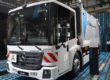
Verrà dunque irrobustito il settore automotive cinese, attraverso la realizzazione di componenti come pile a combustibile, centralina elettronica con sensori e compressore con elettronica di potenza, tutti elementi prodotti nello stabilimento cinese di Wuxi. Già settanta autocarri Qingling provvisti di Fuel Cell Power Module vedranno la luce il prossimo anno, con il lancio in serie del sistema previsto per il 2022 e il 2023.
D’altronde il futuro di questo tipo di mobilità deve necessariamente passare verso questo tipo di transizione energetica: specialmente per i veicoli pesanti e di grandi dimensioni, le celle a combustibili alimentate a idrogeno possono avere risultati migliori rispetto al sistema di propulsione elettrico a batteria.
Non è tuttavia l’unico esempio portato avanti da Bosch in merito all’industrializzazione delle celle a combustibile: l’azienda sta infatti spingendo in quest’ambito anche negli stabilimenti di Bamberg, Feuerbach e Homburg in Germania e, insieme a Powercell, di proprietà svedese, sta lavorando alla pila a combustibile, per poterla commercializzare su larga scala nel 2022.