

Skip to content
Kleanoo
The Eco-Network
KleanooKleanoo
  • Compra & VendiIn modo semplice, veloce e sicuro
  • Portale NotizieTecnologie, innovazioni e normative
  • Pronta ConsegnaVeicoli in pronta consegna by Vakoom
  • ContattiHai un dubbio o una domanda?
Chiudi Menu
  • Compra & VendiIn modo semplice, veloce e sicuro
  • Portale NotizieTecnologie, innovazioni e normative
  • Pronta ConsegnaVeicoli in pronta consegna by Vakoom
  • ContattiHai un dubbio o una domanda?

An electric and solar powered car

You are here:
  1. Home
  2. Environment
  3. An electric and solar powered…
EnvironmentTechnology

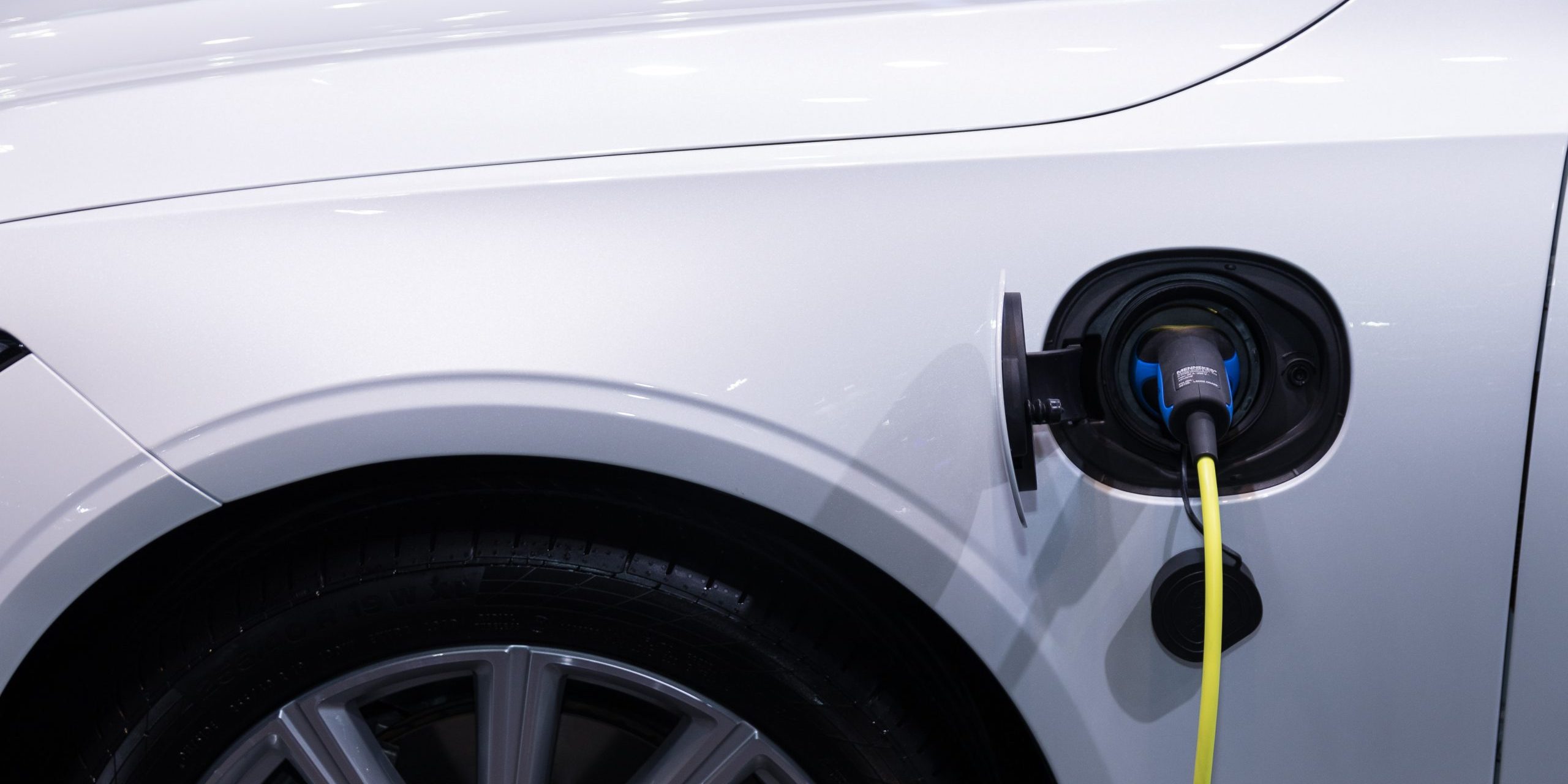
The future is here: the Japanese chemical and pharmaceutical company Tejihn and Applied Electric Vehicles, have designed and built the first photovoltaic passenger vehicle, electric and with a solar roof, built with a special polycarbonate resin called Panlite.

An innovative material which, if used for this type of technology, is easy to model, while remaining sturdy and shock-resistant, as well as of course to keep the photovoltaic cells that allow the vehicle to move in an excellent way. The power reached and recorded by the vehicle is about 330 W, exactly like that of the usual conventional glass panels. But there is more: the roof contributes up to 30% of the robot’s energy demand in its ideal conditions, which can lead the vehicle to reach from 30 to 55 kilometers, without forgetting the electrical nature of the vehicle, with which the panel is integrates perfectly. The prototype on which this special machine was installed is a platform called Blanc Robot, specialized in zero-emission robotic vehicles, fully programmable and adaptable to different systems according to drive by wire technology.

The idea will be to design other bodywork components with glass and external panels and to put it into production in 2022.

Kleanoo Editorial Staff
Kleanoo © 2026 — Reproduction Prohibited
Condividi questo articolo
Share on FacebookShare on Facebook Share on XShare on X Share on LinkedInShare on LinkedIn Share on WhatsAppShare on WhatsApp

Leggi anche

bidoni differenziata
New MEC for municipal waste
9 August 2022
raccolta carta e cartone
New record for paper and cardboard collection in 2021
2 August 2022
trattamento acque reflue
Treat wastewater to produce green hydrogen
26 July 2022
digitalizzazione
R.E.N.T.Ri at Waste Management Europe
19 July 2022
impianto depurazione reflui
Digital solutions for the water cycle
12 July 2022
eeconic mercedes benz
IFAT 2022: Mercedes’ eEconic unveiled
28 June 2022
Richiedi informazioni

Questo veicolo si trova in un sito esterno. Per informazioni chiamaci al +39 353 439 9515 oppure compila il form sottostante.

    I dati si intendono forniti a semplice titolo indicativo e non impegnativo. Kleanoo si riserva di apportare modifiche in qualunque momento e senza pubblico avviso.

    An electric and solar powered car

    You are here:
    1. Home
    2. Écologie
    3. An electric and solar powered…
    ÉcologieTechnologie

    The future is here: the Japanese chemical and pharmaceutical company Tejihn and Applied Electric Vehicles, have designed and built the first photovoltaic passenger vehicle, electric and with a solar roof, built with a special polycarbonate resin called Panlite.

    An innovative material which, if used for this type of technology, is easy to model, while remaining sturdy and shock-resistant, as well as of course to keep the photovoltaic cells that allow the vehicle to move in an excellent way. The power reached and recorded by the vehicle is about 330 W, exactly like that of the usual conventional glass panels. But there is more: the roof contributes up to 30% of the robot’s energy demand in its ideal conditions, which can lead the vehicle to reach from 30 to 55 kilometers, without forgetting the electrical nature of the vehicle, with which the panel is integrates perfectly. The prototype on which this special machine was installed is a platform called Blanc Robot, specialized in zero-emission robotic vehicles, fully programmable and adaptable to different systems according to drive by wire technology.

    The idea will be to design other bodywork components with glass and external panels and to put it into production in 2022.

    Kleanoo Editorial Staff
    Kleanoo © 2026 — Reproduction Prohibited
    Condividi questo articolo
    Share on FacebookShare on Facebook Share on XShare on X Share on LinkedInShare on LinkedIn Share on WhatsAppShare on WhatsApp

    Leggi anche

    trattamento acque reflue
    Treat wastewater to produce green hydrogen
    26 July 2022
    impianto depurazione reflui
    Digital solutions for the water cycle
    12 July 2022
    eeconic mercedes benz
    IFAT 2022: Mercedes’ eEconic unveiled
    28 June 2022
    raccolta differenziata carta e cartone
    India supports the development of technological solutions for waste management
    21 June 2022
    silos di acque reflue
    Veritas returnes 99.6% of purified water to the environment
    14 June 2022
    irrigazione in agricoltura
    Purified wastewater to fight drought
    7 June 2022

    An electric and solar powered car

    You are here:
    1. Home
    2. Ökologie
    3. An electric and solar powered…
    ÖkologieTechnologie

    The future is here: the Japanese chemical and pharmaceutical company Tejihn and Applied Electric Vehicles, have designed and built the first photovoltaic passenger vehicle, electric and with a solar roof, built with a special polycarbonate resin called Panlite.

    An innovative material which, if used for this type of technology, is easy to model, while remaining sturdy and shock-resistant, as well as of course to keep the photovoltaic cells that allow the vehicle to move in an excellent way. The power reached and recorded by the vehicle is about 330 W, exactly like that of the usual conventional glass panels. But there is more: the roof contributes up to 30% of the robot’s energy demand in its ideal conditions, which can lead the vehicle to reach from 30 to 55 kilometers, without forgetting the electrical nature of the vehicle, with which the panel is integrates perfectly. The prototype on which this special machine was installed is a platform called Blanc Robot, specialized in zero-emission robotic vehicles, fully programmable and adaptable to different systems according to drive by wire technology.

    The idea will be to design other bodywork components with glass and external panels and to put it into production in 2022.

    Kleanoo Editorial Staff
    Kleanoo © 2026 — Reproduction Prohibited
    Condividi questo articolo
    Share on FacebookShare on Facebook Share on XShare on X Share on LinkedInShare on LinkedIn Share on WhatsAppShare on WhatsApp

    Leggi anche

    trattamento acque reflue
    Treat wastewater to produce green hydrogen
    26 July 2022
    impianto depurazione reflui
    Digital solutions for the water cycle
    12 July 2022
    eeconic mercedes benz
    IFAT 2022: Mercedes’ eEconic unveiled
    28 June 2022
    raccolta differenziata carta e cartone
    India supports the development of technological solutions for waste management
    21 June 2022
    silos di acque reflue
    Veritas returnes 99.6% of purified water to the environment
    14 June 2022
    irrigazione in agricoltura
    Purified wastewater to fight drought
    7 June 2022

    An electric and solar powered car

    You are here:
    1. Home
    2. Meio Ambiente/Sustentabilidade
    3. An electric and solar powered…
    Meio Ambiente/SustentabilidadeTecnologia

    The future is here: the Japanese chemical and pharmaceutical company Tejihn and Applied Electric Vehicles, have designed and built the first photovoltaic passenger vehicle, electric and with a solar roof, built with a special polycarbonate resin called Panlite.

    An innovative material which, if used for this type of technology, is easy to model, while remaining sturdy and shock-resistant, as well as of course to keep the photovoltaic cells that allow the vehicle to move in an excellent way. The power reached and recorded by the vehicle is about 330 W, exactly like that of the usual conventional glass panels. But there is more: the roof contributes up to 30% of the robot’s energy demand in its ideal conditions, which can lead the vehicle to reach from 30 to 55 kilometers, without forgetting the electrical nature of the vehicle, with which the panel is integrates perfectly. The prototype on which this special machine was installed is a platform called Blanc Robot, specialized in zero-emission robotic vehicles, fully programmable and adaptable to different systems according to drive by wire technology.

    The idea will be to design other bodywork components with glass and external panels and to put it into production in 2022.

    Kleanoo Editorial Staff
    Kleanoo © 2026 — Reproduction Prohibited
    Condividi questo articolo
    Share on FacebookShare on Facebook Share on XShare on X Share on LinkedInShare on LinkedIn Share on WhatsAppShare on WhatsApp

    Leggi anche

    trattamento acque reflue
    Treat wastewater to produce green hydrogen
    26 July 2022
    impianto depurazione reflui
    Digital solutions for the water cycle
    12 July 2022
    eeconic mercedes benz
    IFAT 2022: Mercedes’ eEconic unveiled
    28 June 2022
    raccolta differenziata carta e cartone
    India supports the development of technological solutions for waste management
    21 June 2022
    silos di acque reflue
    Veritas returnes 99.6% of purified water to the environment
    14 June 2022
    irrigazione in agricoltura
    Purified wastewater to fight drought
    7 June 2022

    An electric and solar powered car

    You are here:
    1. Home
    2. Ecología
    3. An electric and solar powered…
    EcologíaTecnología

    The future is here: the Japanese chemical and pharmaceutical company Tejihn and Applied Electric Vehicles, have designed and built the first photovoltaic passenger vehicle, electric and with a solar roof, built with a special polycarbonate resin called Panlite.

    An innovative material which, if used for this type of technology, is easy to model, while remaining sturdy and shock-resistant, as well as of course to keep the photovoltaic cells that allow the vehicle to move in an excellent way. The power reached and recorded by the vehicle is about 330 W, exactly like that of the usual conventional glass panels. But there is more: the roof contributes up to 30% of the robot’s energy demand in its ideal conditions, which can lead the vehicle to reach from 30 to 55 kilometers, without forgetting the electrical nature of the vehicle, with which the panel is integrates perfectly. The prototype on which this special machine was installed is a platform called Blanc Robot, specialized in zero-emission robotic vehicles, fully programmable and adaptable to different systems according to drive by wire technology.

    The idea will be to design other bodywork components with glass and external panels and to put it into production in 2022.

    Kleanoo Editorial Staff
    Kleanoo © 2026 — Reproduction Prohibited
    Condividi questo articolo
    Share on FacebookShare on Facebook Share on XShare on X Share on LinkedInShare on LinkedIn Share on WhatsAppShare on WhatsApp

    Leggi anche

    trattamento acque reflue
    Treat wastewater to produce green hydrogen
    26 July 2022
    impianto depurazione reflui
    Digital solutions for the water cycle
    12 July 2022
    eeconic mercedes benz
    IFAT 2022: Mercedes’ eEconic unveiled
    28 June 2022
    raccolta differenziata carta e cartone
    India supports the development of technological solutions for waste management
    21 June 2022
    silos di acque reflue
    Veritas returnes 99.6% of purified water to the environment
    14 June 2022
    irrigazione in agricoltura
    Purified wastewater to fight drought
    7 June 2022

    Un’auto elettrica e ad energia solare

    You are here:
    1. Home
    2. Ecologia
    3. Un’auto elettrica e ad energia…
    EcologiaTecnologia

    Il futuro è qui: la compagnia chimica e farmaceutica giapponese Tejihn e la Applied Electric Vehicles, hanno progettato e realizzato il primo veicolo fotovoltaico per passeggeri, elettrico e con tetto solare, costruito con una speciale resina di policarbonato chiamata Panlite.

    Un materiale innovativo che, se sfruttato per questo tipo di tecnologia, risulta di facile modellazione, pur rimanendo robusto e resistente agli urti, oltre ovviamente a custodire in modo eccellente le celle fotovoltaiche che permettono al mezzo di muoversi. La potenza raggiunta e registrata dal veicolo è di circa 330 W, esattamente come quello dei consueti pannelli convenzionali di vetro. Ma c’è di più: il tettuccio contribuisce fino al 30% della domanda energetica del robot nelle sue condizioni ideali, che può portare il mezzo a raggiungere da 30 a 55 chilometri, senza dimenticare la natura elettrica del mezzo, con cui il pannello si integra alla perfezione. Il prototipo su cui è stato installato questa macchina speciale è una piattaforma chiamata Blanc Robot, specializzata in veicoli robotici a zero emissioni, completamente programmabile e adattabile a diversi sistemi secondo la tecnologia drive by wire.

    L’idea sarà quella di progettare anche altre componenti della carrozzeria con vetri e pannelli esterni e di immetterlo in produzione nel 2022.


    Redazione Kleanoo
    Kleanoo © 2026 — Vietata la riproduzione
    Condividi questo articolo
    Share on FacebookShare on Facebook Share on XShare on X Share on LinkedInShare on LinkedIn Share on WhatsAppShare on WhatsApp

    Leggi anche

    bidoni differenziata
    Pubblicati i nuovi CAM per i rifiuti urbani
    9 August 2022
    raccolta carta e cartone
    Nuovo record per la raccolta di carta e cartone nel 2021
    2 August 2022
    trattamento acque reflue
    Depurare le acque reflue per produrre idrogeno verde
    26 July 2022
    digitalizzazione
    R.E.N.T.Ri al Waste Management Europe
    19 July 2022
    impianto depurazione reflui
    Soluzioni digitali per il ciclo dell’acqua
    12 July 2022
    eeconic mercedes benz
    IFAT 2022: presentato l’eEconic di Mercedes
    28 June 2022
    Informazioni di Contatto
    Utilizza i recapiti sottostanti per poterti mettere in contatto con un membro del nostro team. In alternativa puoi compilare il form per inviarci un messaggio.
    • Indirizzo
      Via Marco Beato Ongaro 11
      31015 Conegliano (TV)
    • Telefono
      +39 353 439 9515
      +39 0438 1963696
    • E-mail
      info@kleanoo.com

      Kleanoo
      Kleanoo © 2026
      Kleanoo è un marchio registrato di Vakoom Srl
      Partita IVA: IT 03945270266
      Site design by ADMP
      • Privacy Policy
      • Cookie Policy
      Menu Footer

      Go to Top