


Skip to content
Kleanoo
The Eco-Network
KleanooKleanoo
  • Compra & VendiIn modo semplice, veloce e sicuro
  • Portale NotizieTecnologie, innovazioni e normative
  • Pronta ConsegnaVeicoli in pronta consegna by Vakoom
  • ContattiHai un dubbio o una domanda?
Chiudi Menu
  • Compra & VendiIn modo semplice, veloce e sicuro
  • Portale NotizieTecnologie, innovazioni e normative
  • Pronta ConsegnaVeicoli in pronta consegna by Vakoom
  • ContattiHai un dubbio o una domanda?

Utilizzare le acque reflue per viaggiare nello spazio

You are here:
  1. Home
  2. Ecologia
  3. Utilizzare le acque reflue per…
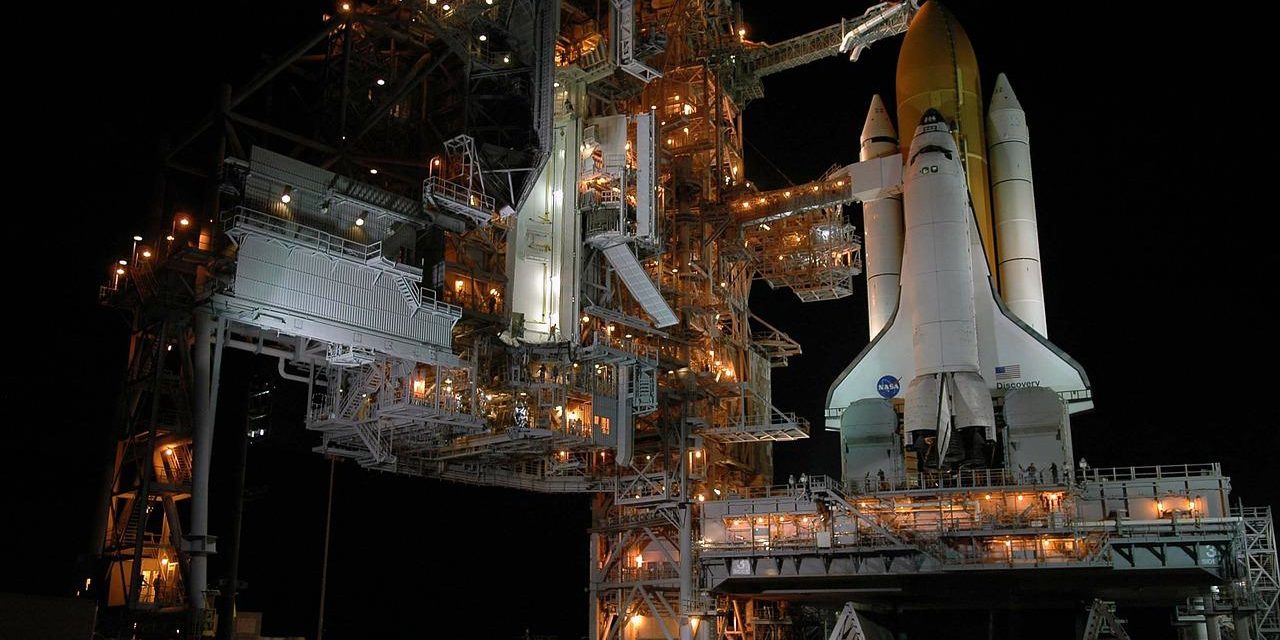
EcologiaTecnologianavicella spaziale di notte

In questo periodo ci si sta preparando al futuro viaggio su Marte e sono sorti alcuni dubbi, concernenti in particolare il viaggio, e si sta pensando a come ottimizzarlo al meglio.

Uno dei problemi principali riguarda il carburante necessario per gli spostamenti e la permanenza sul pianeta: quanto ne servirebbe? E nel caso dovessero esserci danni alle cisterne, come potrebbero risolvere il problema?

A dare una risposta ci sta pensando un centro tecnologico spagnolo, che sta lavorando ad un sistema che produrrebbe carburante dalle acque reflue grazie alla luce del sole e l’anidride carbonica presente sul pianeta.

Si tratta del primo reattore esistente capace di produrre propellente spaziale utilizzando l’aria del pianeta e le acque reflue prodotte dagli astronauti. Il reattore lavora tramite un sistema fotoelettrochimico, il quale permetterebbe di pulire le acque reflue per essere utilizzate come liquidi e carburante.

Si tratta di un sistema che è ancora in fase di testing, ma che potrebbe facilitare e rivoluzionare i viaggi spaziali a lungo termine, nonché di ridurre la CO2 presente e gestire efficientemente le risorse disponibili durante le spedizioni.


Redazione Kleanoo
Kleanoo © 2025 — Vietata la riproduzione
Condividi questo articolo
Share on FacebookShare on Facebook Share on XShare on X Share on LinkedInShare on LinkedIn Share on WhatsAppShare on WhatsApp

Leggi anche

bidoni differenziata
Pubblicati i nuovi CAM per i rifiuti urbani
9 August 2022
raccolta carta e cartone
Nuovo record per la raccolta di carta e cartone nel 2021
2 August 2022
trattamento acque reflue
Depurare le acque reflue per produrre idrogeno verde
26 July 2022
digitalizzazione
R.E.N.T.Ri al Waste Management Europe
19 July 2022
impianto depurazione reflui
Soluzioni digitali per il ciclo dell’acqua
12 July 2022
eeconic mercedes benz
IFAT 2022: presentato l’eEconic di Mercedes
28 June 2022
Ricerca Articoli
Ultime notizie
  • bidoni differenziata
    Pubblicati i nuovi CAM per i rifiuti urbani
    9 August 2022
  • bidoni differenziata
    New MEC for municipal waste
    9 August 2022
  • raccolta carta e cartone
    Nuovo record per la raccolta di carta e cartone nel 2021
    2 August 2022
  • raccolta carta e cartone
    New record for paper and cardboard collection in 2021
    2 August 2022
  • trattamento acque reflue
    Treat wastewater to produce green hydrogen
    26 July 2022
  • trattamento acque reflue
    Treat wastewater to produce green hydrogen
    26 July 2022
  • trattamento acque reflue
    Depurare le acque reflue per produrre idrogeno verde
    26 July 2022
  • trattamento acque reflue
    Treat wastewater to produce green hydrogen
    26 July 2022
  • trattamento acque reflue
    Treat wastewater to produce green hydrogen
    26 July 2022
  • trattamento acque reflue
    Treat wastewater to produce green hydrogen
    26 July 2022

Use wastewater to travel in space

You are here:
  1. Home
  2. Environment
  3. Use wastewater to travel in…
EnvironmentTechnologyspace shuttle by night

In this period Space Centers are preparing for the future trip on Mars and some doubts have arisen, particularly concerning the trip, and they are thinking about how to optimize it.

One of the main problems concerns the fuel needed to travel and stay on the planet: how much would it take? And if there is damage to the tanks, how can they solve the problem?

A Spanish technology centre is working on an answer: a system that would produce fuel from wastewater thanks to sunlight and the carbon dioxide present on the planet.

It is the first existing reactor capable of producing space propellant using the air of the planet and the wastewater produced by astronauts. The reactor works through a photoelectrochemical system, which would allow to clean the wastewater to be used as liquids and fuel.

This system is still being tested, but it could facilitate and revolutionize space travel in the long term, as well as reduce the CO2 present and efficiently manage the resources available during shipments.

Kleanoo Editorial Staff
Kleanoo © 2025 — Reproduction prohibited
Condividi questo articolo
Share on FacebookShare on Facebook Share on XShare on X Share on LinkedInShare on LinkedIn Share on WhatsAppShare on WhatsApp

Leggi anche

bidoni differenziata
New MEC for municipal waste
9 August 2022
raccolta carta e cartone
New record for paper and cardboard collection in 2021
2 August 2022
trattamento acque reflue
Treat wastewater to produce green hydrogen
26 July 2022
digitalizzazione
R.E.N.T.Ri at Waste Management Europe
19 July 2022
impianto depurazione reflui
Digital solutions for the water cycle
12 July 2022
eeconic mercedes benz
IFAT 2022: Mercedes’ eEconic unveiled
28 June 2022

Use wastewater to travel in space

You are here:
  1. Home
  2. Écologie
  3. Use wastewater to travel in…
ÉcologieTechnologienavicella spaziale di notte

In this period Space Centers are preparing for the future trip on Mars and some doubts have arisen, particularly concerning the trip, and they are thinking about how to optimize it.

One of the main problems concerns the fuel needed to travel and stay on the planet: how much would it take? And if there is damage to the tanks, how can they solve the problem?

A Spanish technology centre is working on an answer: a system that would produce fuel from wastewater thanks to sunlight and the carbon dioxide present on the planet.

It is the first existing reactor capable of producing space propellant using the air of the planet and the wastewater produced by astronauts. The reactor works through a photoelectrochemical system, which would allow to clean the wastewater to be used as liquids and fuel.

This system is still being tested, but it could facilitate and revolutionize space travel in the long term, as well as reduce the CO2 present and efficiently manage the resources available during shipments.

Kleanoo Editorial Staff
Kleanoo © 2025 — Reproduction prohibited
Condividi questo articolo
Share on FacebookShare on Facebook Share on XShare on X Share on LinkedInShare on LinkedIn Share on WhatsAppShare on WhatsApp

Leggi anche

trattamento acque reflue
Treat wastewater to produce green hydrogen
26 July 2022
impianto depurazione reflui
Digital solutions for the water cycle
12 July 2022
eeconic mercedes benz
IFAT 2022: Mercedes’ eEconic unveiled
28 June 2022
raccolta differenziata carta e cartone
India supports the development of technological solutions for waste management
21 June 2022
silos di acque reflue
Veritas returnes 99.6% of purified water to the environment
14 June 2022
irrigazione in agricoltura
Purified wastewater to fight drought
7 June 2022

Use wastewater to travel in space

You are here:
  1. Home
  2. Ökologie
  3. Use wastewater to travel in…
ÖkologieTechnologienavicella spaziale di notte

In this period Space Centers are preparing for the future trip on Mars and some doubts have arisen, particularly concerning the trip, and they are thinking about how to optimize it.

One of the main problems concerns the fuel needed to travel and stay on the planet: how much would it take? And if there is damage to the tanks, how can they solve the problem?

A Spanish technology centre is working on an answer: a system that would produce fuel from wastewater thanks to sunlight and the carbon dioxide present on the planet.

It is the first existing reactor capable of producing space propellant using the air of the planet and the wastewater produced by astronauts. The reactor works through a photoelectrochemical system, which would allow to clean the wastewater to be used as liquids and fuel.

This system is still being tested, but it could facilitate and revolutionize space travel in the long term, as well as reduce the CO2 present and efficiently manage the resources available during shipments.

Kleanoo Editorial Staff
Kleanoo © 2025 — Reproduction prohibited
Condividi questo articolo
Share on FacebookShare on Facebook Share on XShare on X Share on LinkedInShare on LinkedIn Share on WhatsAppShare on WhatsApp

Leggi anche

trattamento acque reflue
Treat wastewater to produce green hydrogen
26 July 2022
impianto depurazione reflui
Digital solutions for the water cycle
12 July 2022
eeconic mercedes benz
IFAT 2022: Mercedes’ eEconic unveiled
28 June 2022
raccolta differenziata carta e cartone
India supports the development of technological solutions for waste management
21 June 2022
silos di acque reflue
Veritas returnes 99.6% of purified water to the environment
14 June 2022
irrigazione in agricoltura
Purified wastewater to fight drought
7 June 2022

Use wastewater to travel in space

You are here:
  1. Home
  2. Meio Ambiente/Sustentabilidade
  3. Use wastewater to travel in…
Meio Ambiente/SustentabilidadeTecnologianavicella spaziale di notte

In this period Space Centers are preparing for the future trip on Mars and some doubts have arisen, particularly concerning the trip, and they are thinking about how to optimize it.

One of the main problems concerns the fuel needed to travel and stay on the planet: how much would it take? And if there is damage to the tanks, how can they solve the problem?

A Spanish technology centre is working on an answer: a system that would produce fuel from wastewater thanks to sunlight and the carbon dioxide present on the planet.

It is the first existing reactor capable of producing space propellant using the air of the planet and the wastewater produced by astronauts. The reactor works through a photoelectrochemical system, which would allow to clean the wastewater to be used as liquids and fuel.

This system is still being tested, but it could facilitate and revolutionize space travel in the long term, as well as reduce the CO2 present and efficiently manage the resources available during shipments.

Kleanoo Editorial Staff
Kleanoo © 2025 — Reproduction prohibited
Condividi questo articolo
Share on FacebookShare on Facebook Share on XShare on X Share on LinkedInShare on LinkedIn Share on WhatsAppShare on WhatsApp

Leggi anche

trattamento acque reflue
Treat wastewater to produce green hydrogen
26 July 2022
impianto depurazione reflui
Digital solutions for the water cycle
12 July 2022
eeconic mercedes benz
IFAT 2022: Mercedes’ eEconic unveiled
28 June 2022
raccolta differenziata carta e cartone
India supports the development of technological solutions for waste management
21 June 2022
silos di acque reflue
Veritas returnes 99.6% of purified water to the environment
14 June 2022
irrigazione in agricoltura
Purified wastewater to fight drought
7 June 2022

Use wastewater to travel in space

You are here:
  1. Home
  2. Ecología
  3. Use wastewater to travel in…
EcologíaTecnologíanavicella spaziale di notte

In this period Space Centers are preparing for the future trip on Mars and some doubts have arisen, particularly concerning the trip, and they are thinking about how to optimize it.

One of the main problems concerns the fuel needed to travel and stay on the planet: how much would it take? And if there is damage to the tanks, how can they solve the problem?

A Spanish technology centre is working on an answer: a system that would produce fuel from wastewater thanks to sunlight and the carbon dioxide present on the planet.

It is the first existing reactor capable of producing space propellant using the air of the planet and the wastewater produced by astronauts. The reactor works through a photoelectrochemical system, which would allow to clean the wastewater to be used as liquids and fuel.

This system is still being tested, but it could facilitate and revolutionize space travel in the long term, as well as reduce the CO2 present and efficiently manage the resources available during shipments.

Kleanoo Editorial Staff
Kleanoo © 2025 — Reproduction prohibited
Condividi questo articolo
Share on FacebookShare on Facebook Share on XShare on X Share on LinkedInShare on LinkedIn Share on WhatsAppShare on WhatsApp

Leggi anche

trattamento acque reflue
Treat wastewater to produce green hydrogen
26 July 2022
impianto depurazione reflui
Digital solutions for the water cycle
12 July 2022
eeconic mercedes benz
IFAT 2022: Mercedes’ eEconic unveiled
28 June 2022
raccolta differenziata carta e cartone
India supports the development of technological solutions for waste management
21 June 2022
silos di acque reflue
Veritas returnes 99.6% of purified water to the environment
14 June 2022
irrigazione in agricoltura
Purified wastewater to fight drought
7 June 2022
Informazioni di Contatto
Utilizza i recapiti sottostanti per poterti mettere in contatto con un membro del nostro team. In alternativa puoi compilare il form per inviarci un messaggio.
  • Indirizzo
    Via Marco Beato Ongaro 11
    31015 Conegliano (TV)
  • Telefono
    +39 353 439 9515
    +39 0438 1963696
  • E-mail
    info@kleanoo.com

    Kleanoo
    Kleanoo © 2025
    Kleanoo è un marchio registrato di Vakoom Srl
    Partita IVA: IT 03945270266
    Site design by ADMP
    • Privacy Policy
    • Cookie Policy
    Menu Footer

    Go to Top