


Skip to content
Kleanoo
The Eco-Network
KleanooKleanoo
  • Compra & VendiIn modo semplice, veloce e sicuro
  • Portale NotizieTecnologie, innovazioni e normative
  • Pronta ConsegnaVeicoli in pronta consegna by Vakoom
  • ContattiHai un dubbio o una domanda?
Chiudi Menu
  • Compra & VendiIn modo semplice, veloce e sicuro
  • Portale NotizieTecnologie, innovazioni e normative
  • Pronta ConsegnaVeicoli in pronta consegna by Vakoom
  • ContattiHai un dubbio o una domanda?

Waste Shipment Regulation: il piano contro il traffico illegale di rifiuti

You are here:
  1. Home
  2. Ecologia
  3. Waste Shipment Regulation: il piano…
EcologiaNormativeUEcontainers di rifiuti

La Commissione Europea ha recentemente elaborato un piano denominato “Waste Shipment Regulation” contenente delle nuove regole volte a limitare il traffico illegale di rifiuti e sostanze pericolose, il cui valore si attesta a circa 9,5 miliardi di euro all’anno. Il nuovo piano si pone l’obiettivo di favorire il riciclo di rifiuti e controllare che lo smaltimento dei rifiuti esportati avvenga secondo la legge.

Il piano si è reso più necessario che mai in seguito ai dati del 2020, secondo i quali circa il 50% del volume totale dei rifiuti è stato esportato, per un totale di 33 milioni di tonnellate. Di queste, però, la maggior parte è stata esportata in paesi poveri, dove non sono presenti impianti di trattamento adeguati per garantire un buon livello di sicurezza.

Tuttavia, il nuovo piano non è ritenuto abbastanza: l’organizzazione umanitaria European Environmental Bureau sostiene che il regolamento non complichi il processo di esportazione, e soprattutto non garantisca che le sostanze preziose contenute nei rifiuti vengano trattate e riutilizzare all’interno dell’Unione Europea. Secondo l’organizzazione, le aziende sono ancora attratte dagli interessi economici, motore primario di questo settore, in quanto la politica europea non è in grado di elaborare un’alternativa differente e maggiormente valida senza dover imporre ulteriori spese.

Molto spesso, l’esportazione dei rifiuti corrisponde a un risparmio nelle operazioni di gestione e smaltimento rifiuti. Secondo i dati del 2020, nel corso dell’anno la Turchia ha accolto circa 14 milioni di tonnellare di rifiuti “europei”, l’India circa 3 milioni di tonnellate e il Regno Unito circa 2 tonnellate. Altri paesi destinatari dei rifiuti europei sono stati Svizzera, Norvegia, Indonesia e Pakistan.

I materiali più esportanti, nel 2020, sono stati ferro e acciaio, per un totale di 17,4 milioni di tonnellate, seguiti da carta e cartone con 6,1 milioni di tonnellate e plastica con 2,4 milioni.

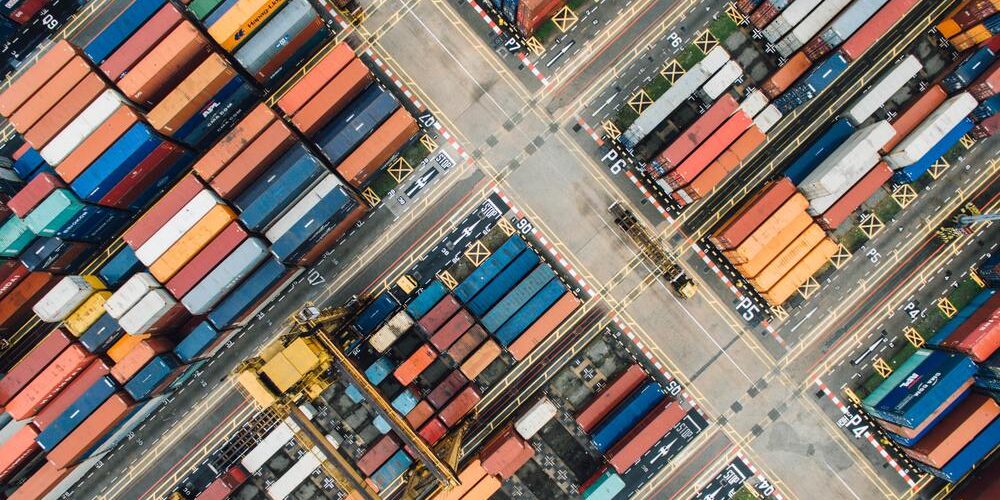
Tuttavia, maggior parte di questi rifiuti è stata esportata illegalmente, spesso nascondendo i rifiuti all’interno di container, violando apertamente il diritto internazionale.

L’esportazione di rifiuti, illegale e non, risulta essere però un’occasione persa per l’Europa: all’interno dei rifiuti sono contenute sostanze preziose che, se recuperate, potrebbero ridurre gli effetti sull’ambiente causati dall’estrazione di nuovi materiali e materie prime.


Redazione Kleanoo
Kleanoo © 2026 — Vietata la riproduzione
Condividi questo articolo
Share on FacebookShare on Facebook Share on XShare on X Share on LinkedInShare on LinkedIn Share on WhatsAppShare on WhatsApp

Leggi anche

bidoni differenziata
Pubblicati i nuovi CAM per i rifiuti urbani
9 August 2022
raccolta carta e cartone
Nuovo record per la raccolta di carta e cartone nel 2021
2 August 2022
trattamento acque reflue
Depurare le acque reflue per produrre idrogeno verde
26 July 2022
digitalizzazione
R.E.N.T.Ri al Waste Management Europe
19 July 2022
silos di acque reflue
Veritas restituisce all’ambiente il 99,6% di acque depurate
14 June 2022
irrigazione in agricoltura
Acque reflue depurate per combattere la siccità
7 June 2022
Ricerca Articoli
Ultime notizie
  • bidoni differenziata
    Pubblicati i nuovi CAM per i rifiuti urbani
    9 August 2022
  • bidoni differenziata
    New MEC for municipal waste
    9 August 2022
  • raccolta carta e cartone
    Nuovo record per la raccolta di carta e cartone nel 2021
    2 August 2022
  • raccolta carta e cartone
    New record for paper and cardboard collection in 2021
    2 August 2022
  • trattamento acque reflue
    Treat wastewater to produce green hydrogen
    26 July 2022
  • trattamento acque reflue
    Treat wastewater to produce green hydrogen
    26 July 2022
  • trattamento acque reflue
    Depurare le acque reflue per produrre idrogeno verde
    26 July 2022
  • trattamento acque reflue
    Treat wastewater to produce green hydrogen
    26 July 2022
  • trattamento acque reflue
    Treat wastewater to produce green hydrogen
    26 July 2022
  • trattamento acque reflue
    Treat wastewater to produce green hydrogen
    26 July 2022

Waste Shipment Regulation: the plan against illegal waste trafficking

You are here:
  1. Home
  2. Environment
  3. Waste Shipment Regulation: the plan…
EnvironmentEULegislationwaste containers

The EU commission has recently elaborated a plan called “Waste Shipment Regulation” containing new rules aimed at limiting the illegal traffic of wastes and dangerous substances, whose value is attested to approximately 9,5 billion euros per year. The aim of the new plan is to encourage the recycling of waste and to ensure that the exported waste is disposed of in accordance with the law.

The plan has become more necessary than ever after the 2020 data, according to which about 50% of the total volume of waste was exported, for a total of 33 million tonnes. However, most of these have been exported to poor countries, where there are no adequate treatment facilities to ensure a good level of safety.

However, the new plan is not considered sufficient: the humanitarian organization European Environmental Bureau claims that the regulation does not complicate the export process, and above all does not guarantee that the precious substances contained in waste are treated and reused within the European Union. According to the organization, companies are still attracted to economic interests, which are the main driver of this sector, as European policy is unable to develop a different and more viable alternative without having to impose additional costs.

Very often, the export of waste corresponds to savings in waste management and disposal operations. According to 2020 data, during the year Turkey received about 14 million tons of “European” waste, India about 3 million tons and the United Kingdom about 2 tons. Other European waste destination countries were Switzerland, Norway, Indonesia and Pakistan.

The most exporting materials, in 2020, were iron and steel, for a total of 17.4 million tons, followed by paper and cardboard with 6.1 million tons and plastic with 2.4 million.

However, most of this waste has been illegally exported, often hiding the waste in containers, in flagrant violation of international law.

The export of waste, whether illegal or not, is, however, a missed opportunity for Europe: it contains valuable substances which, if recovered, could reduce the effects on the environment caused by the extraction of new materials and raw materials.

Kleanoo Editorial Staff
Kleanoo © 2026 — Reproduction prohibited
Condividi questo articolo
Share on FacebookShare on Facebook Share on XShare on X Share on LinkedInShare on LinkedIn Share on WhatsAppShare on WhatsApp

Leggi anche

bidoni differenziata
New MEC for municipal waste
9 August 2022
raccolta carta e cartone
New record for paper and cardboard collection in 2021
2 August 2022
trattamento acque reflue
Treat wastewater to produce green hydrogen
26 July 2022
digitalizzazione
R.E.N.T.Ri at Waste Management Europe
19 July 2022
wastewater containers
Veritas returnes 99.6% of purified water to the environment
14 June 2022
irrigazione in agricoltura
Purified wastewater to fight drought
7 June 2022

Waste Shipment Regulation: the plan against illegal waste trafficking

You are here:
  1. Home
  2. Écologie
  3. Waste Shipment Regulation: the plan…
ÉcologieRèglementsUEcontainers di rifiuti

The EU commission has recently elaborated a plan called “Waste Shipment Regulation” containing new rules aimed at limiting the illegal traffic of wastes and dangerous substances, whose value is attested to approximately 9,5 billion euros per year. The aim of the new plan is to encourage the recycling of waste and to ensure that the exported waste is disposed of in accordance with the law.

The plan has become more necessary than ever after the 2020 data, according to which about 50% of the total volume of waste was exported, for a total of 33 million tonnes. However, most of these have been exported to poor countries, where there are no adequate treatment facilities to ensure a good level of safety.

However, the new plan is not considered sufficient: the humanitarian organization European Environmental Bureau claims that the regulation does not complicate the export process, and above all does not guarantee that the precious substances contained in waste are treated and reused within the European Union. According to the organization, companies are still attracted to economic interests, which are the main driver of this sector, as European policy is unable to develop a different and more viable alternative without having to impose additional costs.

Very often, the export of waste corresponds to savings in waste management and disposal operations. According to 2020 data, during the year Turkey received about 14 million tons of “European” waste, India about 3 million tons and the United Kingdom about 2 tons. Other European waste destination countries were Switzerland, Norway, Indonesia and Pakistan.

The most exporting materials, in 2020, were iron and steel, for a total of 17.4 million tons, followed by paper and cardboard with 6.1 million tons and plastic with 2.4 million.

However, most of this waste has been illegally exported, often hiding the waste in containers, in flagrant violation of international law.

The export of waste, whether illegal or not, is, however, a missed opportunity for Europe: it contains valuable substances which, if recovered, could reduce the effects on the environment caused by the extraction of new materials and raw materials.

Kleanoo Editorial Staff
Kleanoo © 2026 — Reproduction prohibited
Condividi questo articolo
Share on FacebookShare on Facebook Share on XShare on X Share on LinkedInShare on LinkedIn Share on WhatsAppShare on WhatsApp

Leggi anche

trattamento acque reflue
Treat wastewater to produce green hydrogen
26 July 2022
silos di acque reflue
Veritas returnes 99.6% of purified water to the environment
14 June 2022
irrigazione in agricoltura
Purified wastewater to fight drought
7 June 2022
ladurner equipment full electric
Full electric vehicles of Ladurner Equipment in Naples: waste collection changes
24 May 2022
emissioni industriali
Producing energy from waste: first italian zero-emission biorefinery
17 May 2022
asfalto con impronte di scarpe
Modified asphalts: new life for ELT-recycled rubber
10 May 2022

Waste Shipment Regulation: the plan against illegal waste trafficking

You are here:
  1. Home
  2. EU
  3. Waste Shipment Regulation: the plan…
EUÖkologieVorschriftencontainers di rifiuti

The EU commission has recently elaborated a plan called “Waste Shipment Regulation” containing new rules aimed at limiting the illegal traffic of wastes and dangerous substances, whose value is attested to approximately 9,5 billion euros per year. The aim of the new plan is to encourage the recycling of waste and to ensure that the exported waste is disposed of in accordance with the law.

The plan has become more necessary than ever after the 2020 data, according to which about 50% of the total volume of waste was exported, for a total of 33 million tonnes. However, most of these have been exported to poor countries, where there are no adequate treatment facilities to ensure a good level of safety.

However, the new plan is not considered sufficient: the humanitarian organization European Environmental Bureau claims that the regulation does not complicate the export process, and above all does not guarantee that the precious substances contained in waste are treated and reused within the European Union. According to the organization, companies are still attracted to economic interests, which are the main driver of this sector, as European policy is unable to develop a different and more viable alternative without having to impose additional costs.

Very often, the export of waste corresponds to savings in waste management and disposal operations. According to 2020 data, during the year Turkey received about 14 million tons of “European” waste, India about 3 million tons and the United Kingdom about 2 tons. Other European waste destination countries were Switzerland, Norway, Indonesia and Pakistan.

The most exporting materials, in 2020, were iron and steel, for a total of 17.4 million tons, followed by paper and cardboard with 6.1 million tons and plastic with 2.4 million.

However, most of this waste has been illegally exported, often hiding the waste in containers, in flagrant violation of international law.

The export of waste, whether illegal or not, is, however, a missed opportunity for Europe: it contains valuable substances which, if recovered, could reduce the effects on the environment caused by the extraction of new materials and raw materials.

Kleanoo Editorial Staff
Kleanoo © 2026 — Reproduction prohibited
Condividi questo articolo
Share on FacebookShare on Facebook Share on XShare on X Share on LinkedInShare on LinkedIn Share on WhatsAppShare on WhatsApp

Leggi anche

trattamento acque reflue
Treat wastewater to produce green hydrogen
26 July 2022
silos di acque reflue
Veritas returnes 99.6% of purified water to the environment
14 June 2022
irrigazione in agricoltura
Purified wastewater to fight drought
7 June 2022
ladurner equipment full electric
Full electric vehicles of Ladurner Equipment in Naples: waste collection changes
24 May 2022
emissioni industriali
Producing energy from waste: first italian zero-emission biorefinery
17 May 2022
asfalto con impronte di scarpe
Modified asphalts: new life for ELT-recycled rubber
10 May 2022

Waste Shipment Regulation: the plan against illegal waste trafficking

You are here:
  1. Home
  2. Legislação
  3. Waste Shipment Regulation: the plan…
LegislaçãoMeio Ambiente/SustentabilidadeUEcontainers di rifiuti

The EU commission has recently elaborated a plan called “Waste Shipment Regulation” containing new rules aimed at limiting the illegal traffic of wastes and dangerous substances, whose value is attested to approximately 9,5 billion euros per year. The aim of the new plan is to encourage the recycling of waste and to ensure that the exported waste is disposed of in accordance with the law.

The plan has become more necessary than ever after the 2020 data, according to which about 50% of the total volume of waste was exported, for a total of 33 million tonnes. However, most of these have been exported to poor countries, where there are no adequate treatment facilities to ensure a good level of safety.

However, the new plan is not considered sufficient: the humanitarian organization European Environmental Bureau claims that the regulation does not complicate the export process, and above all does not guarantee that the precious substances contained in waste are treated and reused within the European Union. According to the organization, companies are still attracted to economic interests, which are the main driver of this sector, as European policy is unable to develop a different and more viable alternative without having to impose additional costs.

Very often, the export of waste corresponds to savings in waste management and disposal operations. According to 2020 data, during the year Turkey received about 14 million tons of “European” waste, India about 3 million tons and the United Kingdom about 2 tons. Other European waste destination countries were Switzerland, Norway, Indonesia and Pakistan.

The most exporting materials, in 2020, were iron and steel, for a total of 17.4 million tons, followed by paper and cardboard with 6.1 million tons and plastic with 2.4 million.

However, most of this waste has been illegally exported, often hiding the waste in containers, in flagrant violation of international law.

The export of waste, whether illegal or not, is, however, a missed opportunity for Europe: it contains valuable substances which, if recovered, could reduce the effects on the environment caused by the extraction of new materials and raw materials.

Kleanoo Editorial Staff
Kleanoo © 2026 — Reproduction prohibited
Condividi questo articolo
Share on FacebookShare on Facebook Share on XShare on X Share on LinkedInShare on LinkedIn Share on WhatsAppShare on WhatsApp

Leggi anche

trattamento acque reflue
Treat wastewater to produce green hydrogen
26 July 2022
silos di acque reflue
Veritas returnes 99.6% of purified water to the environment
14 June 2022
irrigazione in agricoltura
Purified wastewater to fight drought
7 June 2022
ladurner equipment full electric
Full electric vehicles of Ladurner Equipment in Naples: waste collection changes
24 May 2022
emissioni industriali
Producing energy from waste: first italian zero-emission biorefinery
17 May 2022
asfalto con impronte di scarpe
Modified asphalts: new life for ELT-recycled rubber
10 May 2022

Waste Shipment Regulation: the plan against illegal waste trafficking

You are here:
  1. Home
  2. Ecología
  3. Waste Shipment Regulation: the plan…
EcologíaNormasUEcontainers di rifiuti

The EU commission has recently elaborated a plan called “Waste Shipment Regulation” containing new rules aimed at limiting the illegal traffic of wastes and dangerous substances, whose value is attested to approximately 9,5 billion euros per year. The aim of the new plan is to encourage the recycling of waste and to ensure that the exported waste is disposed of in accordance with the law.

The plan has become more necessary than ever after the 2020 data, according to which about 50% of the total volume of waste was exported, for a total of 33 million tonnes. However, most of these have been exported to poor countries, where there are no adequate treatment facilities to ensure a good level of safety.

However, the new plan is not considered sufficient: the humanitarian organization European Environmental Bureau claims that the regulation does not complicate the export process, and above all does not guarantee that the precious substances contained in waste are treated and reused within the European Union. According to the organization, companies are still attracted to economic interests, which are the main driver of this sector, as European policy is unable to develop a different and more viable alternative without having to impose additional costs.

Very often, the export of waste corresponds to savings in waste management and disposal operations. According to 2020 data, during the year Turkey received about 14 million tons of “European” waste, India about 3 million tons and the United Kingdom about 2 tons. Other European waste destination countries were Switzerland, Norway, Indonesia and Pakistan.

The most exporting materials, in 2020, were iron and steel, for a total of 17.4 million tons, followed by paper and cardboard with 6.1 million tons and plastic with 2.4 million.

However, most of this waste has been illegally exported, often hiding the waste in containers, in flagrant violation of international law.

The export of waste, whether illegal or not, is, however, a missed opportunity for Europe: it contains valuable substances which, if recovered, could reduce the effects on the environment caused by the extraction of new materials and raw materials.

Kleanoo Editorial Staff
Kleanoo © 2026 — Reproduction prohibited
Condividi questo articolo
Share on FacebookShare on Facebook Share on XShare on X Share on LinkedInShare on LinkedIn Share on WhatsAppShare on WhatsApp

Leggi anche

trattamento acque reflue
Treat wastewater to produce green hydrogen
26 July 2022
silos di acque reflue
Veritas returnes 99.6% of purified water to the environment
14 June 2022
irrigazione in agricoltura
Purified wastewater to fight drought
7 June 2022
ladurner equipment full electric
Full electric vehicles of Ladurner Equipment in Naples: waste collection changes
24 May 2022
emissioni industriali
Producing energy from waste: first italian zero-emission biorefinery
17 May 2022
asfalto con impronte di scarpe
Modified asphalts: new life for ELT-recycled rubber
10 May 2022
Informazioni di Contatto
Utilizza i recapiti sottostanti per poterti mettere in contatto con un membro del nostro team. In alternativa puoi compilare il form per inviarci un messaggio.
  • Indirizzo
    Via Marco Beato Ongaro 11
    31015 Conegliano (TV)
  • Telefono
    +39 353 439 9515
    +39 0438 1963696
  • E-mail
    info@kleanoo.com

    Kleanoo
    Kleanoo © 2026
    Kleanoo è un marchio registrato di Vakoom Srl
    Partita IVA: IT 03945270266
    Site design by ADMP
    • Privacy Policy
    • Cookie Policy
    Menu Footer

    Go to Top